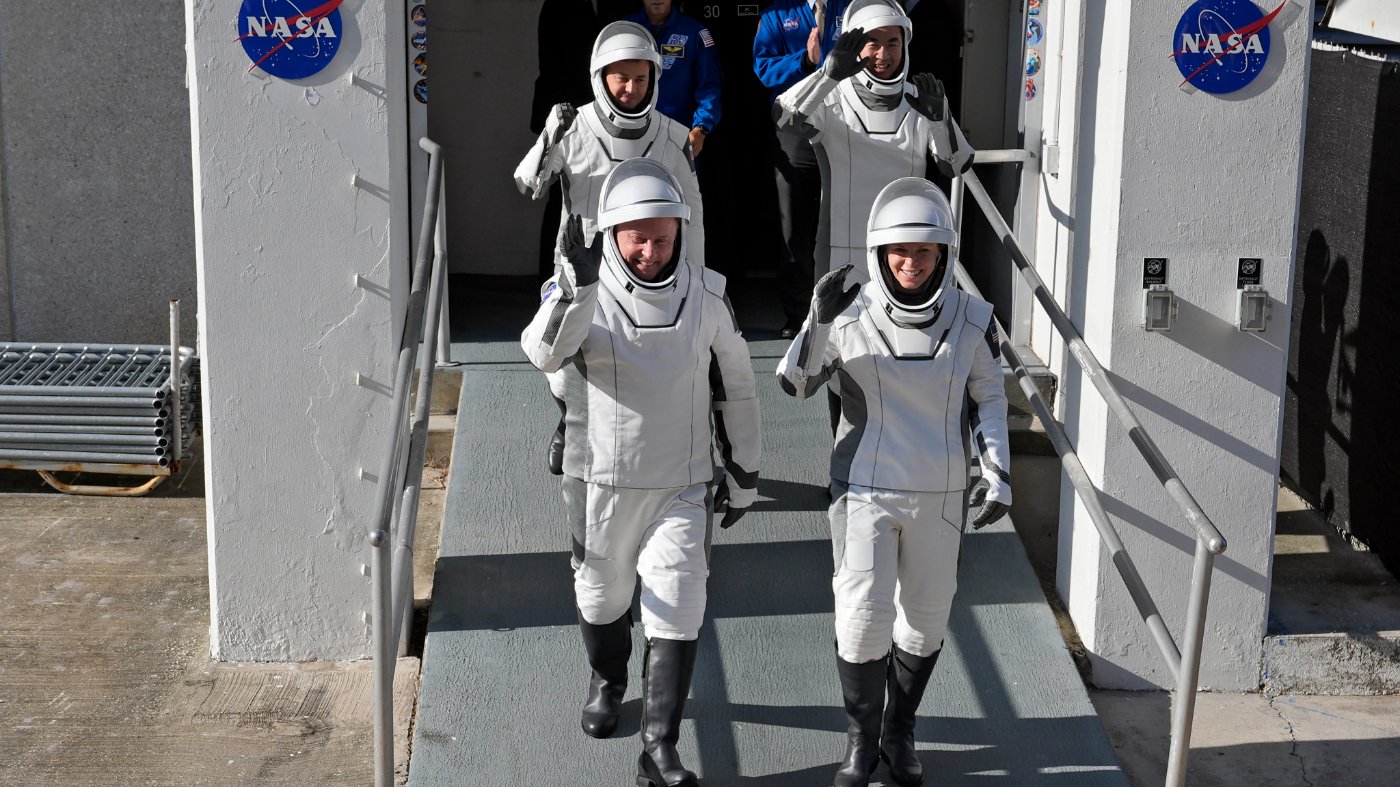
If you rode the wave of SpaceX's historic initial public offering to a tidy profit, you might want to send a thank-you note to NASA. The company's ascent to a trillion-dollar valuation isn't just a testament to Elon Musk's audacity—it's a case study in smart public policy.
SpaceX's trajectory can be traced directly to a controversial 2004 decision by NASA to pivot away from the space shuttle program and toward commercial launch providers for cargo and crew missions to the International Space Station. That shift opened the door for SpaceX to compete in building next-generation rocket systems, eventually producing the Falcon 9. That rocket slashed launch costs and increased frequency, serving not just NASA but also the Department of Defense and a growing roster of commercial clients.
Lower launch costs have spurred a vibrant U.S. commercial space sector, from low-Earth orbit satellites delivering internet to rural areas to remote sensing systems aiding Ukraine's defense against Russian aggression. Yet SpaceX's dominance raises concerns—its near-monopoly in satellite broadband and launch markets, and Musk's ties to Donald Trump have sparked questions about preferential treatment. Still, the company's success is undeniable.
But NASA appears to have lost the recipe that made SpaceX's Falcon 9 possible. The formula was simple: the agency provided initial seed funding—$396 million in milestone payments as SpaceX cleared technical hurdles—along with clear signals about how many missions it would buy, and minimal engineering requirements. This allowed SpaceX to attract private investors based on projected revenue while retaining room for innovation.
More recent programs have stumbled by piling on too many requirements or failing to clarify future purchasing plans. NASA's push for commercial space stations, announced in 2018, has gone off the rails. The agency proposed two major overhauls since 2025, one of which would have fundamentally altered how new stations operate, assuming companies could quickly rewrite engineering plans. While NASA has since backtracked, companies still lack a clear picture of the quantity of services NASA intends to buy or the engineering standards it expects, making it tough to secure private investment.
As the debate over government spending intensifies—with states like Pennsylvania boycotting events linked to Trump and Vermont banning paraquat over health concerns—the lesson for NASA is clear: stick with what works. A return to the playbook that launched SpaceX could unlock more innovation, even if it doesn't produce another trillion-dollar company. It would give the nation's space enterprise its best shot at success.