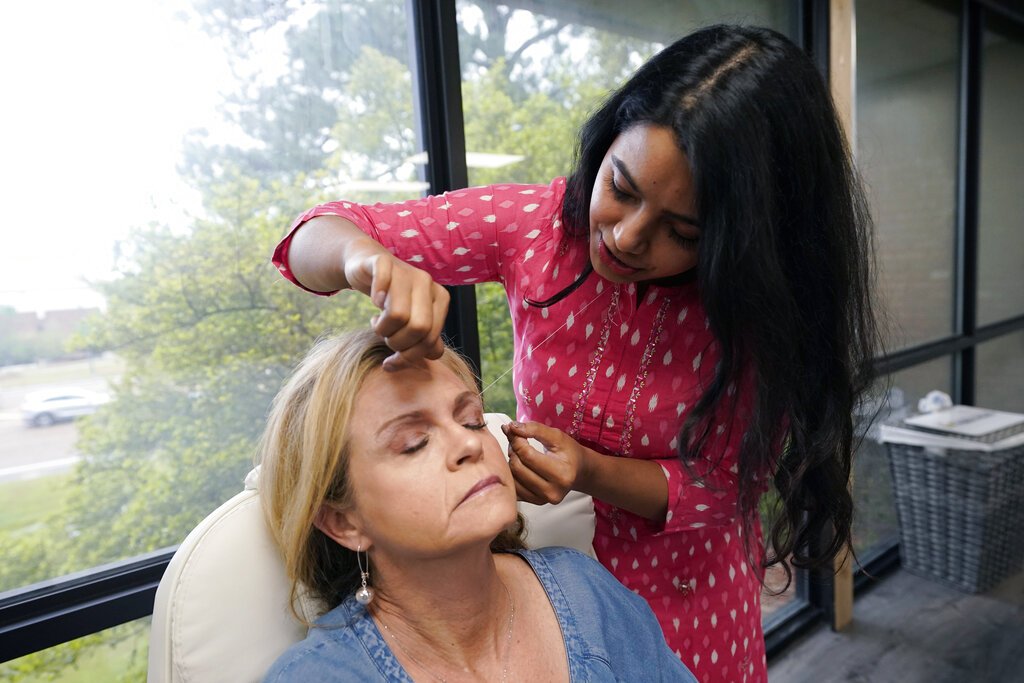
The U.S. Department of Education has granted barbering, cosmetology, and massage-therapy programs an extended timeline to meet its new accountability rule, a move that recognizes the tip-heavy, self-employed nature of these professions. The decision, finalized last month, delays the earnings test that would otherwise tie federal student aid eligibility to graduates' income relative to a typical high school graduate.
For small business owners on Main Street, the reprieve is a significant win. Bailey Pennington, a licensed cosmetologist and stylist in Michigan who owns her own business, argues the original rule misreads how these careers work. New stylists often start part-time, build a client base gradually, and rely on tips that federal data historically excluded. Pennington notes that in her first year out of school, she earned nearly six figures doing work she loves, allowing her to take unpaid maternity leave while covering her chair rental and bills.
Why the Delay Matters
The accountability rule was designed to protect students from programs that leave them with high debt and low earnings. But industry advocates say cosmetology and barbering programs are fundamentally different. They are short, low-debt pathways to state licensure that put graduates into paying work within months. In Michigan, becoming a cosmetologist requires over a thousand hours of training in chemical mixing, blade handling, sanitation, and business management.
The Department of Education's decision aligns with broader federal recognition of these trades. This spring, the Treasury and IRS finalized rules protecting tips from taxation, acknowledging hairstylists and other personal-care workers as essential. The delay gives time for a more accurate earnings measure that accounts for tips, self-employment, and part-time starts.
What Comes Next
Pennington and industry groups like the American Association of Career Schools are calling for a durable solution that judges programs by graduation, licensure, and job-placement rates rather than a one-size-fits-all earnings test. The delay opens a window for the Education Department, Congress, and industry leaders to craft standards that reflect the reality of these fields.
The Bureau of Labor Statistics expects continued growth in personal-care occupations, and the sector remains a vital source of first-generation entrepreneurship, particularly for women. As Pennington puts it, there is far more behind the chair than meets the eye: years of training, real businesses, and communities built one client at a time.
Washington has taken an important step for the people who keep Main Street running. Now the work begins to get the rest right.