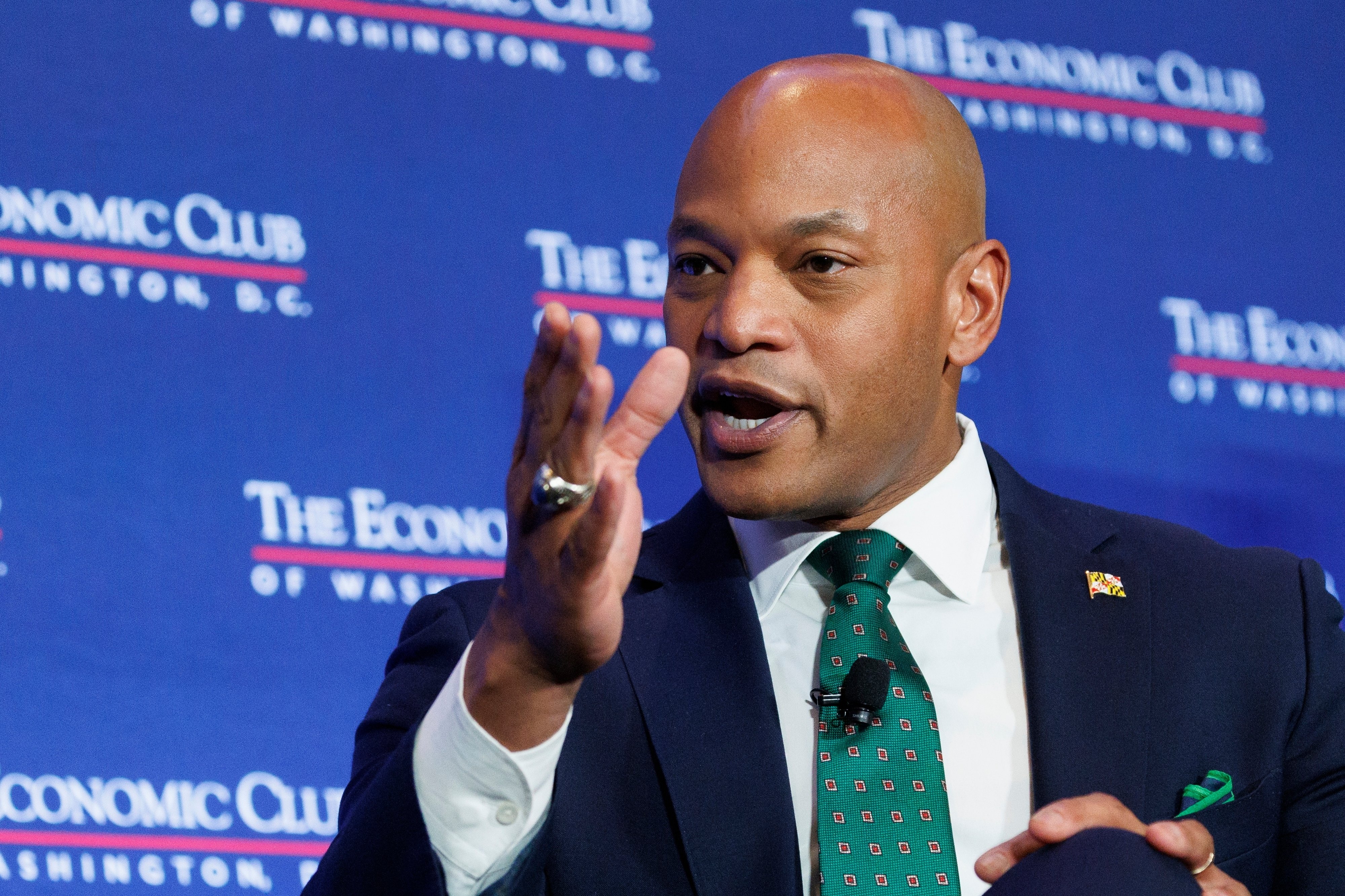
Maryland state lawmakers are set to return to Annapolis in August for a three-day special session focused on a proposed constitutional amendment that would reshape how congressional districts are drawn. The move, announced Tuesday by Senate President Bill Ferguson and House Speaker Joseline Peña-Melnyk, both Democrats, has the backing of Governor Wes Moore.
The session, scheduled for August 3-5, will consider legislation that would place a redistricting amendment before voters in November. If three-fifths of both chambers approve, the measure would appear on the ballot as a constitutional clarification. The leaders did not release the amendment's exact language but said it aims to address a state judge's ruling that struck down a previous Democratic-drawn map in 2022.
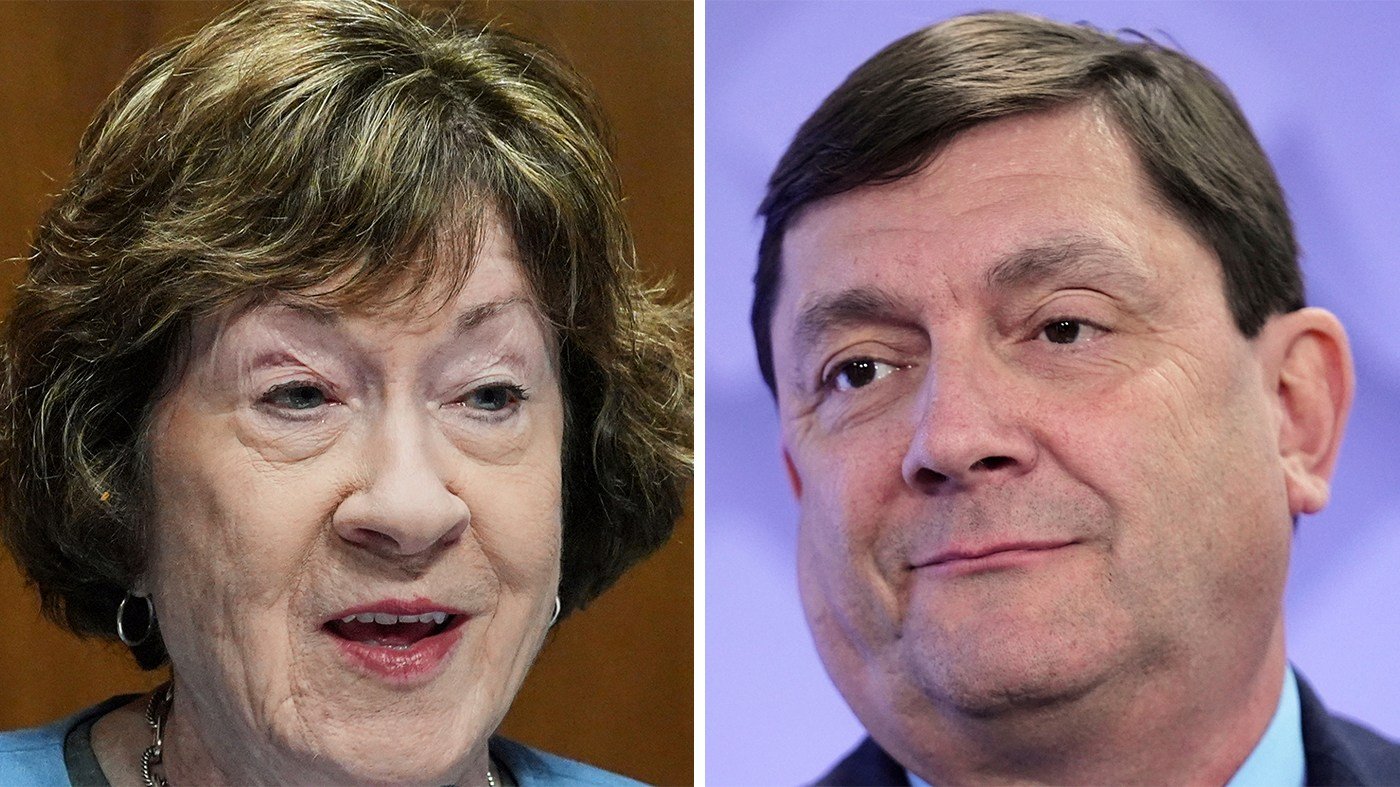
That earlier map was seen as an attempt to unseat Representative Andy Harris, the sole Republican in Maryland's eight-member House delegation, by 2028. Harris, who chairs the conservative House Freedom Caucus, has represented the Eastern Shore-based 1st District since 2011.
Ferguson, who faced criticism from Moore for his earlier resistance to redistricting reform, said the Supreme Court's April decision weakening a key part of the Voting Rights Act made it urgent for Maryland to establish a "clear legal path forward." He added: "This special session will allow the General Assembly to do its part while ensuring that Maryland voters make the final decision."
Peña-Melnyk, who became speaker in December, emphasized the need for a "durable, transparent constitutional framework for congressional redistricting that reflects the evolving legal landscape."
If Maryland redraws its maps, it would join ten other states that have done so since last summer. Texas led the way, with Republicans there—at the urging of President Trump—redrawing districts to give the GOP a chance at gaining five seats in the midterms.
Moore, who formed an advisory commission on redistricting last November, said his administration "will work closely" with the legislature. "For months, I have said that inaction is not an option and we cannot sit on the sidelines while voting rights, fair representation, and the foundations of our democracy come under attack across the country," the governor said in a statement. "Until we have national redistricting reform, Maryland will not be caught flat-footed."
Senate Minority Leader Steve Hershey, a Republican, accused Democrats of trying to "silence the last dissenting voice" in Maryland's delegation. "Marylanders are watching their bills go up and their options go down, and his response is to spend political capital on a Washington power play," Hershey told Maryland Matters. "That is not leadership. That is an abdication of it."
The special session comes amid a broader national debate over redistricting and voting rights. For more on how state-level battles are shaping up, see our analysis of five battleground governor races that could redraw state power maps. Meanwhile, the Supreme Court ruling on women's sports leaves gaps for states like California, highlighting the patchwork of legal interpretations across the country.