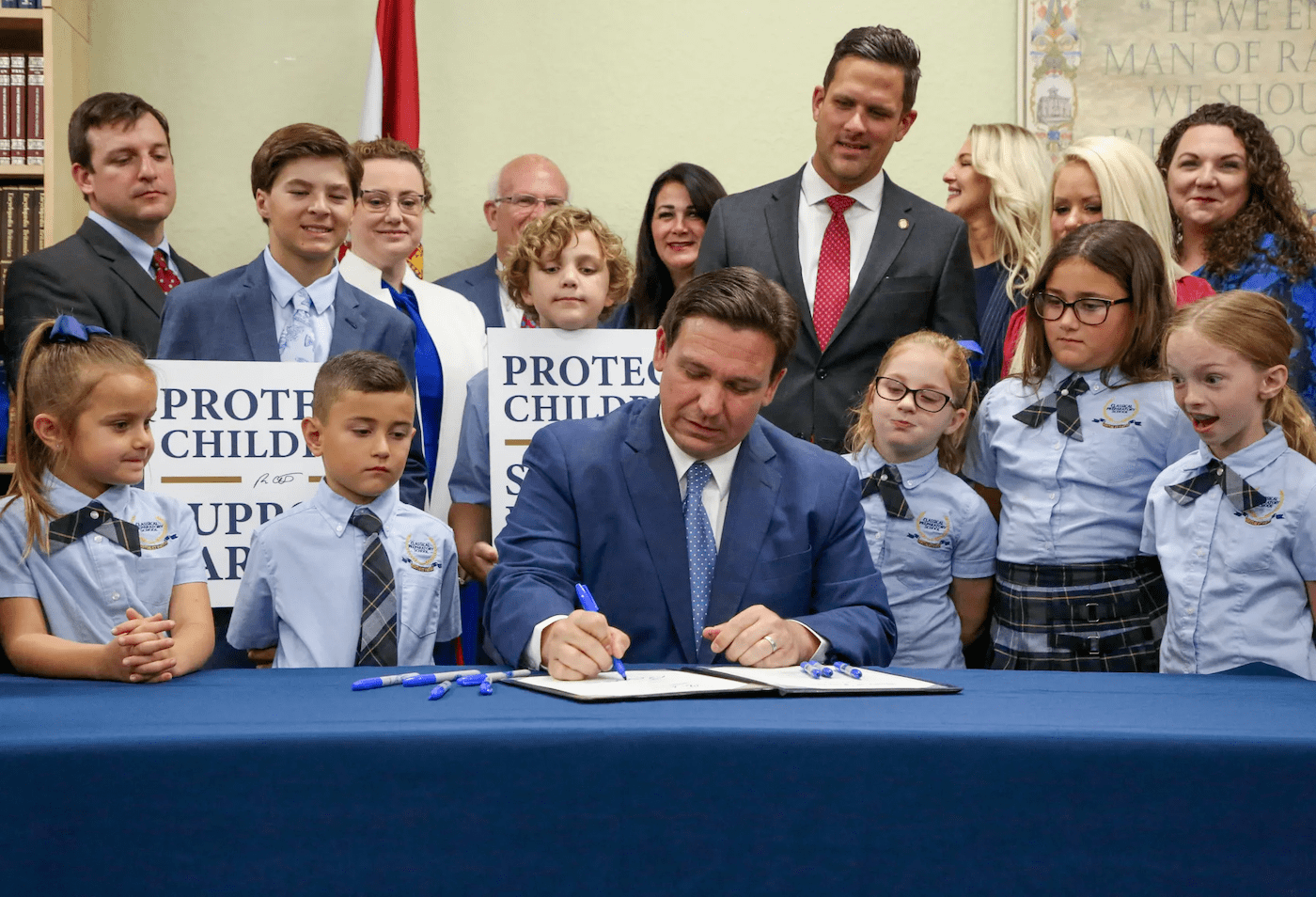
A sharply divided federal appeals court has struck down a core piece of Florida’s controversial law limiting how race and gender are discussed at public universities, calling it a “breathtaking assertion of power” that tramples on First Amendment rights. The ruling, issued Tuesday by the U.S. Court of Appeals for the 11th Circuit, deals a significant blow to the state’s Stop Wrongs Against Our Kids and Employees Act (Stop WOKE Act), signed into law by Governor Ron DeSantis in 2022.
The 2-1 decision focuses on the law’s provisions affecting the state’s public colleges and universities, which had banned faculty from promoting certain concepts about systemic racism, sexism, and privilege. The panel found that the law’s restrictions on classroom speech go too far, effectively imposing the state’s preferred viewpoint on educators—a violation of academic freedom and free expression.
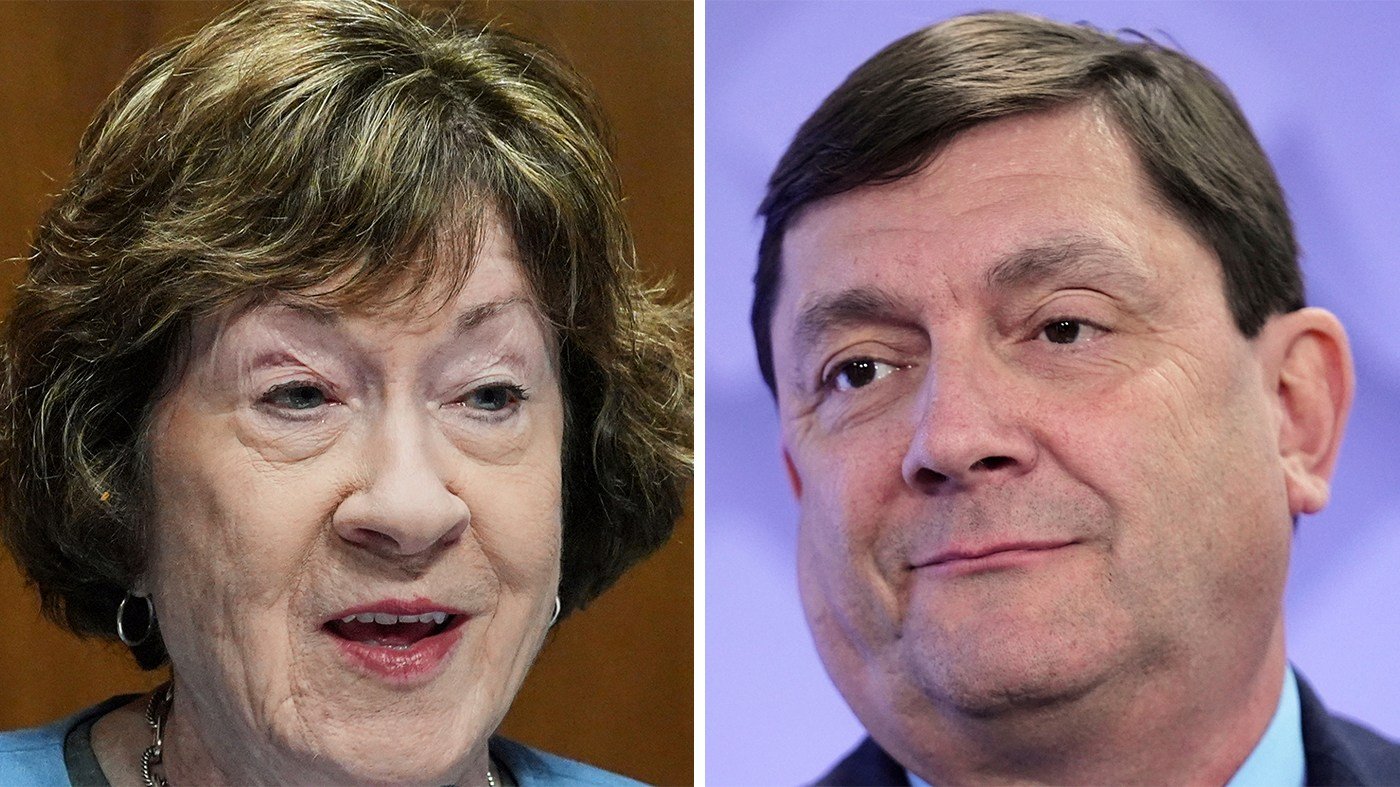
Circuit Judge Britt Grant, appointed by former President Donald Trump, wrote for the majority that the law “runs headlong into the Supreme Court’s repeated, if imprecise, endorsements of academic freedom.” She added: “If the First Amendment offers any boundary of protection at all for public university classrooms, this statute crosses it.” Grant was joined by Judge Charles R. Wilson, a Clinton appointee, while Judge Barbara Lagoa, also a Trump appointee, dissented.
Lagoa argued that the majority’s reasoning itself represented a form of viewpoint discrimination, and that the state has legitimate authority to set curriculum boundaries. “Of course, some amount of viewpoint discrimination is necessary to ensure the effective operation of any academic institution,” she wrote. Florida Attorney General James Uthmeier praised Lagoa’s dissent, calling her “may be the best jurist in our country” in a post on X.
The ruling is the latest chapter in a legal battle that began in 2022, when the Foundation for Individual Rights and Expression (FIRE) sued over the law’s impact on college campuses. The ACLU, ACLU of Florida, and Legal Defense Fund also joined the challenge. FIRE senior attorney Greg H. Greubel hailed the decision as a critical win for academic freedom, saying in a statement: “Today’s important decision means that college remains a place where professors and students are allowed to debate controversial topics — even if politicians disagree with them.” Greubel added: “Governments cannot censor their way to freedom.”
The ruling’s implications extend beyond Florida, as similar efforts to restrict classroom discussions on race and gender have emerged in other Republican-led states. Legal experts note that the decision may influence litigation over comparable laws, particularly given the Supreme Court’s recent signals on academic freedom. Meanwhile, the same court’s recent ruling allowing unlimited party spending underscores the judiciary’s evolving stance on free speech and government power.
The Stop WOKE Act also applied to K-12 schools and private workplaces, but Tuesday’s ruling only addresses the higher education provisions. The state could appeal the decision to the full 11th Circuit or to the Supreme Court. Critics of the law, including civil liberties groups, argue that the law was a political move by DeSantis to appeal to conservative voters ahead of his presidential campaign. The ruling arrives amid ongoing debates over how to teach sensitive topics in schools, with some lawmakers pushing for clearer federal guidelines, as seen in recent calls for legislative clarity on immigration status.
For now, the decision restores the ability of Florida’s public university professors to teach about race and gender without fear of state-imposed restrictions, at least until further appeals are resolved. The case highlights the tension between state efforts to regulate classroom content and the constitutional protections for academic inquiry—a conflict that is unlikely to fade soon.