The United States military launched a fresh wave of strikes against Iran on Wednesday, intensifying its campaign to cripple Tehran’s capacity to interfere with commercial shipping in the strategic Strait of Hormuz. The operation came just hours after President Donald Trump warned he would unleash a “big attack” on the country, escalating a crisis that had briefly eased with a mid-June ceasefire agreement.
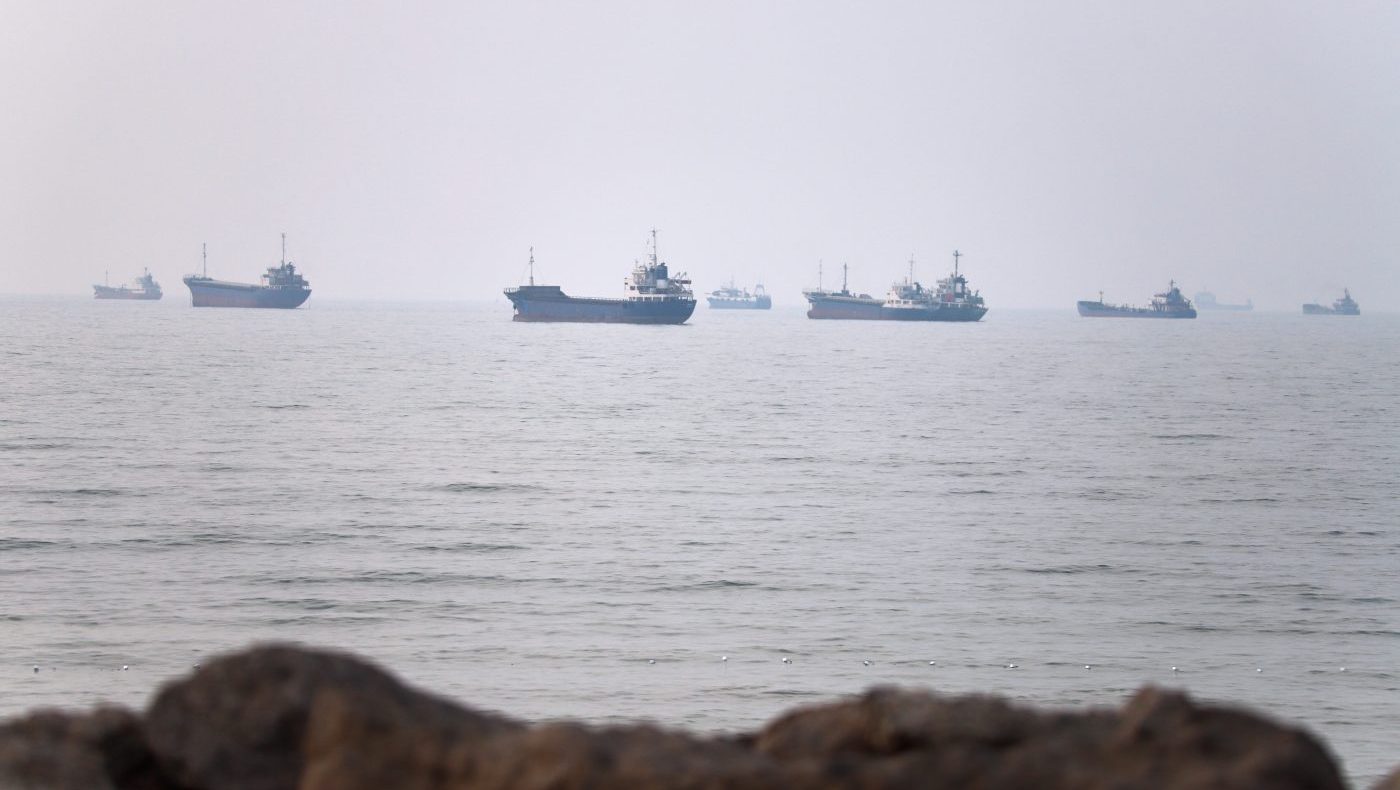
U.S. Central Command (Centcom) confirmed the strikes in a statement issued shortly after 4 p.m. EDT, saying they were conducted “at the direction of the Commander in Chief” to further degrade Iran’s ability to threaten freedom of navigation in the vital waterway. “The United States is holding Iran accountable for recent unjustified aggression against commercial shipping and civilian crews,” the statement read.

Trump previewed the action earlier in the day during the NATO summit, telling reporters, “I’ll give them a little warning: We’re going to hit them hard tonight, but we’ll see how it all works out.” He expressed dissatisfaction with Iran’s leadership and floated the possibility of reinstating a naval blockade that had been lifted after the two sides signed a memorandum of understanding (MOU) in June. Trump, visibly angered by Iranian attacks on commercial vessels, declared the MOU “over,” adding, “I don’t want to deal with them anymore. They’re scum,” and called negotiations a waste of time.
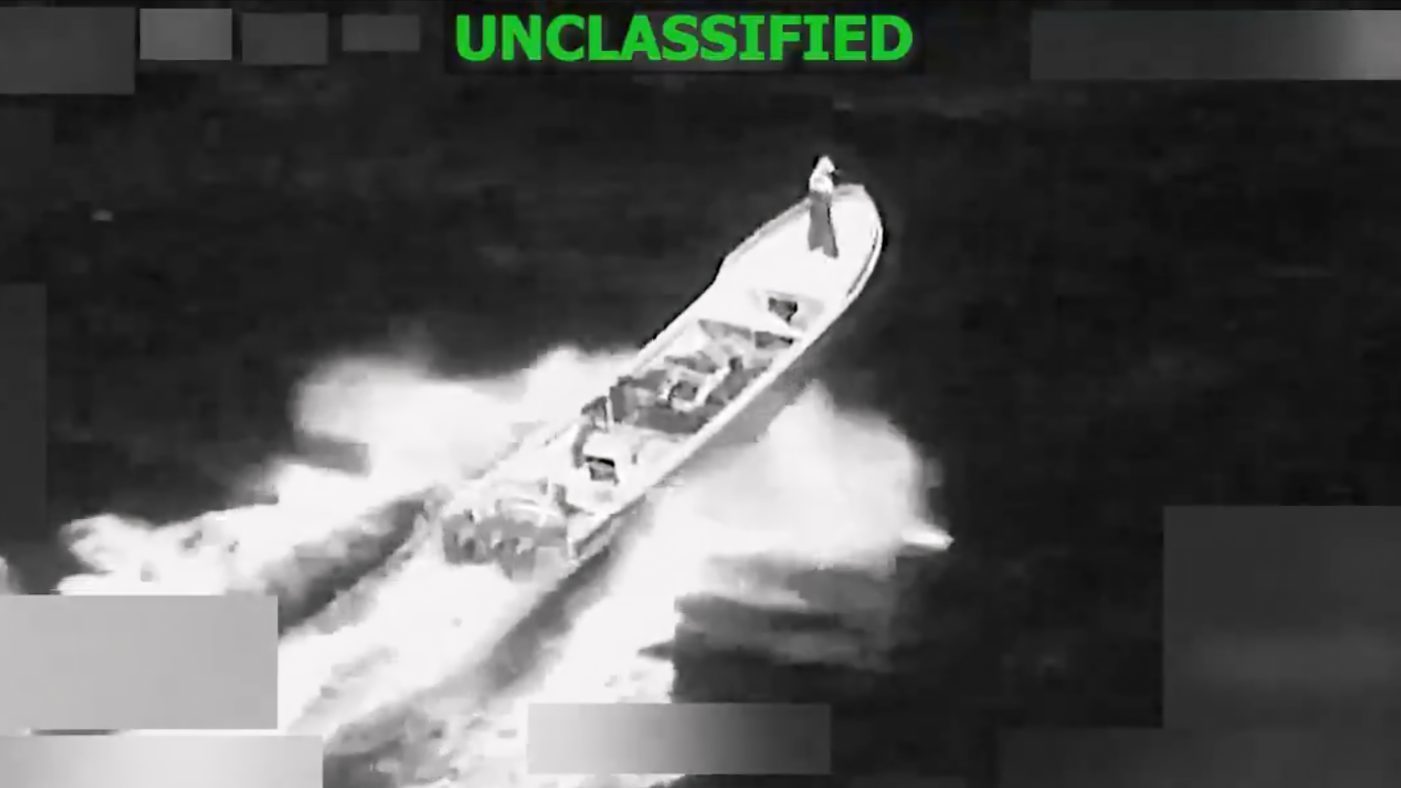
Defense Secretary Pete Hegseth echoed the president’s bellicose tone, stating the Pentagon would strike Iran “even more and even deeper” if Trump gives the green light. The new round of strikes follows a massive U.S. barrage Tuesday evening in retaliation for Tehran targeting three commercial ships in the Strait of Hormuz in recent days. In that operation, U.S. forces hit more than 80 targets, including air defense systems, command and control networks, coastal radar sites, anti-ship missile capabilities, and over 60 Islamic Revolutionary Guard Corps small boats inside and near the strait, through which roughly 20 percent of the world’s oil and gas transit. The barrage lasted about four hours, according to Centcom.
Iran retaliated overnight Tuesday by launching drones and missiles at Bahrain and Kuwait, both countries hosting U.S. military assets and personnel. A U.S. military official, speaking on condition of anonymity, told The Hill that no American service members were injured, as the projectiles were intercepted or caused no “major damage.”
The collapse of the ceasefire comes amid broader tensions over U.S. policy in the region. Trump’s rhetoric has sharpened, with recent comments signaling a shift from containment to targeting Iran’s regime directly. The president has also signaled an end to containment, labeling Iran a “cancer” that must be confronted. Meanwhile, Senate Minority Leader Chuck Schumer has slammed the breakdown of the Iran peace effort as a “total, utter disaster,” criticizing the administration’s handling of the crisis.
The renewed strikes also come as Trump has been joking about assassination threats from Iran, adding a personal dimension to the confrontation. With the MOU now scrapped and military operations expanding, the path forward appears increasingly volatile, as both sides brace for further escalation in the Gulf.