Oil prices surged this week after President Trump unilaterally terminated the U.S.-Iran ceasefire, launching retaliatory strikes against Iranian naval assets in the Strait of Hormuz. The quick unraveling of the truce has injected fresh volatility into global energy markets and raised the specter of a renewed supply crunch.
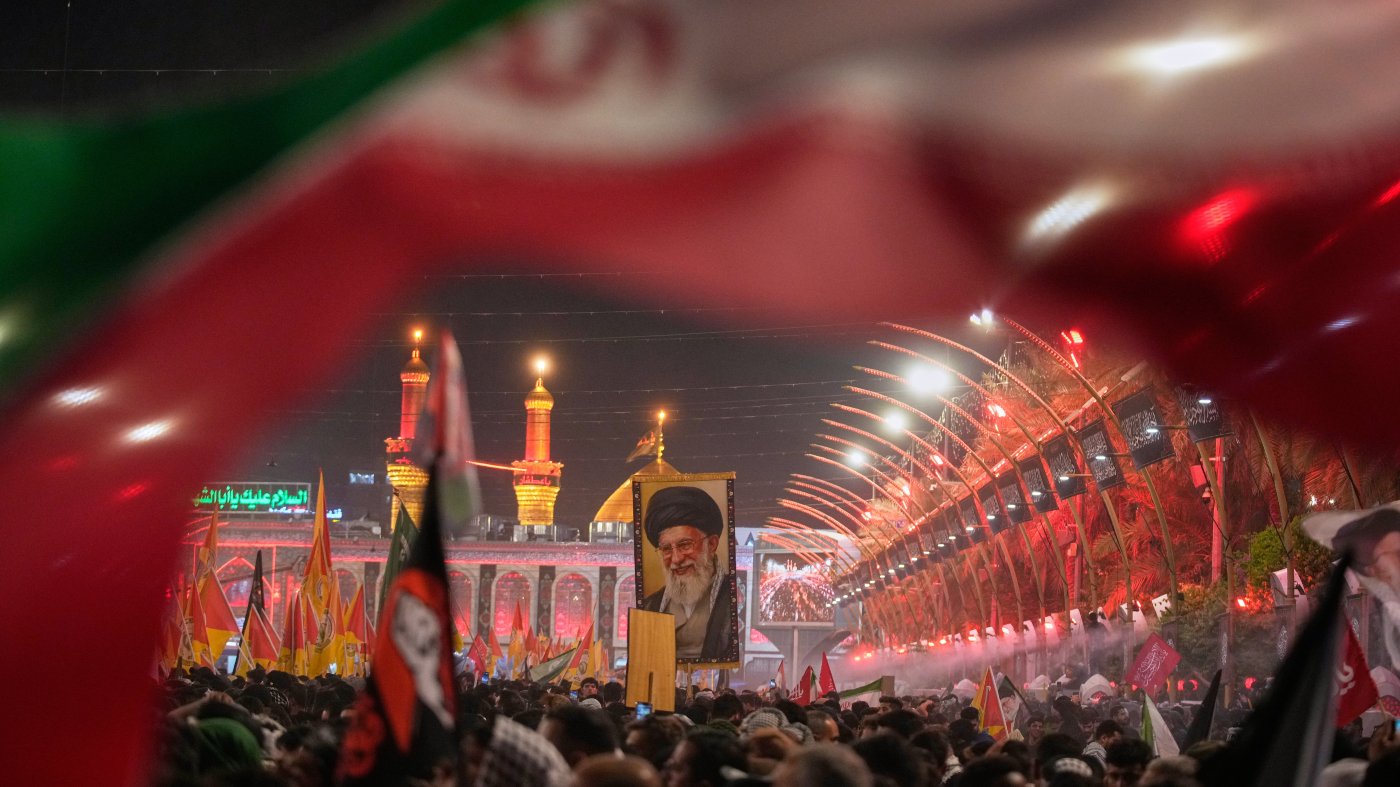
Speaking at the NATO summit in Turkey, Trump declared the ceasefire that had ended months of conflict was “over,” calling further negotiations with Tehran a “waste of time.” Hours earlier, the Pentagon announced it had struck Iranian boats in response to attacks on three commercial vessels transiting the strategic chokepoint.
By Wednesday evening, U.S. benchmark West Texas Intermediate crude had climbed to roughly $75 per barrel, while international benchmark Brent Crude traded near $79—up from around $69 and $72, respectively, at the start of the week. Although those levels remain well below the war-era peaks of nearly $120 per barrel, the trajectory has traders on edge.
“The market is pricing in a slightly increased chance of problems in exporting oil,” said Robert Weiner, a professor of international business at George Washington University. Still, he cautioned that “if tomorrow or the next day there’s more news that lessens the effects of this, I wouldn’t be surprised.”
Ken Medlock, a fellow in energy and resource economics at Rice University’s Baker Institute, predicted prices would “continue to creep up” over the coming days. But the real driver, he said, will be whether shipments can still pass through the Strait of Hormuz. “We’re seeing a risk premium being priced in,” Medlock noted.
During the conflict, Iran’s closure of the strait caused a severe supply squeeze. The now-defunct ceasefire had reopened the waterway and lifted U.S. sanctions on Iranian oil—a move Trump reversed this week.
Medlock described the latest U.S. strikes as “very targeted” against military assets, not civilian or energy infrastructure. “They’re really designed to allow the U.S. to continue escorting traffic and assure shippers that Iran’s ability to strike ships is severely diminished,” he said. But he warned that if Iran retaliates aggressively and the U.S. expands its bombing campaign, “traffic could shut down and price could go way up.”
Some analysts see Trump’s rhetoric as a bargaining chip rather than a definitive break. “The market has been used to this rhetoric over the past several months,” said Vincent Piazza, Bloomberg Intelligence senior equity analyst. “I see this as more rhetoric in order to gain leverage to get a deal.” Piazza said he remains “optimistic.”
Tom Kloza, chief oil analyst at Gulf Oil, noted that Trump has historically talked down oil prices. “There’s a geopolitical discount because nobody sees safety in being long when the president can say something and send it down $5 in a heartbeat,” he said.
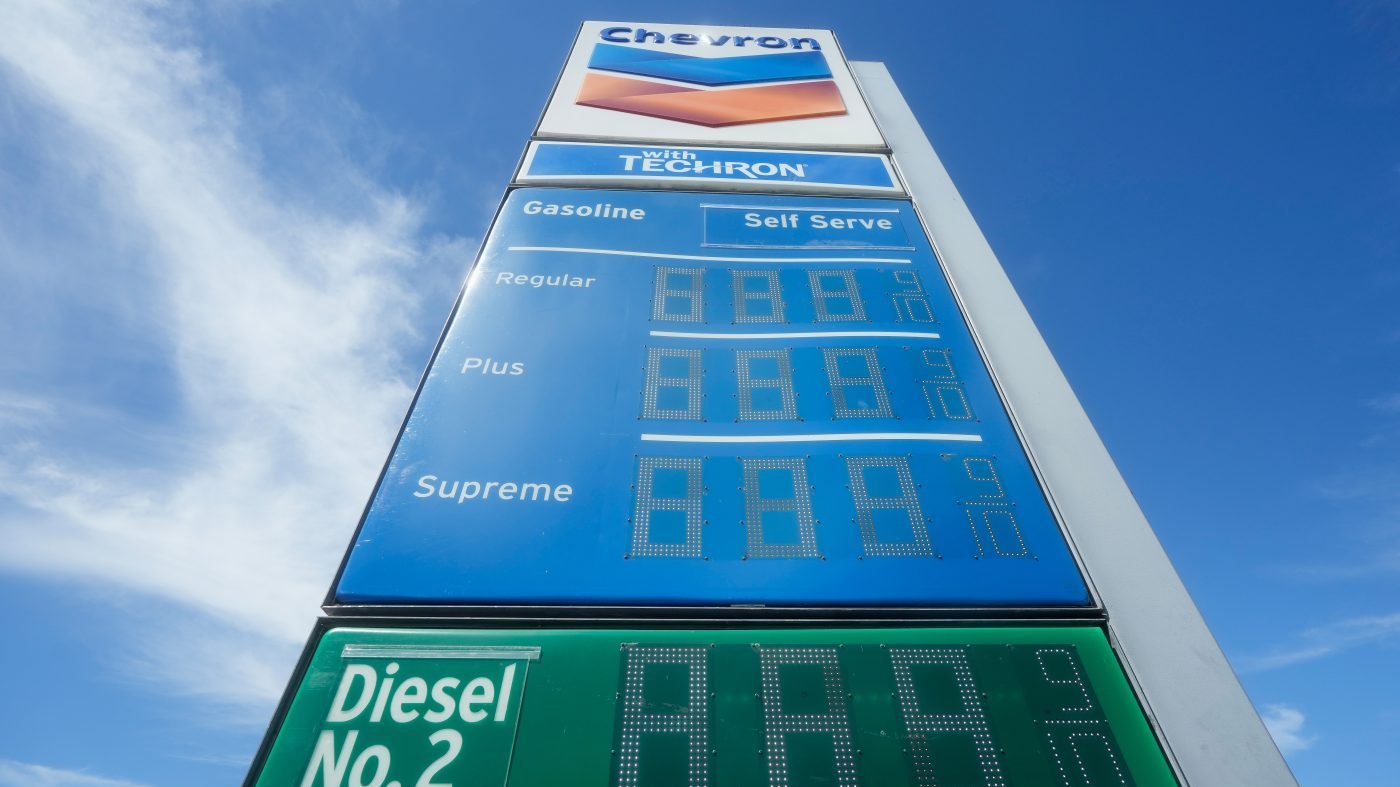
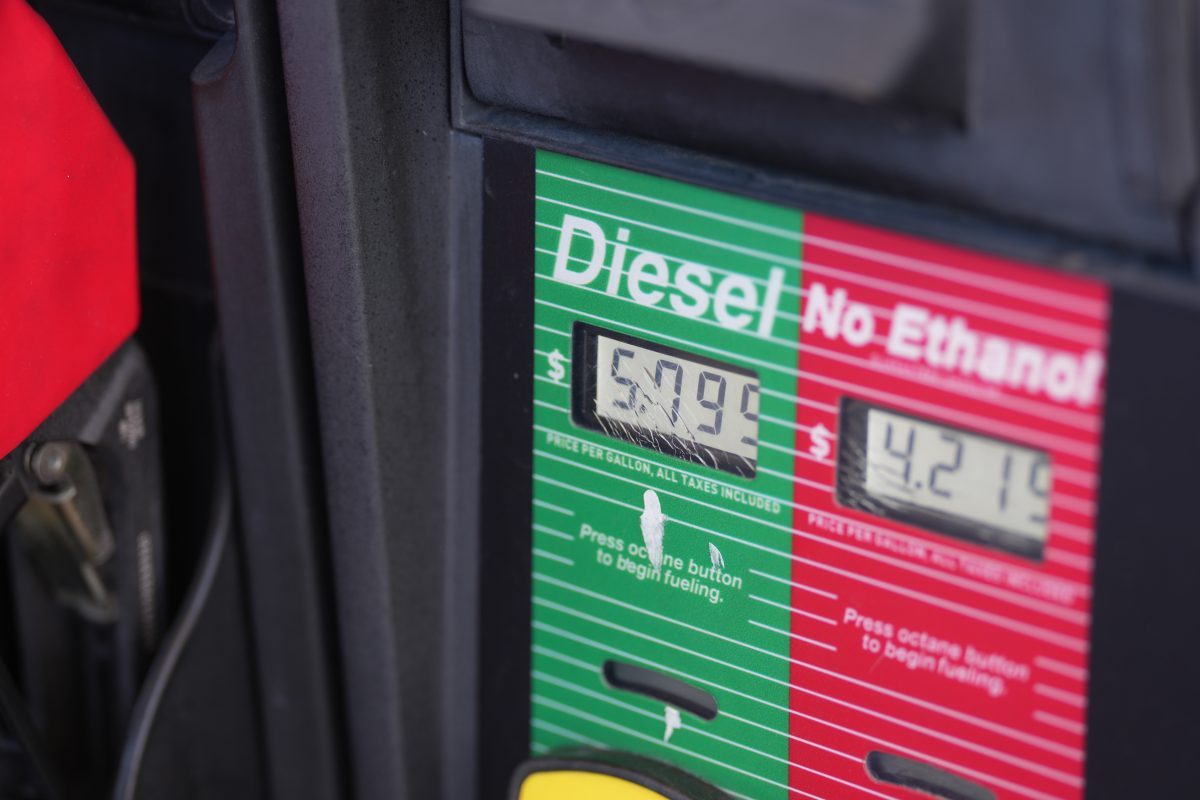
The price at the pump is already beginning to reflect the tension. The national average gasoline price stood at about $3.80 per gallon Wednesday, up nearly a cent from Tuesday. That’s still far below the conflict high of around $4.50 but well above the pre-war average under $3. Kloza expects “modest increases” in gas prices in the near term.
The renewed upward pressure on energy costs could become a political liability for Republicans heading into the midterm elections. “Energy prices have been higher for months now, and now are on the rise again,” said Republican strategist Doug Heye. “All of this makes it tougher for Republicans on the ballot to talk about what voters are saying is most important to them—lowering prices.”
The developments come as a new poll shows 95% of Americans say the nation is in an affordability crisis as war drives costs higher. Meanwhile, OPEC+ nations recently greenlit a modest output hike as oil prices dipped below pre-war levels, a move that may now be overshadowed by the Strait of Hormuz uncertainty.