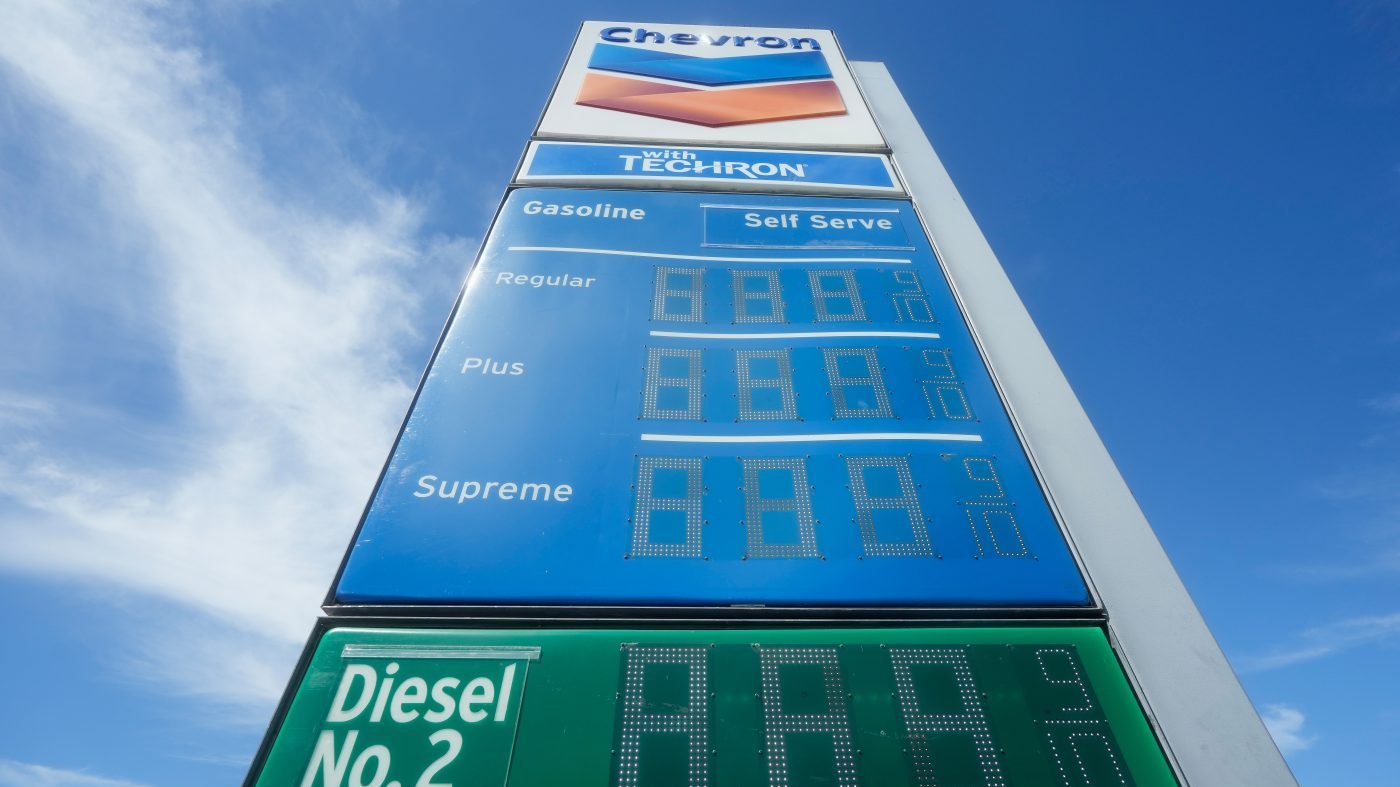
California drivers are still paying the highest gas prices in the country, with some regions topping $6 per gallon. The state's Division of Petroleum Market Oversight recently issued a report pointing fingers at President Trump, Iran, and branded gas stations like Chevron for conspiring to "add to the pain at the pump."
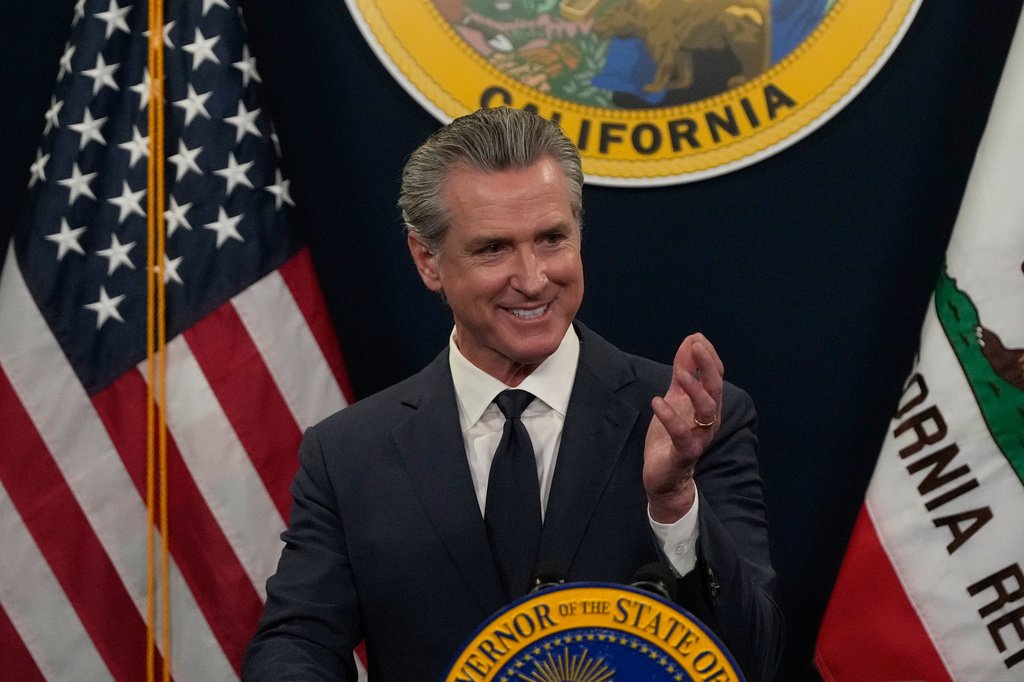
Conspicuously absent from the report is any mention of Gov. Gavin Newsom, the Democrat who has spent years imposing taxes, regulations, and restrictions that have made California one of the most hostile environments for energy production in the nation.
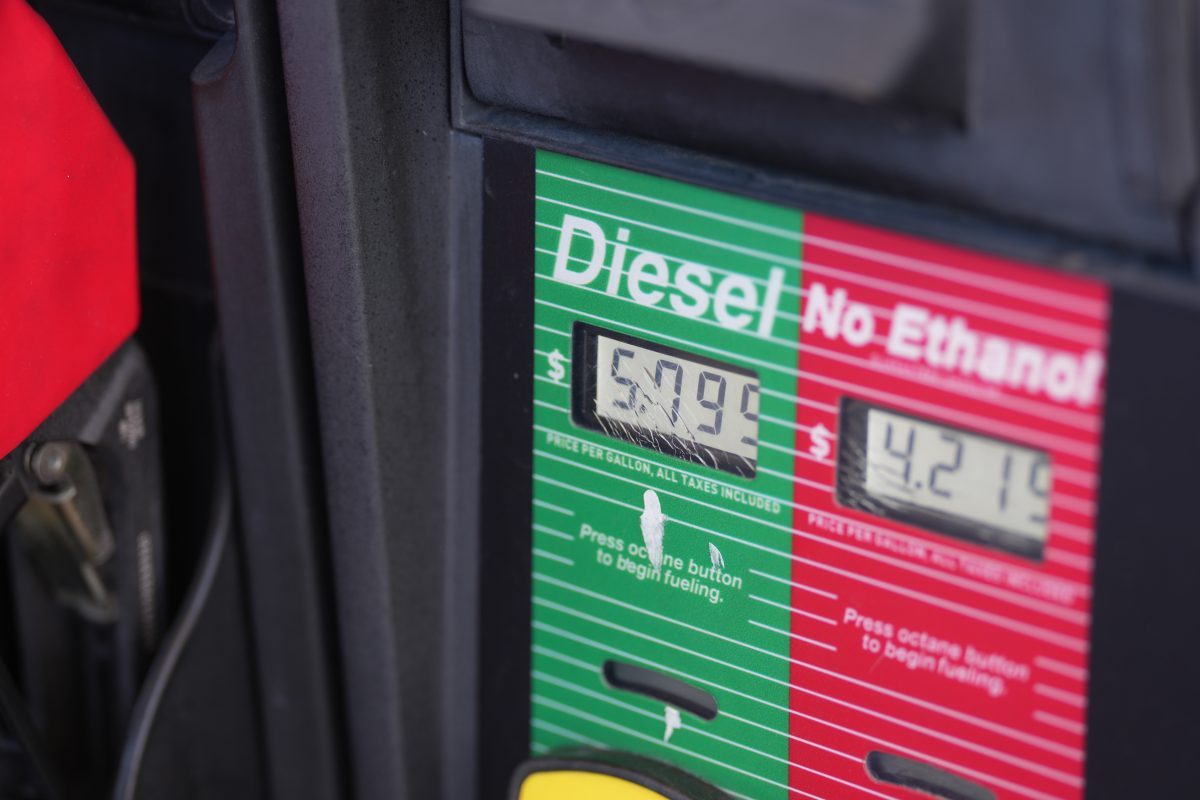
The report sidesteps Newsom's nation-leading gas taxes, which stand at $1.40 per gallon—the highest in the U.S.—and his regulatory onslaught against "Big Oil." California now makes more money from each gallon of gasoline sold than the refiners producing it, before accounting for boutique fuel mandates, cap-and-trade programs, refinery restrictions, and billions in lawsuits against the industry.
Newsom's policies include a 2035 ban on new gas-powered vehicles, strict limits on oil drilling, emissions reduction mandates, extended Cap-and-Trade and Low Carbon Fuel Standard programs through 2045, and a lawsuit seeking billions from oil companies for allegedly misleading consumers on climate change. He also empowered regulators to penalize oil companies for "excessive" profits.
The result: California has lost about 20% of its refining capacity in just a few years. Phillips 66 closed its Los Angeles refinery in 2025, and Valero idled its Benicia facility, eliminating thousands of jobs and reducing in-state fuel production. ExxonMobil exited onshore operations in 2023 after regulatory hurdles blocked offshore restart efforts, ending five decades of production off the Southern California coast.
Because California's unique fuel standards create an isolated "fuel island" that can't easily import gasoline from neighboring states, each refinery closure hits consumers hard. The state, once a top oil producer, now imports 60% of its crude from foreign countries, with about 30% from the Middle East—a vulnerability that Newsom's policies have exacerbated.
This political predicament is increasingly untenable for Newsom. After years of treating the oil industry as an enemy, he now faces the predictable consequences of making refining economically unviable. As in-state production shrinks, refinery closures mount, and drivers pay higher taxes and fees, Newsom needs voters to believe the real culprits are Trump and the remaining oil companies.
The timely report ignores the mountain of taxes, mandates, restrictions, lawsuits, and regulatory costs Newsom has imposed. As noted by Jason Isaac of the American Energy Institute, Californians are paying high prices because their government systematically dismantled the infrastructure needed for cheap, abundant energy. No one should buy a report so clearly designed to deflect blame.
For context, California's approach mirrors broader trends in federal policy, where debates over energy independence and regulation continue. Meanwhile, Supreme Court rulings on state-level policies and OPEC+ decisions on output further complicate the energy landscape.