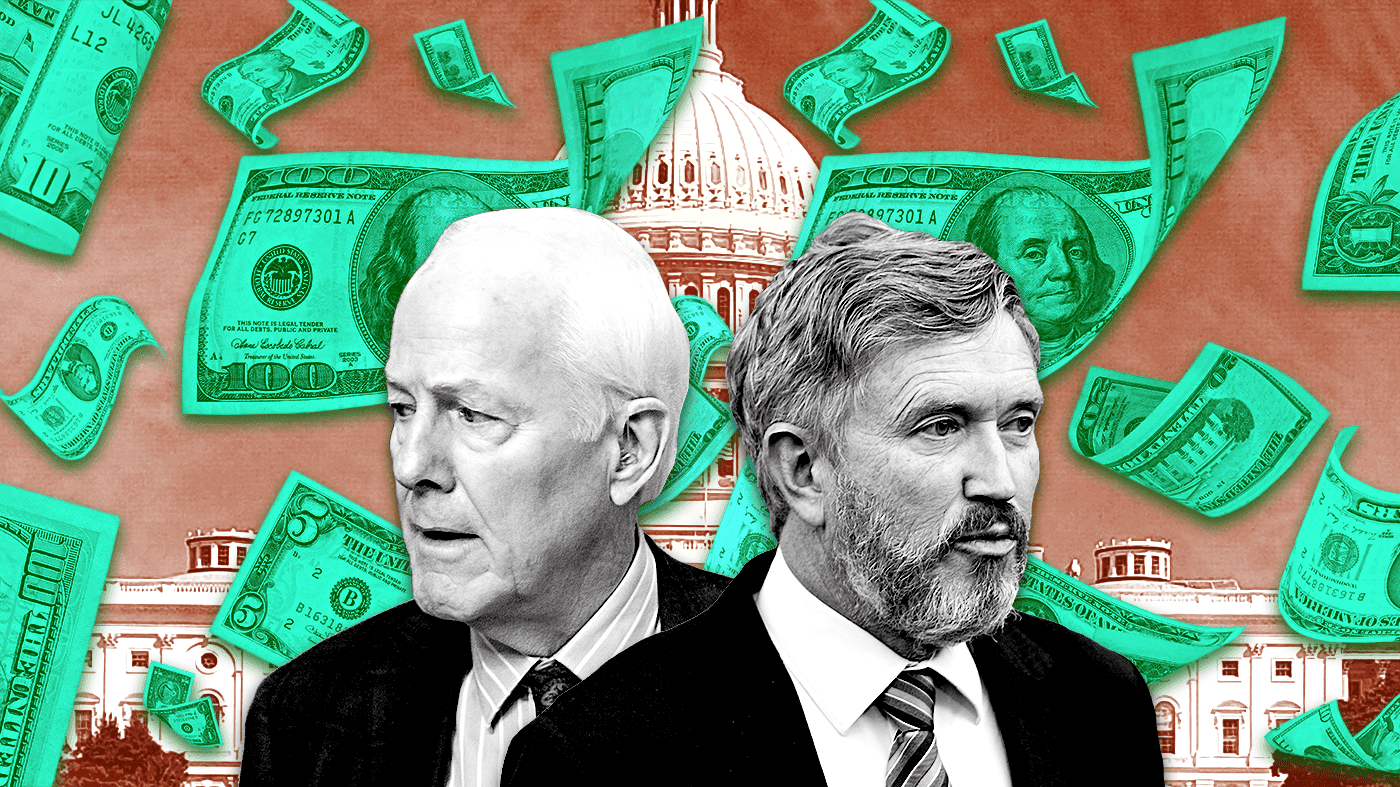
The 2026 primaries are delivering a brutal but consistent message to political operatives and campaign finance reformers: money doesn't guarantee victory. Two high-profile races—Kentucky's 4th Congressional District and the Texas Senate primary—show that even massive spending can't overcome weak messages or voter sentiment.
In Kentucky, Rep. Thomas Massie lost the most expensive House primary in U.S. history to Ed Gallrein. Pro-Gallrein forces outspent Massie's camp roughly $18 million to $14 million. Massie blamed outside money, particularly from pro-Israel groups, for his defeat. But University of Kentucky political scientist Stephen Voss noted that Massie's "already waning support from Trump voters and President Donald Trump himself" likely cost him the seat.
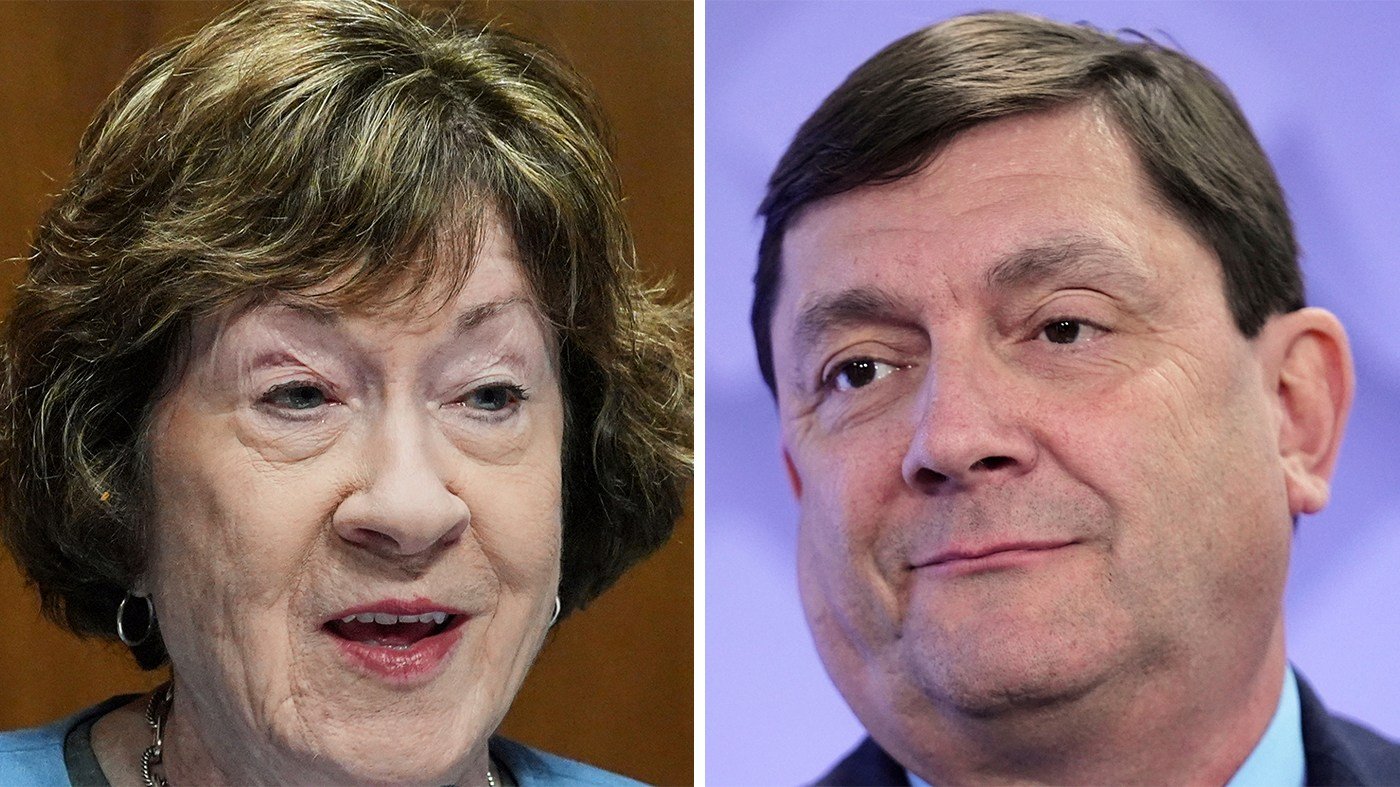
In Texas, Sen. John Cornyn's allies spent a staggering $45 per vote he received in his primary against Attorney General Ken Paxton. Paxton's side spent just $8 per vote. The result? Paxton won by 28 points. Cornyn joins a long list of big spenders who lost—Mike Bloomberg's $1 billion presidential bid in 2020 won only American Samoa, and Jeb Bush's $130 million campaign barely made it to South Carolina. Elon Musk's $21 million investment to defeat Wisconsin Supreme Court candidate Susan Crawford last year failed; she won by 8 points.
More recently, Tom Steyer spent over $200 million on ads in the California governor's race—20 times more than his nearest rival—and finished third. The pattern is relentless across party lines and election cycles. As Brett Nolan of the Institute for Free Speech argues, beyond a threshold needed to introduce a candidate, big spending has limited effect and is no guarantee of victory.
Critics who rail against "money in politics" often imply that voters are manipulated by ads and mailers. But that view is deeply cynical. Campaign spending buys communication tools—TV ads, mailers, phone banks, digital ads, and staff—all aimed at conveying a message. The real decision rests with voters who weigh that message against alternatives. After his loss, Massie joked about looking for his opponent in Tel Aviv, but nearly 60,000 voters in his district chose Gallrein. Are they all unwitting stooges?
Money still matters—a candidate with no resources can't introduce themselves to voters. But as Nolan puts it, "Money is simply the megaphone, and amplifying an unpersuasive message doesn't produce victory." The lesson from Kentucky, Texas, Wisconsin, and California is clear: voters are not for sale. They hear your message, consider what matters to them, and vote accordingly. All the money in the world can't change that, and treating spending as a guarantee of victory insults voters and democracy itself.