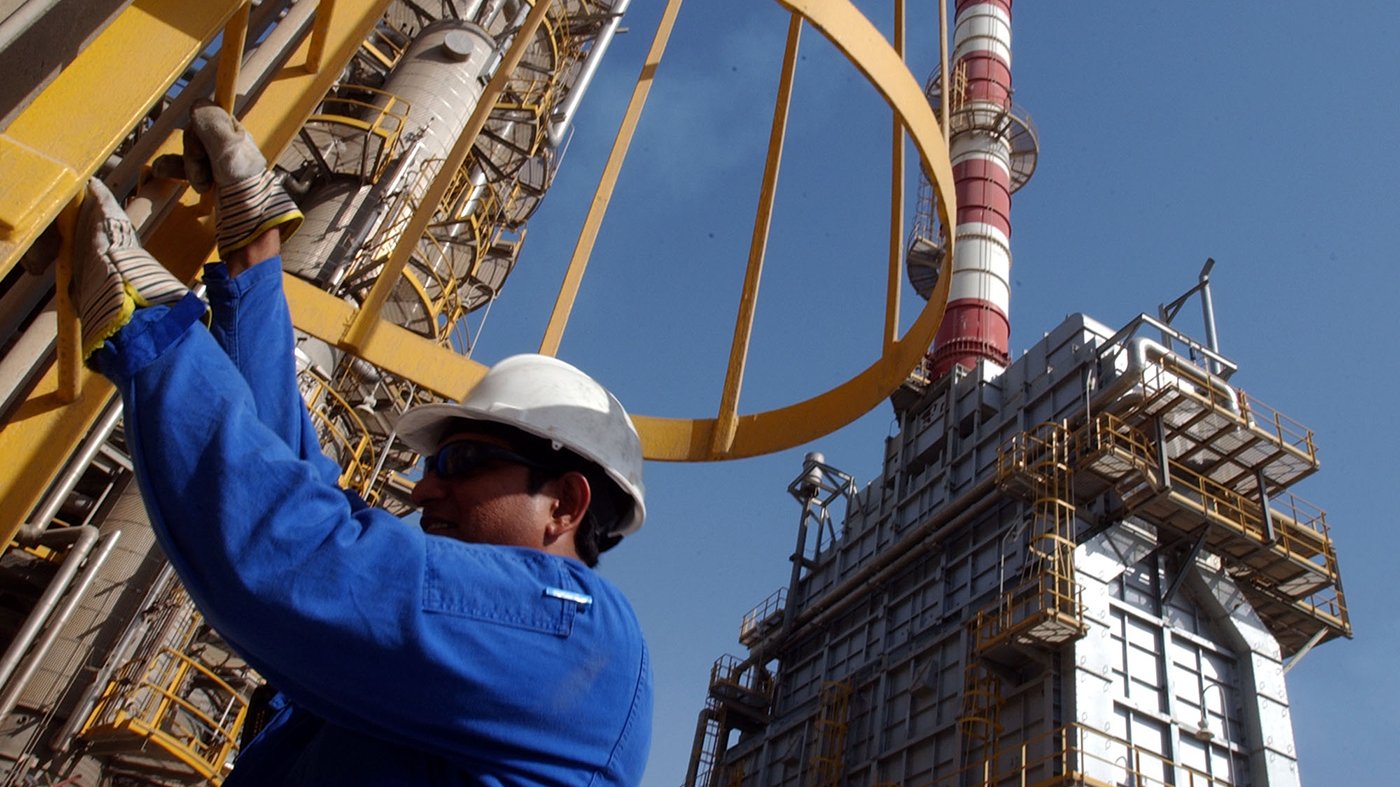
A coalition of major oil-exporting countries has signed off on a small production increase, even as crude prices continue to slide from wartime highs. The decision reflects a delicate balancing act: supply is rising, but prices are already relatively low by recent standards.
Seven members of the OPEC+ group—Saudi Arabia, Russia, Iraq, Kuwait, Kazakhstan, Algeria, and Oman—will collectively raise their output targets by 188,000 barrels per day, according to a statement released Monday. The move comes amid a rapid decline in oil prices, which have fallen sharply from the peaks reached during the conflict in Iran.
Strait of Hormuz Reopens, Prices Fall
The reopening of the Strait of Hormuz—a critical chokepoint for global oil shipments—has played a central role in the price drop. The strait had been effectively closed due to the war in Iran, creating a supply crunch that pushed Brent crude above $120 per barrel. A temporary agreement between Tehran and the Trump administration reopened the waterway, allowing tankers to resume transit and relieving the worst of the supply pressure.
On Monday, the international benchmark Brent crude was trading at approximately $72 per barrel, nearly back to where it stood before hostilities erupted. That price level is close to the pre-war baseline, but consumers have not seen proportionate relief at the pump. Gas prices remain stubbornly high, and station owners are facing scrutiny for not passing along the lower crude costs.
Cautious Approach from OPEC+
In its statement, OPEC emphasized that the production increase is modest and reversible. The group “reaffirmed the importance of adopting a cautious approach and retaining full flexibility to increase, pause or reverse” the adjustment, signaling that members are wary of oversupplying a market that could still face disruptions.
The alliance’s caution reflects the lingering uncertainty around the Iran situation and the broader geopolitical landscape. While the Strait of Hormuz is now open, the underlying tensions between Iran and the U.S. remain unresolved, and any new flare-up could quickly reverse the price decline.
Political and Economic Ripples
The oil price slide has immediate political implications. The Trump administration has been pressuring gas stations to lower prices, hoping to deliver relief to American drivers ahead of the next election cycle. A Gallup poll found that 67% of Americans have been hit financially by surging gas prices during the Iran conflict, making energy affordability a potent political issue.
The production increase also comes as the administration approved a $700 million arms sale to Turkey, boosting President Erdogan ahead of a NATO summit. That move underscores the complex web of energy, defense, and diplomatic interests at play.
Meanwhile, the reopening of the strait has broader economic consequences beyond oil. Fertilizer costs surged 40% during the war, threatening global food prices. Lower oil prices could help ease those pressures, but the recovery remains fragile.
For now, OPEC+ is signaling that it will keep a close eye on the market, ready to adjust if conditions change. But with prices already below $75, the group’s modest output hike may do little to alter the trajectory of a market that is rapidly returning to pre-war norms.