In the 1970s, as a young lawyer in Chicago, I found myself in a Cook County courtroom, bewildered by a judge's explosive reaction to a routine case. It wasn't until years later, when federal investigators indicted that judge as part of Operation Greylord, that I understood the shakedown I had unwittingly resisted. That experience, and the decades of reflection it prompted, now offers a stark lens through which to view the corruption of the Trump presidency.
My client was a teenager charged with burglary, a minor offense that ended with the prosecutor dropping the case when the victim failed to appear. But when I told the judge my client was a "CBR defendant"—meaning he'd get his bail money back—the judge erupted. "Lock him up," he ordered, and my client was hauled away. I was stunned; the charge had been dismissed. Only later, after the clerk explained that the judge didn't realize I worked at a legal clinic and took no fees, did the truth surface. The judge was running a kickback scheme, demanding a cut from lawyers who pocketed clients' bail money. My refusal to play along was seen as a breach of an unspoken code.
The Greylord investigation eventually sent that judge and dozens of others to prison. But the lesson of that courtroom endures: corruption thrives when it becomes routine, when those who witness it stay silent, and when the system punishes those who don't comply. As one observer noted, similar dynamics of silent acquiescence have fueled corruption probes in New York, where officials looked the other way on lucrative contracts.
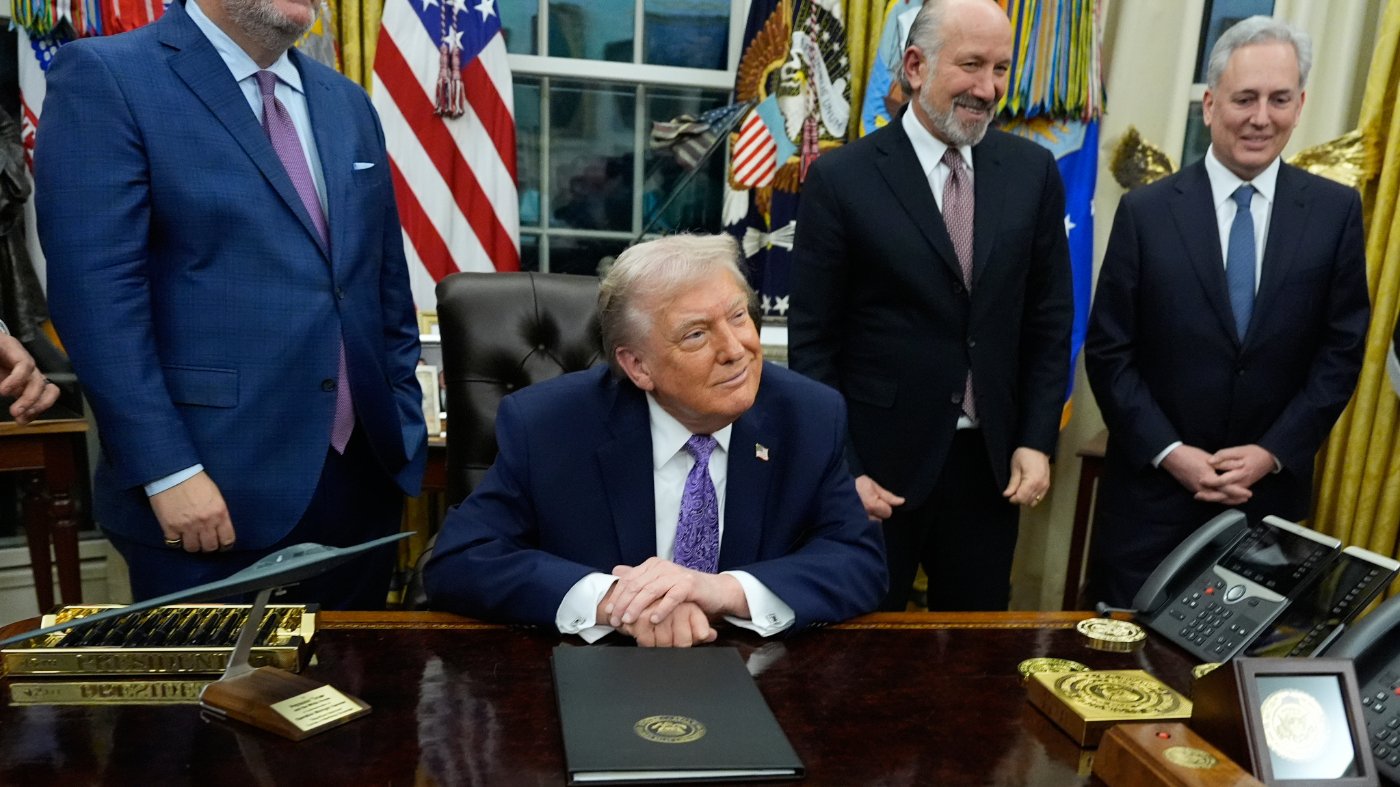
Today, we see the same pattern in the White House. Trump has turned the presidency into a profit center, doubling Mar-a-Lago's initiation fee after his first election, promoting family crypto ventures and other investments worth billions, and accepting a customized 747 from Qatar as a gift. His exploitation of office differs from that Cook County judge only in scale—and barely in kind. In both cases, the key enabler is complacency. Insiders are too complicit or intimidated to object. Media outlets, overwhelmed by the volume of self-dealing, struggle to keep stories alive. The public, numbed by the constant barrage, barely registers the next revelation.
Trump himself has acknowledged this dynamic. "I found out that nobody cared," he told the New York Times, explaining why he felt free to flout ethical norms. That sentiment echoes the silence in that Chicago courtroom, where prosecutors chose ignorance over confrontation, and lawyers saw the judge's kickback as simply the cost of doing business. The wisdom of silent acquiescence was reinforced when my client was jailed for my refusal to go along.
The Greylord scandal ended only when federal prosecutors—first under Attorney General Benjamin Civiletti, a Democrat, and later under Republican William French Smith—stepped in. Now, Trump's pick for attorney general is his former personal lawyer, Todd Blanche. Don't expect a similar crackdown. The lesson from that courthouse is clear: without a determined enforcer, corruption becomes routine. And when it's routine, it's barely noticed—until it's too late.
As voters increasingly reject corruption and inequality, the parallels between that judge's courtroom and Trump's White House should serve as a warning. The normalization of venality is a slow poison, and the antidote is vigilance—and the courage to speak out, even when it costs you.