President Donald Trump is set to meet separately with Ukrainian President Volodymyr Zelensky and Syrian leader Ahmed al-Sharaa during the NATO summit in Ankara, Turkey, according to a senior White House official. The president departs Washington Monday evening for the two-day gathering, with both bilateral sessions scheduled for Wednesday. A press conference will follow before Trump returns to the United States.
This will be Trump's second face-to-face encounter with Zelensky in less than a month, after their meeting at the G-7 summit in France. During that earlier conversation, Trump urged Russia to negotiate an end to its invasion of Ukraine, pointing to mounting casualties on both sides. The two leaders also spoke by phone on July 4, when Zelensky congratulated Trump and all Americans on the nation's 250th birthday.
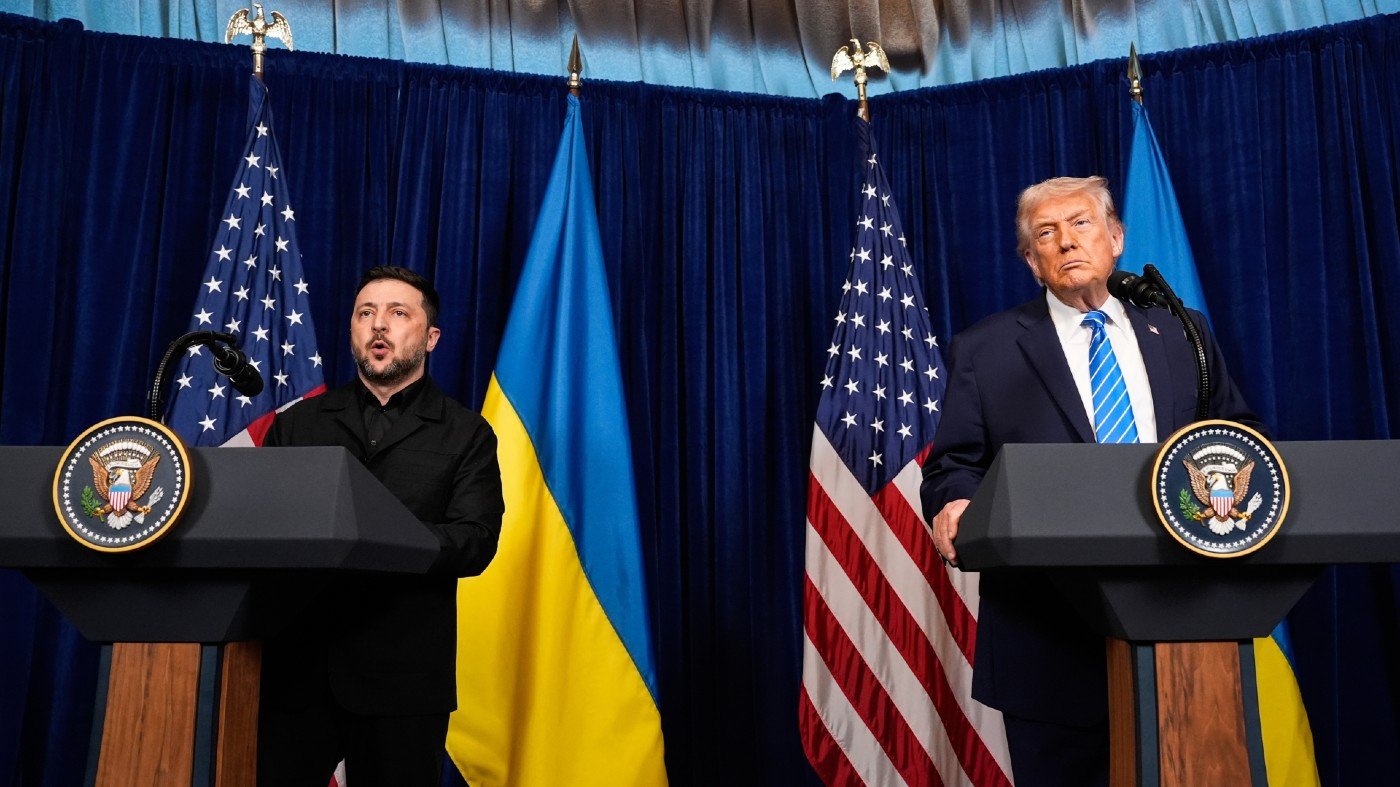
In a post on social platform X, Zelensky said: "Of course, President Trump and I discussed the current situation on the frontline as well as our diplomatic efforts. There is a real prospect to put an end to this war, and America’s resolve is decisive. We have agreed to continue these discussions during the NATO Summit in Ankara."
The urgency for peace talks has been underscored by recent Russian attacks on Kyiv. Last week, drone and missile strikes killed 21 people and injured nearly 100, damaging more than 100 residential buildings, according to Zelensky. The senior White House official said the Trump-Zelensky meeting is intended "to talk about how we can end the war," adding that Trump feels a "real sense of urgency to try to bring this to a stop."
Trump also spoke with Russian President Vladimir Putin by phone on Saturday, a conversation that lasted one hour and 25 minutes. Yuri Ushakov, a longtime Putin aide, described the call as "highly constructive" and noted that Trump confirmed his readiness to facilitate an early cessation of hostilities and seek peaceful solutions to the crisis.
The meeting with al-Sharaa marks a significant diplomatic engagement with Syria's new leader, who took power after former President Bashar al-Assad fled to Moscow when rebel forces entered Damascus. Trump has publicly praised al-Sharaa, a former al Qaeda commander, as someone who could more effectively combat Hezbollah than Israel. During the G-7 meeting last month, Trump said al-Sharaa "is very good with Hezbollah, does not like them," and argued that Israel's prolonged campaign against the Iranian-backed group in Lebanon has caused too many civilian casualties and derailed peace talks between the U.S. and Iran.
The NATO summit takes place amid ongoing debates about the alliance's future and burden-sharing. Trump has consistently pressed member states to increase defense spending, a stance that has drawn both support and criticism. Critics have also pointed to what they see as Trump's willingness to negotiate directly with adversaries, arguing that his approach to Russia and Syria could undermine U.S. credibility with allies.
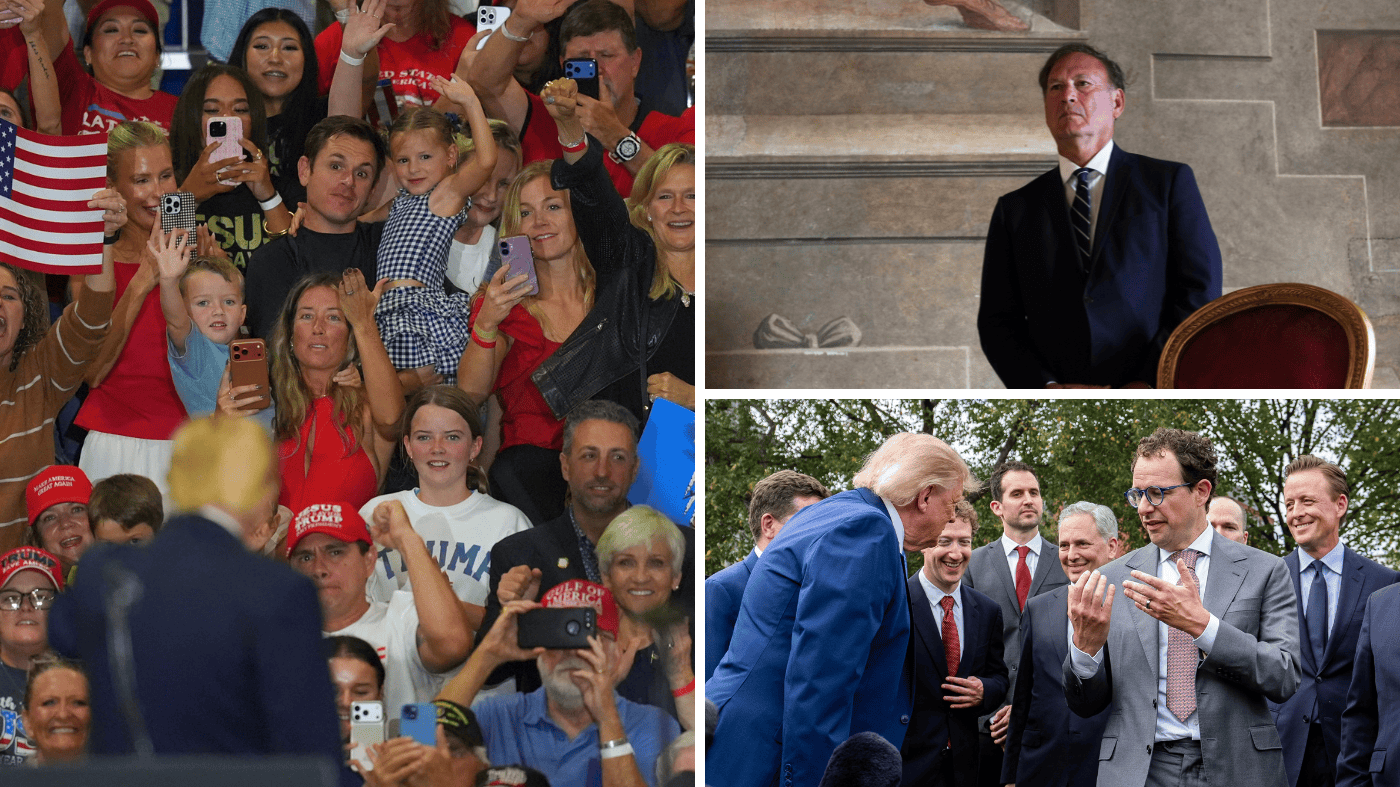
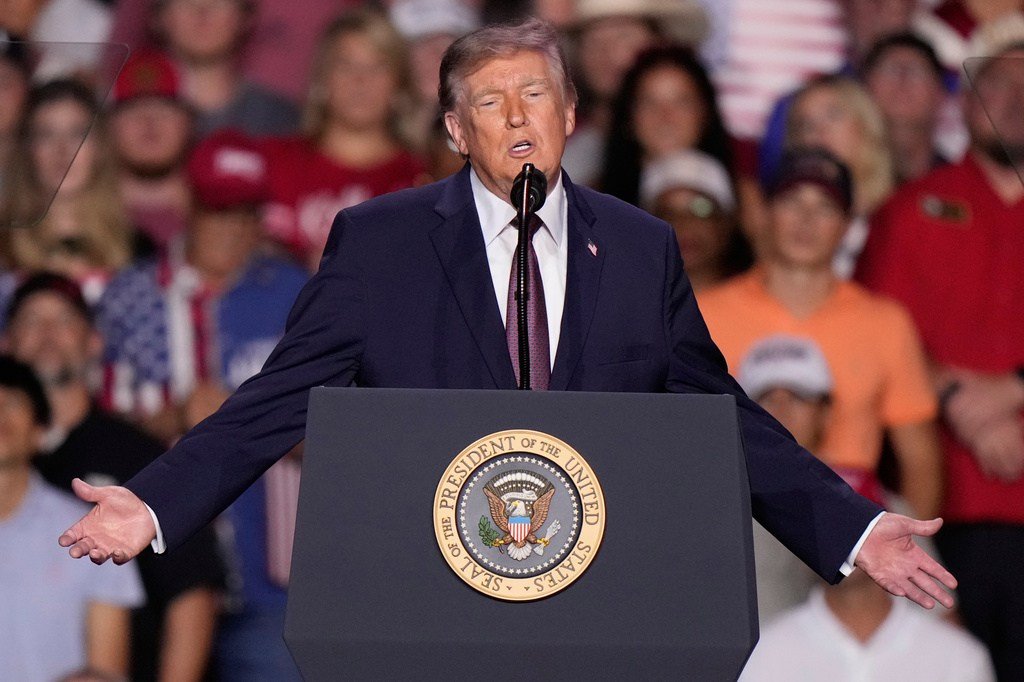
Meanwhile, domestic political dynamics continue to shape Trump's foreign policy agenda. Some Republican lawmakers have urged the president to grant legal status to longtime immigrants, while watchdogs warn that Trump is systematically dismantling post-Watergate ethics reforms. The president's recent July Fourth speech, cut short by heat and laced with partisan jabs, highlighted the ongoing tension between his nationalist base and traditional allies.
As Trump heads to Ankara, the world will be watching to see whether his personal diplomacy can produce concrete steps toward ending Europe's deadliest conflict since World War II, and what role Syria's new leadership will play in reshaping Middle Eastern alliances.