The Energy Department on Thursday unveiled a proposal that would impose significant new barriers to creating or tightening energy efficiency standards for household appliances. While the rule would apply equally to any administration, its practical effect would be to slow down a future Democratic president's push for stricter requirements.
Strict New Criteria Proposed
Under the plan, any future efficiency regulation would have to meet one of two stringent thresholds: either reduce energy use by 10 percent over 30 years or save two quadrillion British thermal units over that period. The rule would also mandate an “early assessment” step before any existing standard could be tightened, adding procedural delays.
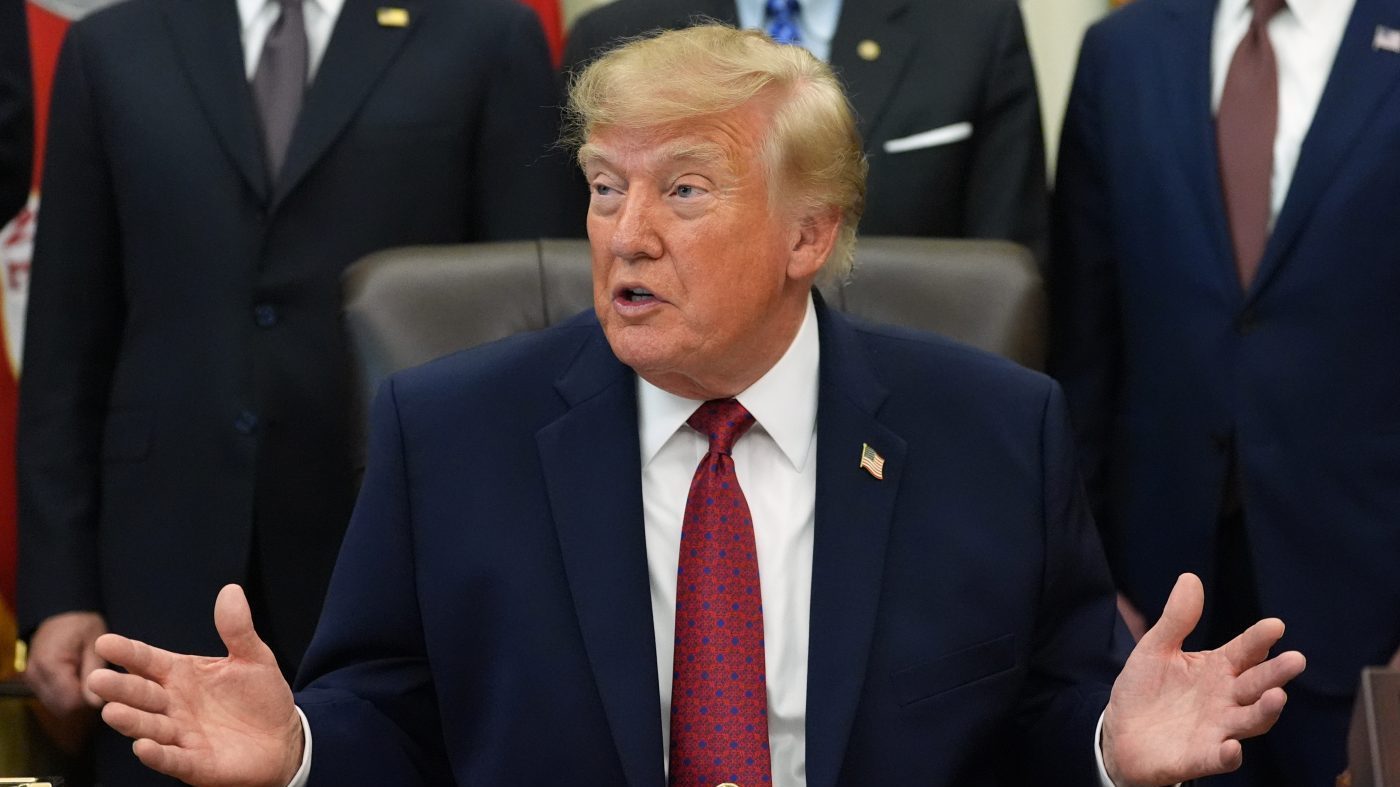
“Every time you change a rule, you impact manufacturers all around the world,” Assistant Secretary of Energy Audrey Robertson told The Hill. “Changing a rule should be difficult. It should benefit consumers by having meaningful, significant energy savings, and significant energy savings is something that wasn’t defined before.”
Critics: Rule Would Block Meaningful Standards
Opponents argue the thresholds are so high that they would effectively freeze progress. Andrew deLaski, executive director of the Appliance Standards Awareness Project, said the rule would require savings of at least $35 billion before a standard could even be considered, “even if it had zero cost.” He warned that if such a rule had been in place historically, “it would have eliminated many of the standards in place today that are reducing utility bills in people’s homes.”
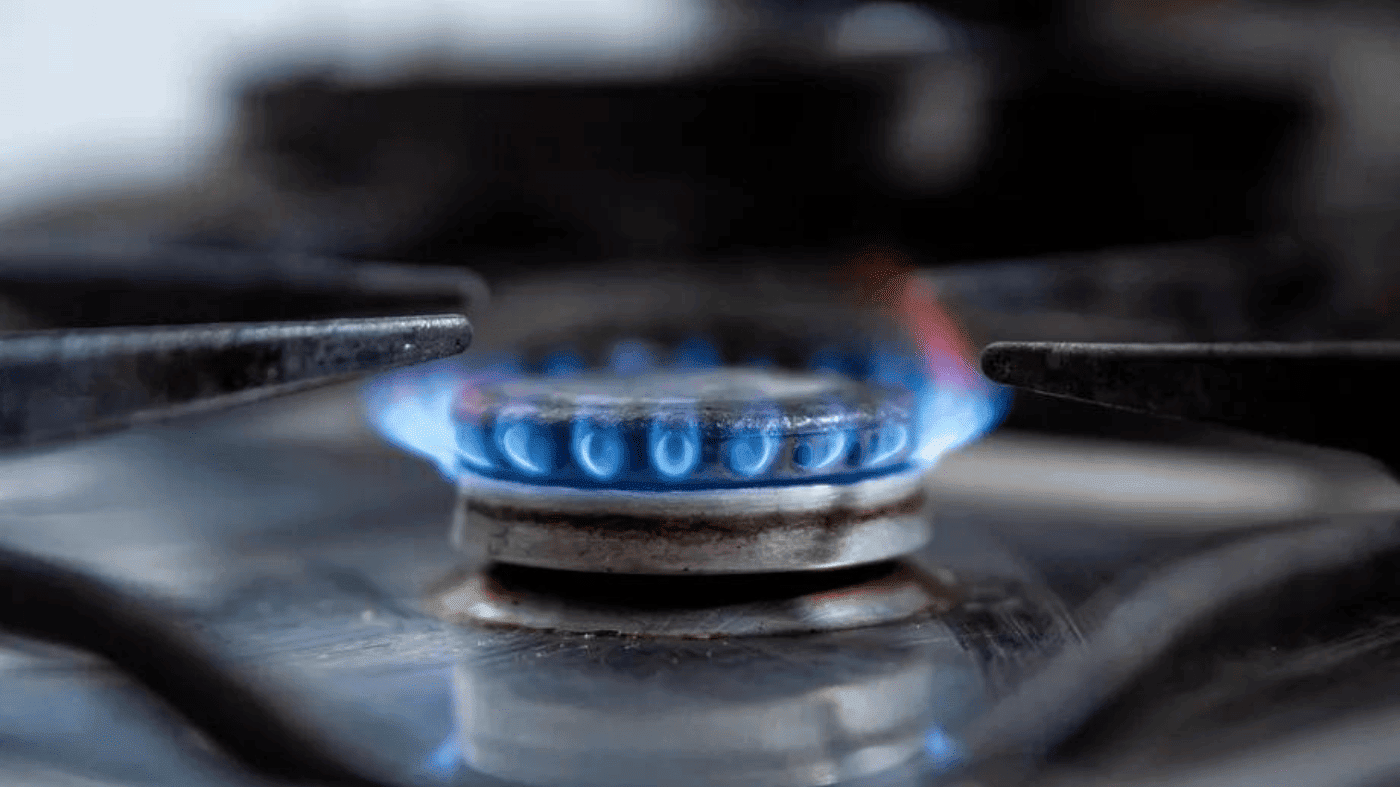
Democrats have long championed stricter efficiency rules as a way to lower consumer costs and combat climate change. While the issue once enjoyed bipartisan backing, many Republicans now frame it as part of a “war on appliances,” particularly gas stoves. The proposal comes as energy demand from data centers surges, adding pressure on the grid.
Potential for Reversal, but Delays Likely
A future administration could overturn the rule, but that process takes time. Robertson acknowledged the rule could slow down a new Democratic White House, saying “the process is long to have a rulemaking — as it should be.” DeLaski predicted that for a future Democratic president, “getting rid of the Trump administration rule would be high on the list” and something “they’d have to do relatively quickly.”
Robertson framed the initiative as about preserving consumer choice. “Maybe paying a little more in your operating costs is the right trade off for having a much lower entry price,” she said. The debate echoes broader tensions over energy policy, including calls for AI firms to disclose environmental costs and unorthodox proposals from GOP lawmakers.
The rule is open for public comment and is expected to be finalized before the end of the year. Its long-term impact will depend on the outcome of the 2024 election and the speed with which any new administration can undo it.