United Nations Secretary-General António Guterres on Tuesday issued a sharp demand to artificial intelligence companies: stop hiding the environmental costs of your technology. Speaking at London Climate Action Week, he called for mandatory disclosure of carbon emissions, water consumption, and land use tied to AI operations, and urged firms to power all facilities with renewable energy by 2030.
Guterres unveiled what he termed the AI Environmental Transparency Initiative, arguing that the booming sector must measure and publicize its ecological toll. “No more hidden costs. No more shifting the burden onto those least able to bear it. It is time to come clean,” he said at Europe’s largest independent climate conference.
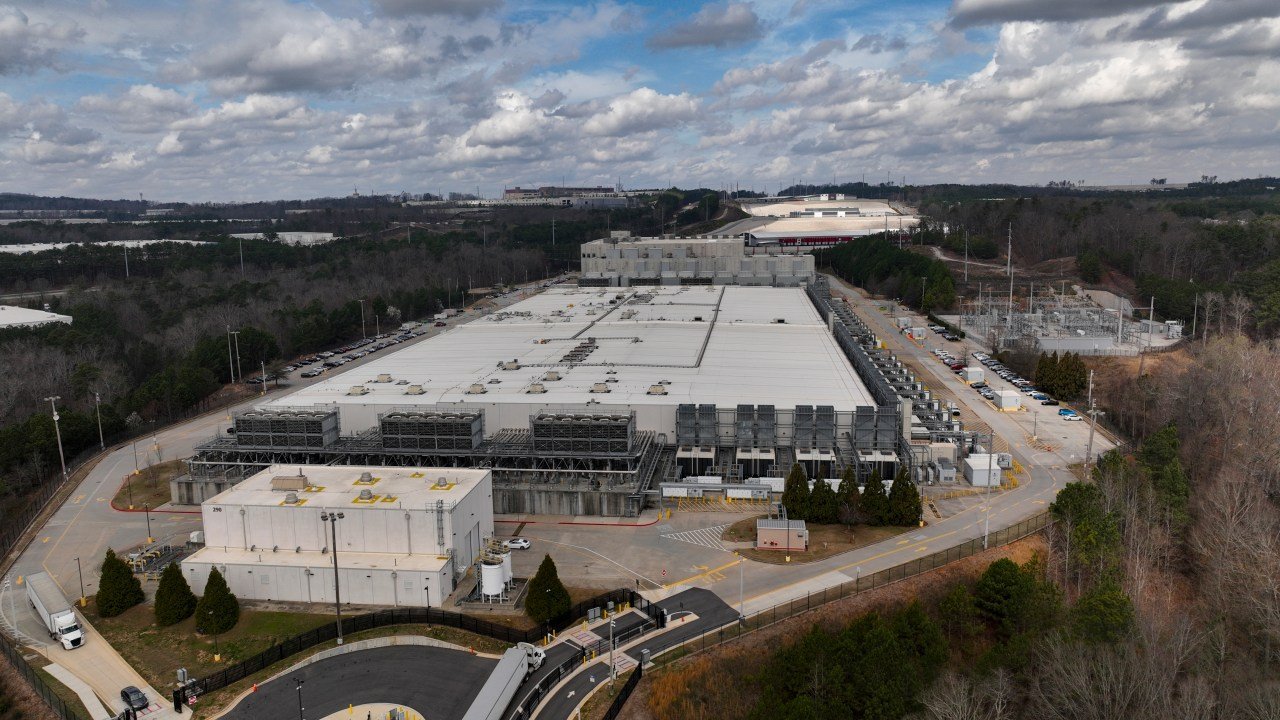
The push comes as AI’s explosive growth strains global energy grids. Data centers already consume about 1.5% of the world’s electricity, a figure the UN projects will nearly double to 3% by 2030. According to the International Energy Agency, coal still supplies roughly 30% of that power, while renewables provide 27%, natural gas 26%, and nuclear 15%. Renewable sources are expected to meet only half of new demand over the next five years.
Major tech firms like Amazon and Google have pledged to run on clean energy by decade’s end, often leaning on solar and nuclear. But the race to deploy AI has complicated those commitments, with greenhouse gas emissions from data centers rising sharply. Regulatory hurdles have also slowed climate-friendly projects.
The environmental footprint of AI infrastructure already rivals that of entire nations, according to a UN report released earlier this month. Water use, energy consumption, and pollution from AI are set to double in just four years. “Despite these obvious concerns, communities are often left in the dark about the environmental impact of the infrastructure rising around them,” Guterres warned.
Guterres framed the issue within the broader climate crisis, noting that 2024 became the first year the three-year average global temperature exceeded 1.5 degrees Celsius above pre-industrial levels—the key threshold set by the 2015 Paris Agreement. He called for every major emitter to “over-deliver on its commitments” and urged cuts in methane, a potent greenhouse gas responsible for about a third of global warming.
On the energy front, Guterres pointed to bright spots: renewable generation—led by solar and wind—surpassed overall electricity demand growth last year, and clean power now accounts for more than a third of the world’s electricity mix for the first time in modern history. Coal’s share has fallen below a third globally. China continues to drive the clean energy transition, and European fossil generation is trending downward.
But the United States under President Donald Trump has reversed course, embracing coal, oil, and gas while slashing support for renewables. The global energy crisis, exacerbated by the U.S. military engagement in Iran—which Guterres called “the mother of all energy shocks”—has deepened reliance on fossil fuels. In a related development, the IAEA confirmed it will oversee Iran’s nuclear sites under a new U.S. deal, adding another layer to the energy geopolitics.
Guterres described the current moment as “A Tale of Two Crises,” borrowing from Charles Dickens. “For the climate agenda, this is indeed the best of times and the worst of times,” he said. “The worst—because climate impacts are intensifying, tipping points are looming, and the energy crisis has exposed the deep risks of dependence on fossil fuels. But also the best—because the renewables revolution is well underway.”
The UN chief will press for stronger climate action at the upcoming COP conference in Turkey, where leaders will negotiate emissions targets. Meanwhile, the AI industry faces mounting pressure from governments and local communities for standardized reporting and greater accountability. As the sector’s energy appetite grows, the question remains whether voluntary pledges can keep pace with the planet’s warming trajectory.