Political analysts who repeatedly miss the mark on elections often live in a bubble far removed from the realities of working-class voters. This disconnect is particularly dangerous for Republicans as they head into the 2026 midterms, with warning signs flashing in Florida and Texas that many in the party's leadership seem unwilling to acknowledge.
Having grown up in poverty, I understand that working-class Americans don't resent the success of others. They simply want those in power to recognize and address the struggles of those who are disenfranchised. Many paycheck-to-paycheck voters who supported President Trump in 2024 now say their paychecks buy less every month. This is not a perception problem—it's a reality. My own wife regularly returns from the grocery store with just two small bags and points out the ever-rising prices.
Administration officials tout a booming stock market and growing 401(k) accounts, but that message doesn't resonate with families struggling to afford basic necessities. Economic success for one class does not cancel out the crushing burden on another. Politics is cyclical, and the party that addresses bread-and-butter issues often wins. Democrats once owned that mantle, Republicans hijacked it, and now it appears to be swinging back.
History is not on the GOP's side: in 20 of the last 22 midterm elections, the party holding the White House lost ground. That historical trend, combined with real economic pain among working-class voters, should be a five-alarm fire for Republicans. Yet many seem blissfully oblivious.
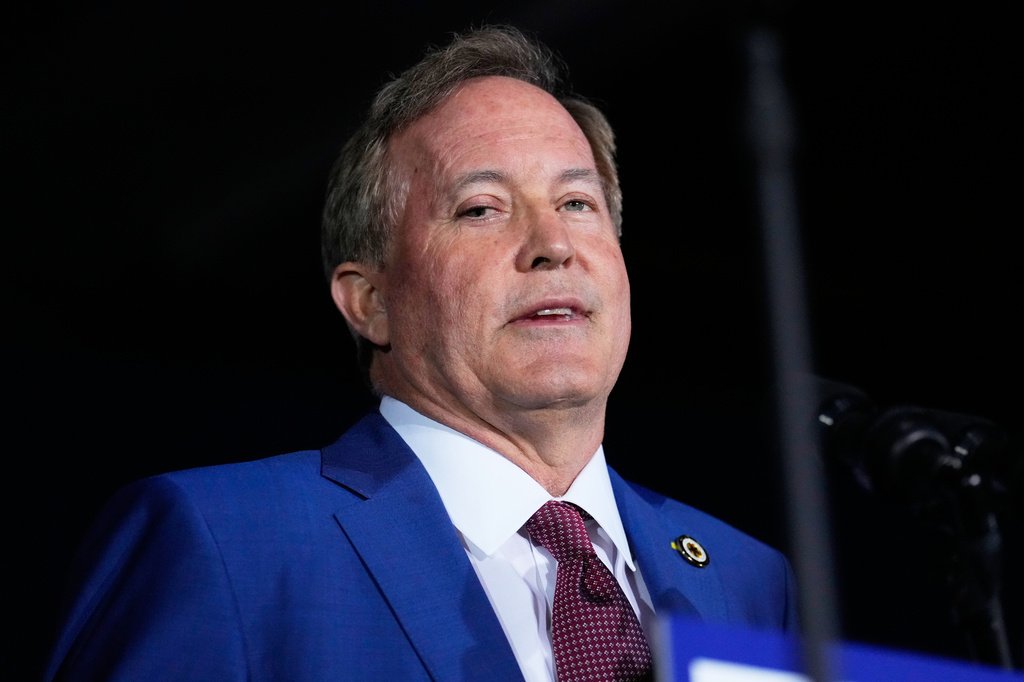
Take Florida and Texas, two deep-red states where Republicans I speak with are increasingly nervous. In Texas, a recent Fox News poll shows Democratic Senate candidate James Talarico leading Republican Ken Paxton by 3 points, and by 6 points among highly motivated voters. A quarter of non-MAGA Republicans support Talarico—this in a state Trump won by 14 points in 2024. Why? Republicans are wasting time attacking Talarico's personal life, while Paxton carries his own baggage. Working-class Texans feel ignored by a party that celebrates a stock market they don't share in.
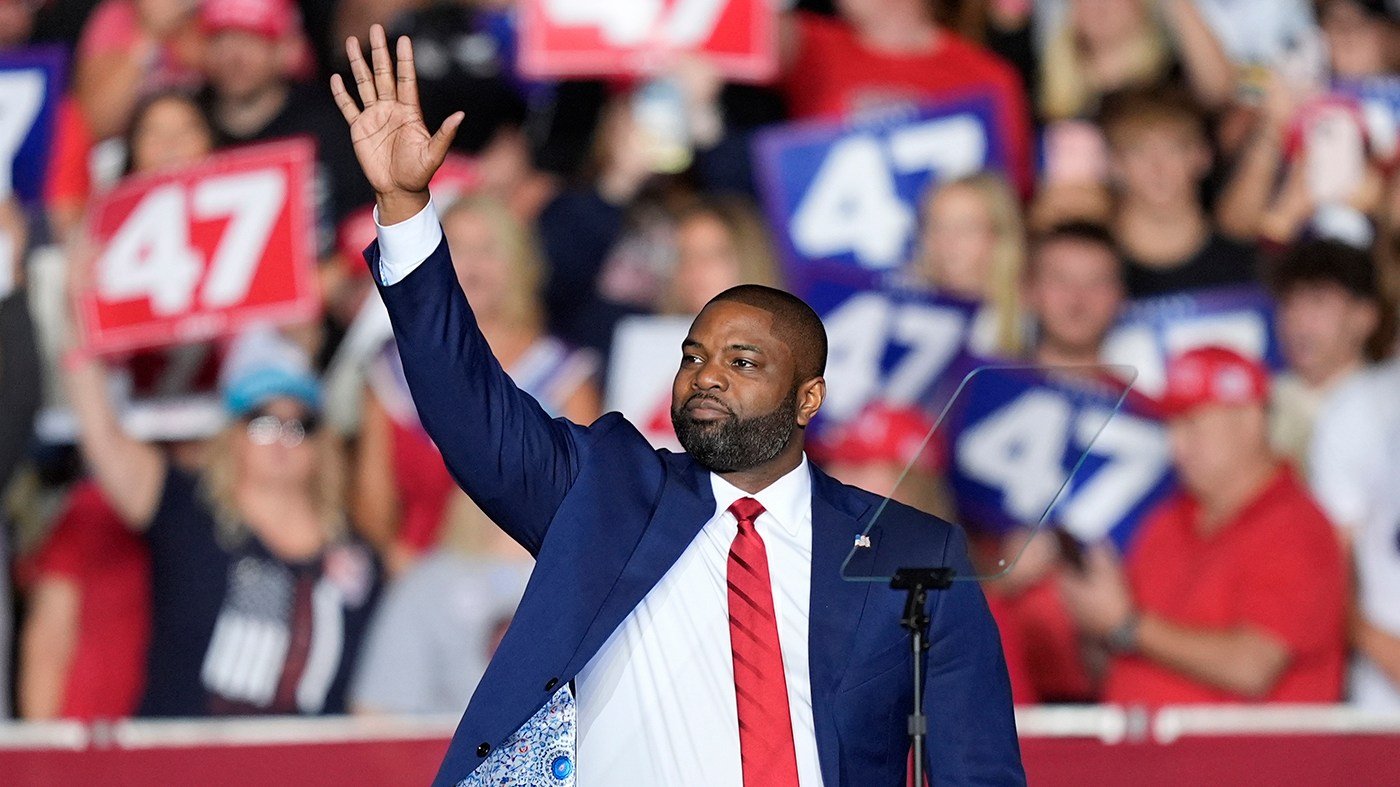
In Florida, the situation is similar. Term-limited Gov. Ron DeSantis is widely praised, but his wife Casey might have been a lock to succeed him—until President Trump endorsed Rep. Byron Donalds before the primary even began. Donalds is now being hammered by negative attack ads that Democrats will surely use in the general election. Florida Republicans I know are worried, especially as state issues like the leprosy surge tied to armadillos add to the sense of unease.
Karl Rove, the architect of George W. Bush's presidential victories, has warned that Republicans are repeating the mistake he believes cost Democrats the 2024 election: relying too heavily on GDP and job numbers while ignoring the economic pressures voters feel. That warning seems to be falling on deaf ears.
Even as Democratic Socialists gain ground in some primaries, the GOP has its own canaries in the coal mine. If flawed candidates like Paxton and Donalds lose in states that should be safe, the Republican Party faces a deep crisis. The leadership needs to figure out how to get emergency oxygen to these canaries before it's too late.