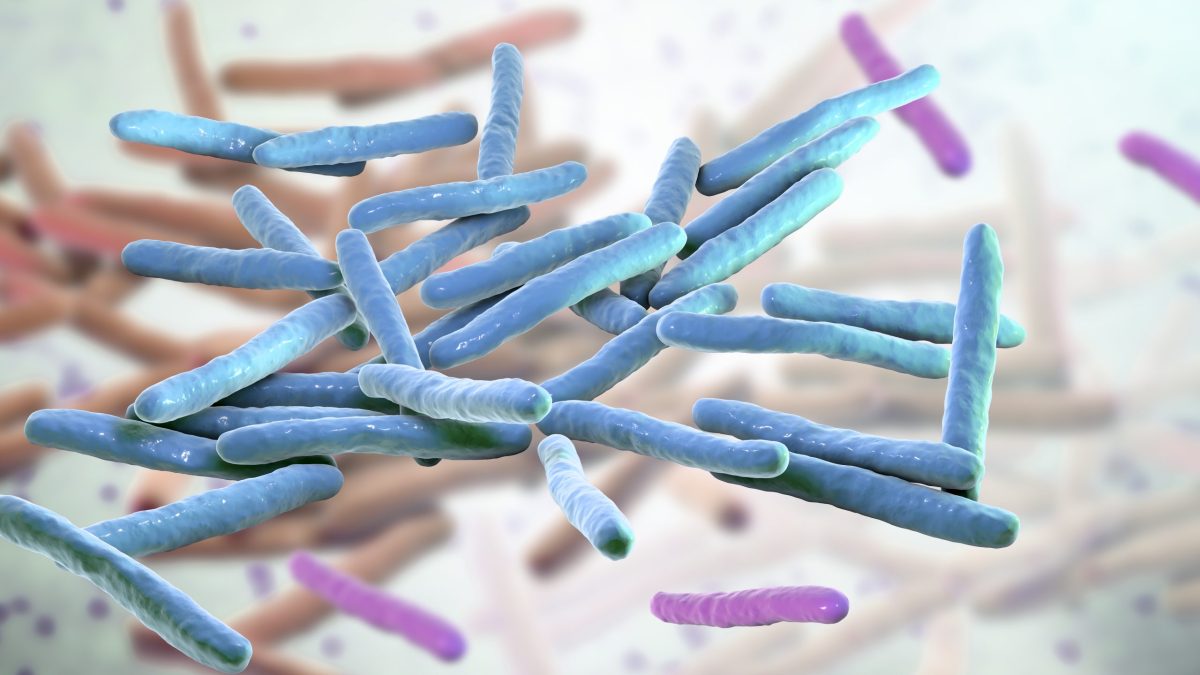
Florida is experiencing a notable uptick in leprosy cases, with health officials pointing to contact with armadillos as a significant factor. As of July 23, the state's Department of Health has recorded 17 cases this year, with a striking 81% concentrated in Central Florida, according to WFLA. The heaviest clusters are in Volusia, Brevard, Lake, Orange, and Seminole counties.
The trend is not new. Last year, Florida logged 36 cases, the highest annual count since reporting began in 1992. Of those, at least 26 were acquired within the state, one came from out of state, and two were contracted abroad. The origin of the remaining seven cases remains unknown.
Understanding Leprosy
Leprosy, formally known as Hansen's disease, is a chronic infection caused by the slow-growing bacterium Mycobacterium leprae. The disease has a long incubation period, with symptoms sometimes not appearing for up to 20 years after exposure.
Symptoms include skin lesions, lumps, and ulcers, as well as loss of eyebrows and eyelashes. The bacterium can also attack peripheral nerves, which connect the brain and spinal cord to the skin, muscles, and internal organs. This nerve damage can lead to a loss of sensation, making patients more prone to cuts and burns.
While leprosy is rare in the U.S., most cases are linked to international travel. However, the rise in Florida cases has drawn attention to local transmission, particularly through contact with armadillos, which are known carriers of the bacterium.
Health officials advise residents and visitors in affected areas to avoid handling armadillos and to take precautions if they encounter them. The disease is treatable with antibiotics, but early diagnosis is crucial to prevent long-term nerve damage.
The increase in cases has sparked concern among public health experts, especially given the concentration in Central Florida. As the state continues to see a rise in infections, officials are urging awareness and preventive measures.
For those living in or traveling to high-risk areas, simple steps like wearing gloves when gardening and avoiding direct contact with wild animals can reduce the risk of exposure. The Florida Department of Health is monitoring the situation closely and providing guidance to healthcare providers.
While the numbers remain relatively small, the trend is a reminder that even rare diseases can emerge locally. Public health vigilance, combined with community awareness, is key to containing the spread.