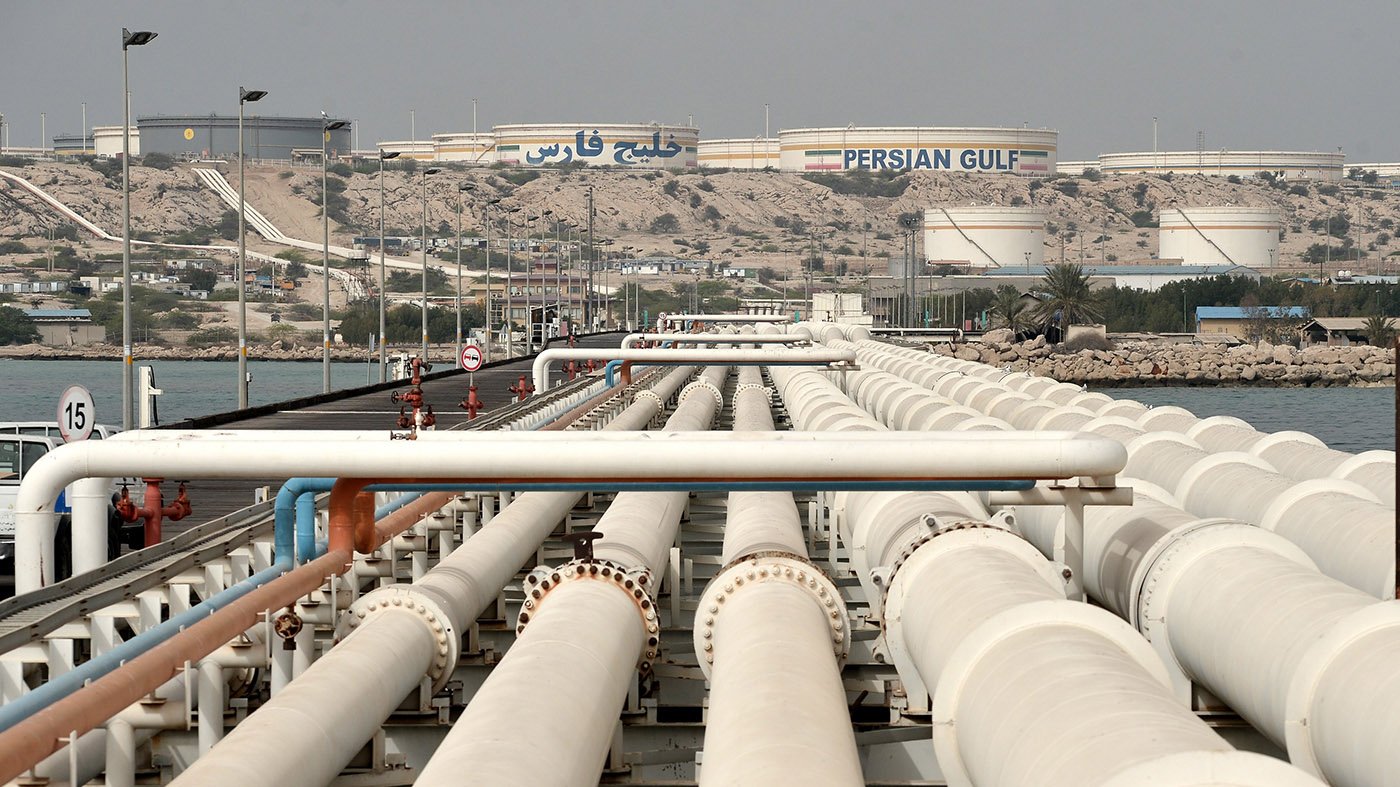
The United States' emergency crude stockpile has dropped to its lowest point in more than four decades, a direct consequence of the ongoing military confrontation with Iran. According to data from Bank of America Global Research cited by the Associated Press, the Strategic Petroleum Reserve now holds roughly 304.8 million barrels—the smallest inventory since 1983—translating to just 43 days of supply.
The Trump administration has been tapping the reserve to temper soaring energy prices triggered by the closure of the Strait of Hormuz, a chokepoint that normally carries up to one-fifth of the world's daily oil shipments. For five months, the strait has been effectively closed to commercial traffic, sending shockwaves through global energy markets and keeping crude prices volatile.
In response, President Trump authorized the release of 172 million barrels over a 120-day period. To date, about 108.6 million barrels have been drawn down, according to federal data. Yet the president himself has warned that this strategy is not sustainable. On June 17, he told reporters, "We run out of reserves in about four weeks. We would really run out and there’ll be a time when you wouldn’t be able to get it. And do you want to see bedlam?"
That same day, Trump signed a memorandum of understanding with Iran, aiming to move toward peace, including a path to denuclearization and safe passage through the Strait of Hormuz. The deal, however, collapsed quickly; strikes resumed on July 8. The renewed hostilities sent crude prices surging nearly 5 percent, with Brent climbing 5.2 percent to $78.02 a barrel and West Texas Intermediate rising 4.4 percent to $73.52.
The fallout has forced several Asian economies—South Korea, Thailand, Vietnam, and Bangladesh—to implement emergency rationing measures, such as restricting air conditioning use and alternating driving days. China, the world's largest oil importer, has cut its purchases by roughly 3.5 million barrels per day, dropping from an average of 11 million to about 7.8 million BPD. Beijing maintains a massive strategic reserve, estimated at nearly 1.4 billion barrels when combining state and commercial stockpiles.
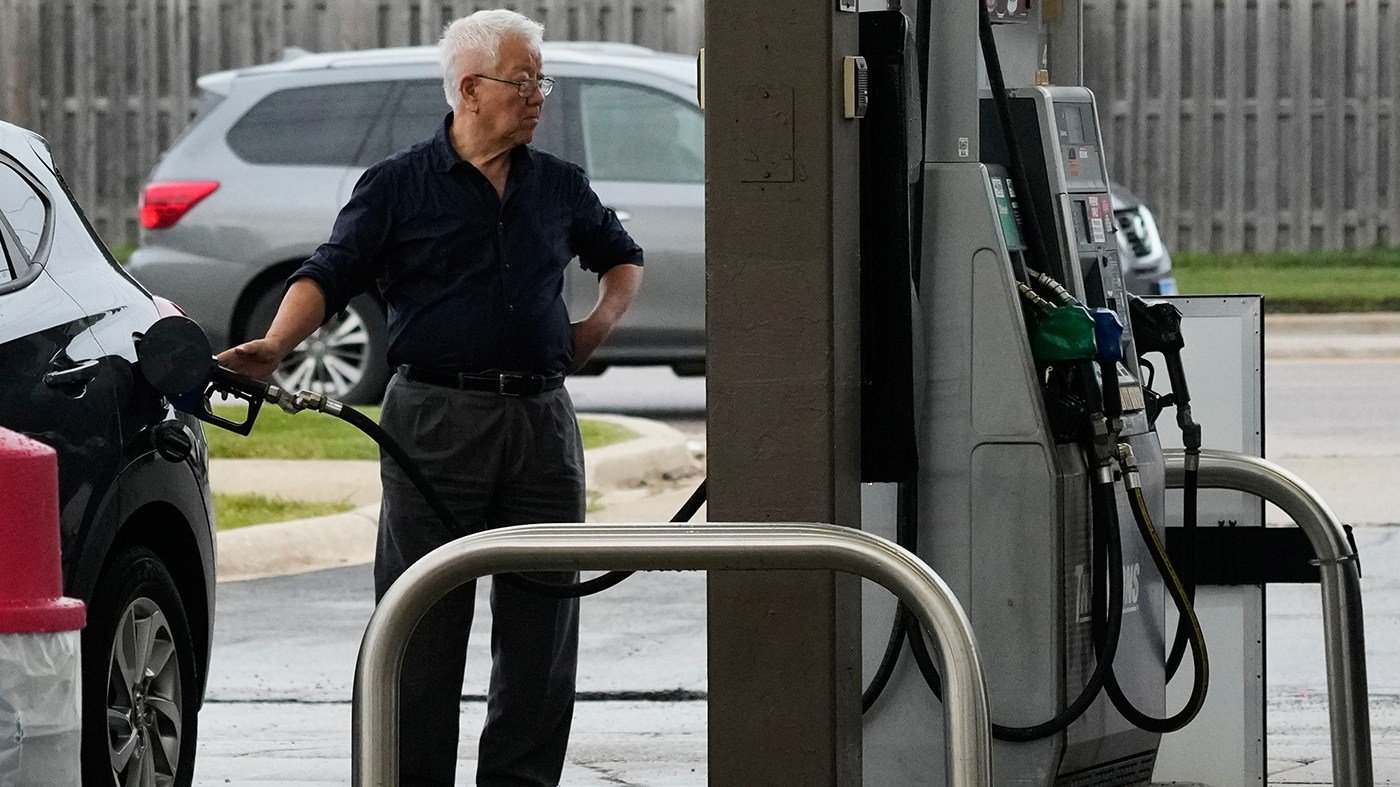
Despite the strain, the Trump administration has remained optimistic that prices will stabilize once the war ends, though no withdrawal timeline has been set. The president has publicly criticized American oil giants like ExxonMobil and Chevron for profiting from the conflict, saying on Monday, "They're making too much money. Too much money," and urging them to lower pump prices. He added, "You're surprised? I'm saying it. I'll say it loud and clear."
However, industry executives point out that major producers do not control most retail station prices, and global crude realities—driven by the war—will keep prices elevated. Even when benchmarks dip, local gas prices historically lag by weeks. For now, the U.S. faces a precarious energy outlook, with strategic reserves at historic lows and no immediate resolution in sight.