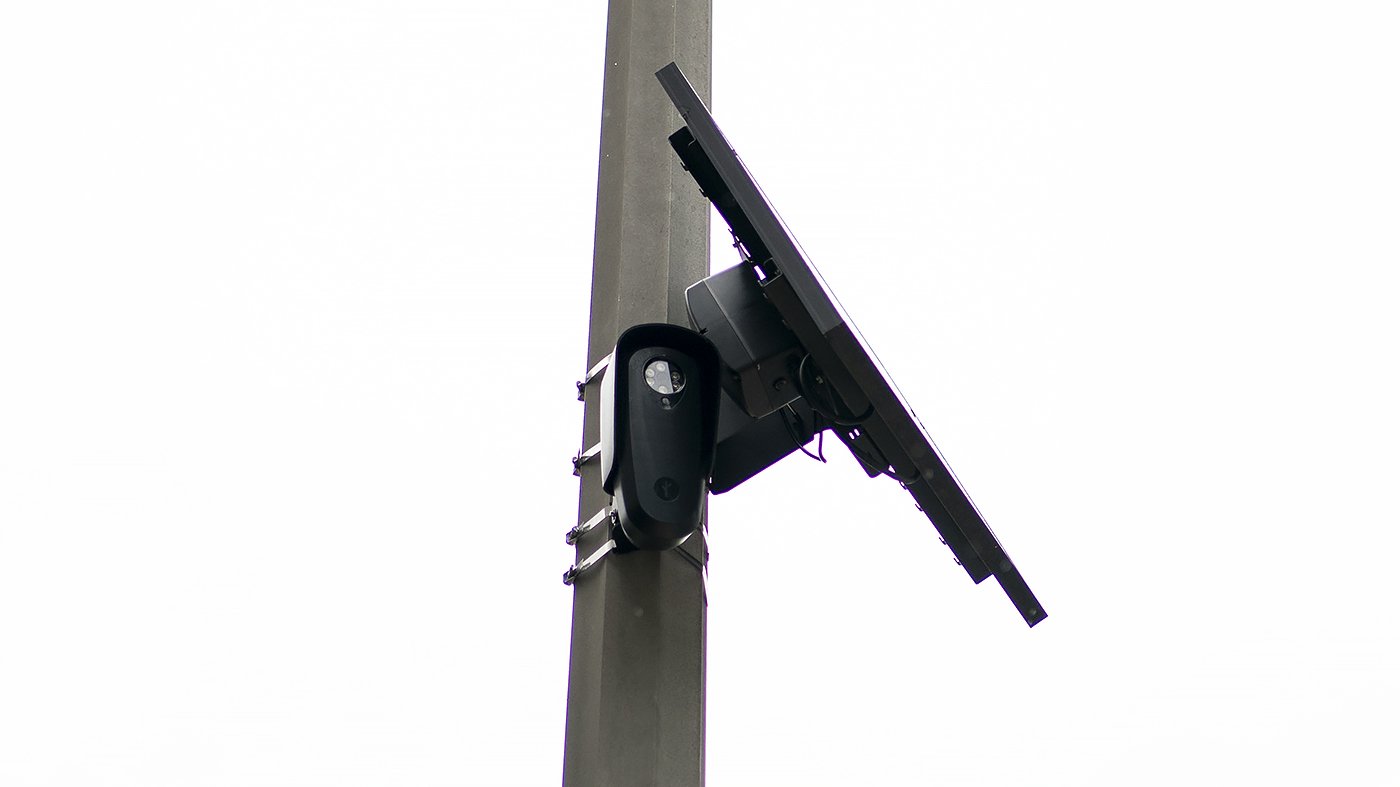
Flock Safety, the Atlanta-based surveillance technology firm, is facing mounting opposition from communities and civil liberties groups over its expansive network of AI-powered license plate readers. In response to a wave of privacy lawsuits and contract cancellations, the company announced new data retention and access policies on Thursday, aiming to ease concerns about mass surveillance and potential misuse by law enforcement.
The policy shifts indicate that Flock is feeling the heat from public criticism, yet privacy advocates and legal experts argue that leaving the company to police itself is not a sufficient remedy. Michael Soyfer, an attorney with the Institute for Justice, dismissed the changes as "pretty much just window dressing," suggesting they are a tactical move to blunt legislative and public opposition to the company's core business model.

Flock's technology goes beyond simple license plate capture. Its cameras record not only plate numbers but also create a "vehicle signature" that includes make, model, color, and distinctive features such as bumper stickers or decals. The company does not employ facial recognition or biometric data, but the aggregated information can reveal an individual's movements over time.
Andrew Crocker, surveillance litigation director at the Electronic Frontier Foundation, highlighted the privacy implications: "A network of ALPR cameras has the ability to reveal where you have gone over a long period of time, and that, in turn, can reveal lots of things, intimate, private things about your life—where you're spending your time, who you're spending your time with, what sorts of doctors you go to, where you might worship."
Flock maintains that customers own the data and control its sharing, with automatic deletion after a set period—previously a default of 30 days. Last week, the company shortened that recommended default to seven days, though local policies can override it. It also introduced an "evidence mode" that allows detectives to preserve specific data in exceptional cases, a provision the ACLU views cautiously, noting "the devil will be in the details."
Recent reports have intensified scrutiny. A Washington Post investigation found that over 50 officers have been accused or convicted of misusing Flock or similar readers to spy on romantic interests. In response, Flock will now require customers to enable an "audit assistance" feature to detect abnormal activity and a "proactive lockout" that suspends access if suspicious behavior is flagged. CEO Garrett Langley apologized in a CBS interview, admitting, "We could have done more earlier."
Despite these changes, data governance remains largely in the hands of local agencies, leading some to call for judicial oversight. Nathan Wessler of the ACLU argues that "there should be a judge in the mix" to resolve ambiguities around data access. The issue is now in court: two Virginia residents are suing Norfolk over its 170-plus Flock camera network, claiming it enables extensive tracking. The case, which has seen a federal judge side with the city, could set a precedent for the legality of such surveillance systems. As the privacy backlash grows nationwide, the outcome of these legal battles may shape the future of automated license plate readers.