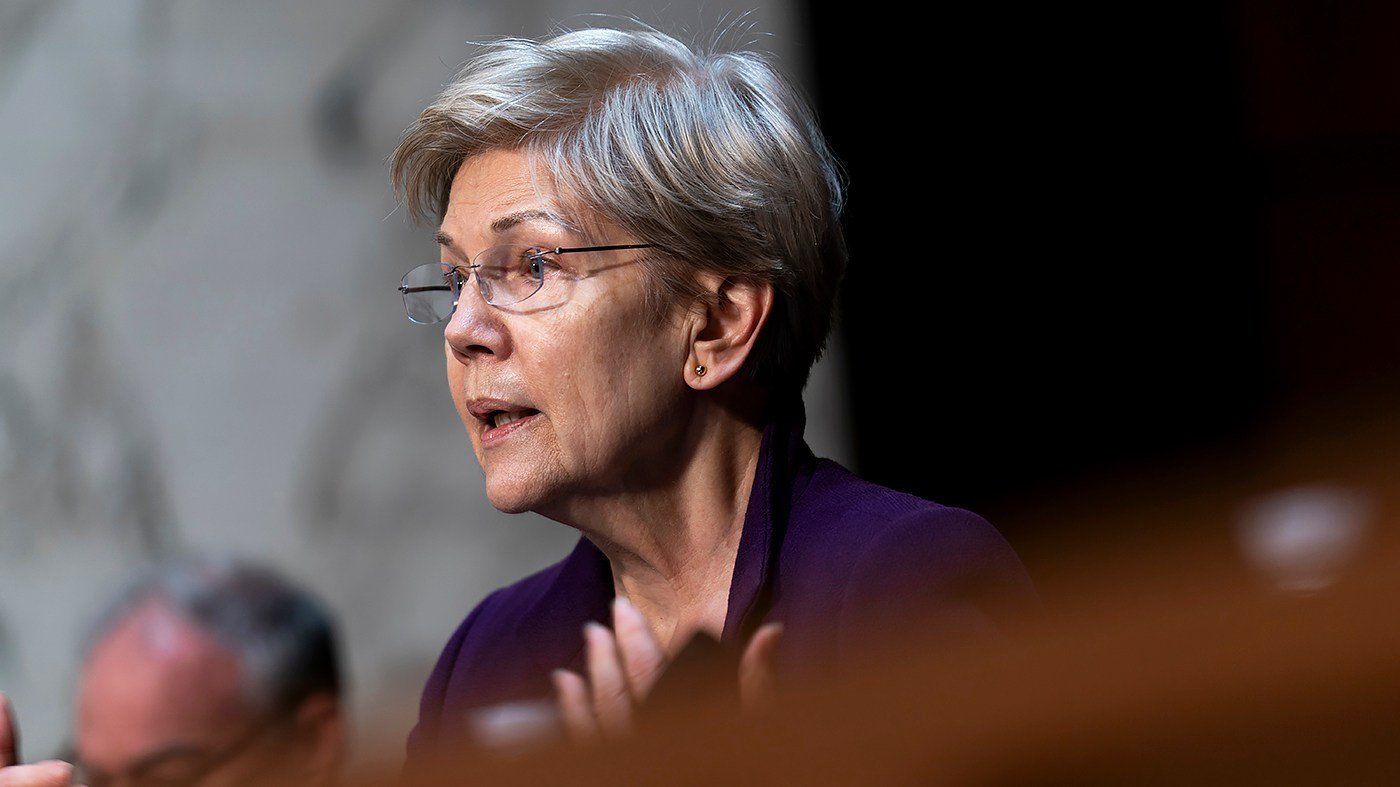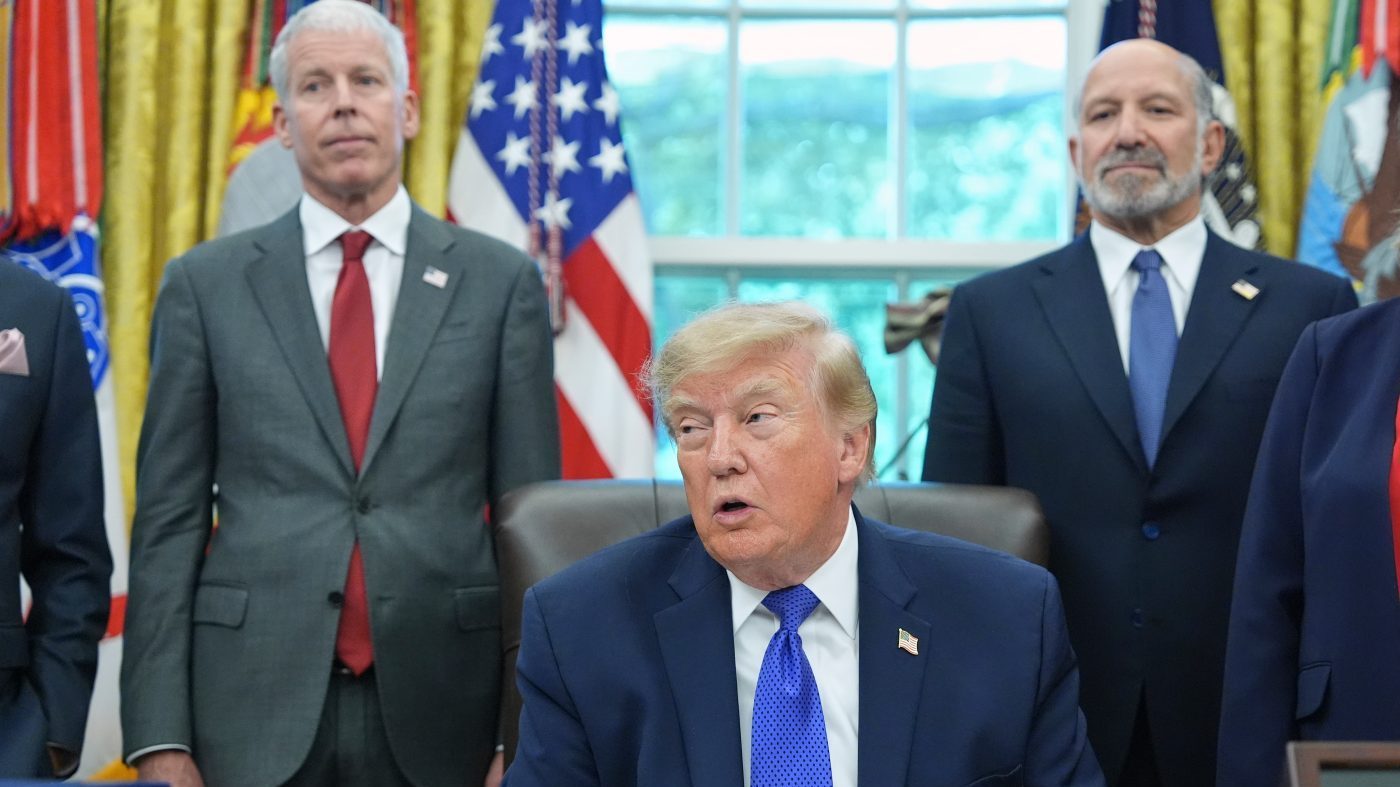
President Trump announced Wednesday that South Korea will invest up to $200 billion in U.S. energy infrastructure, a move he framed as a major win for American energy dominance and a key component of a broader trade agreement between Washington and Seoul.
Speaking from the Oval Office, Trump said the investment package includes a natural gas pipeline in Alaska, a natural gas plant in Texas, and eight new nuclear power plants across the country. The deal is part of a trade agreement in which the U.S. will reduce South Korea's tariff rate to 15 percent in exchange for hundreds of billions of dollars in South Korean investment.
The Alaska pipeline project, known as Alaska LNG, would transport liquefied natural gas and is expected to receive a $54 billion investment from Korea. The White House described it as the largest proposed energy infrastructure project in U.S. history. The 807-mile pipeline is designed to move gas from Alaska's North Slope to an export terminal, where it can be shipped to Asian markets.
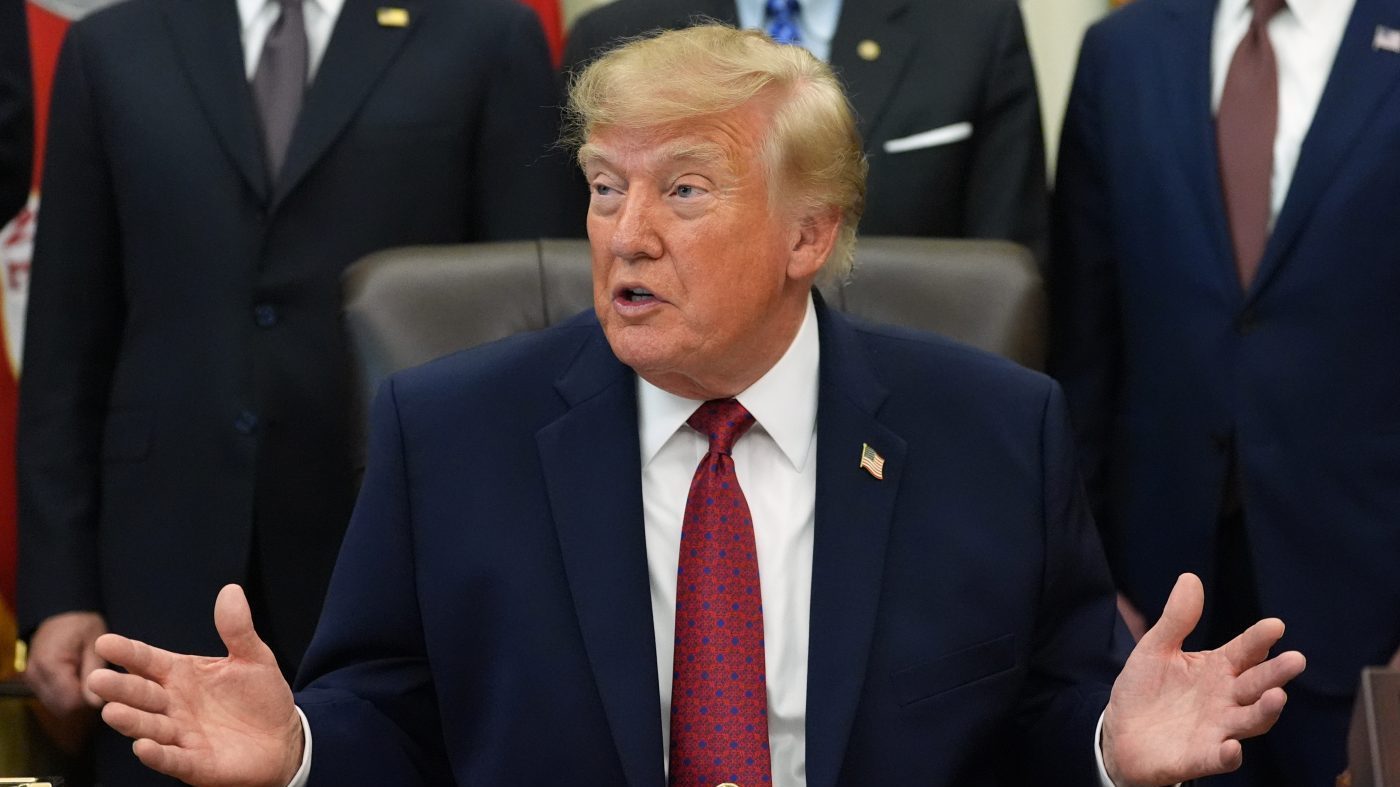
Trump touted the pipeline as a way to expand U.S. natural gas exports. "The United States is already the largest natural gas producer and exporter in the world, and this pipeline will help us expand those exports even further," he said.
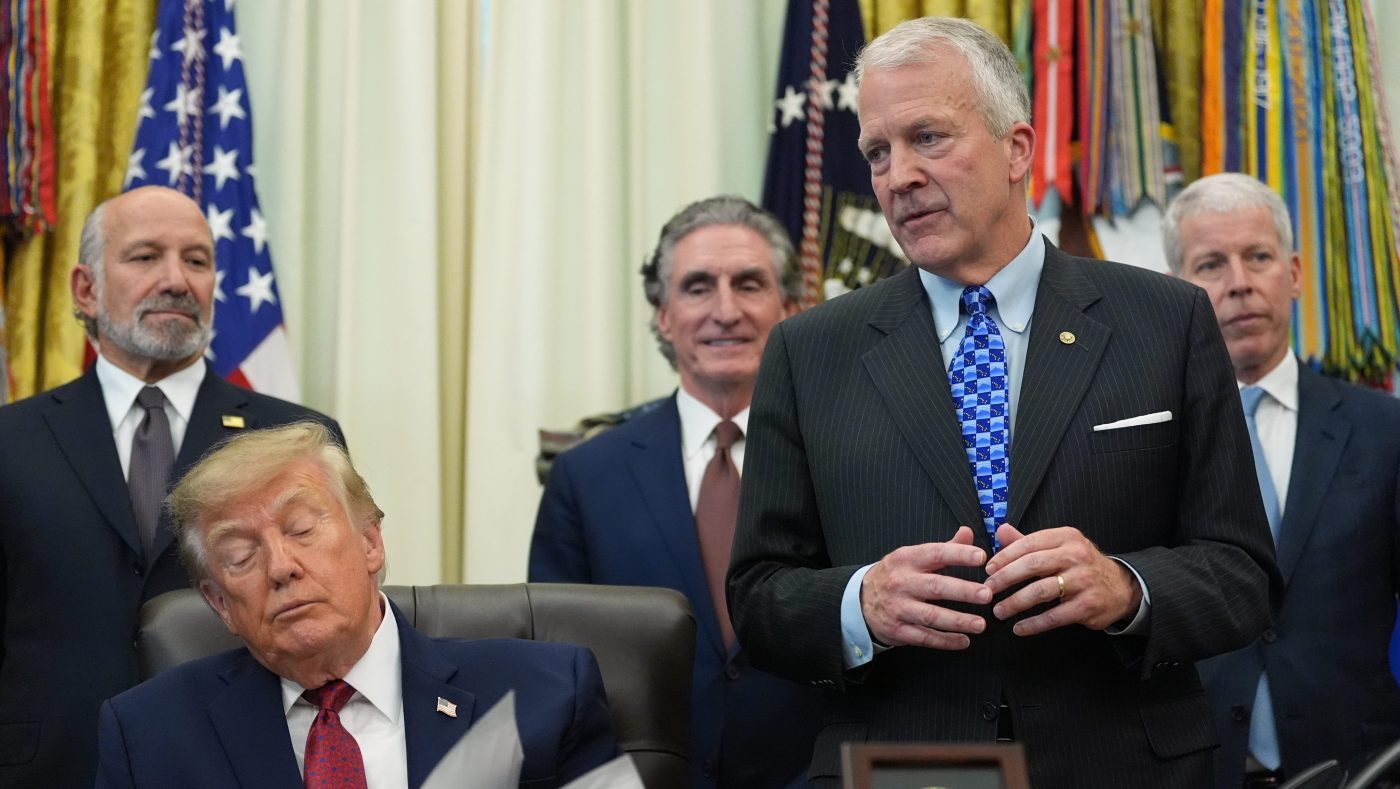
The president also highlighted the involvement of Alaska Sen. Dan Sullivan, a Republican who is running for reelection against several candidates, including former Rep. Mary Peltola, a Democrat. Trump's remarks appeared to boost Sullivan's profile in a competitive race. The announcement comes as the administration seeks to bolster energy ties with allies in the Indo-Pacific.
The trade agreement with South Korea is part of a broader push by the Trump administration to rebalance trade relationships and secure investment commitments from key partners. South Korea is a major buyer of U.S. energy and a critical ally in the region.
While the deal is expected to create jobs and stimulate economic activity, it may face hurdles in Congress and among environmental groups concerned about fossil fuel expansion. The nuclear power plants, however, could garner bipartisan support as part of a clean energy portfolio.
Trump's announcement also comes amid heightened political tensions, with the president recently warning of "fake" namesakes in the Alaska Senate race. The White House has not released further details on the timeline or specific locations for the nuclear plants.
For more on the political implications of the Alaska LNG deal, see our coverage of Trump's boost to Sullivan. Additionally, the administration's energy agenda intersects with other policy priorities, such as AI regulation and immigration.