Senate Democrats on Wednesday blocked a bill aimed at addressing the rising electricity costs associated with data centers, dismissing the measure as ineffective and "toothless." The procedural vote, which needed 60 votes to advance, failed 57-43, despite the legislation having passed the House earlier this month with overwhelming bipartisan support.
The Ratepayer Protection Act, championed in the Senate by Republican Sen. Jon Husted of Ohio, would have encouraged states to adopt standards requiring tech companies to cover the additional electricity costs imposed by their data centers. However, the bill did not mandate such standards, a key point of contention for Democrats who argue it would likely result in no action.
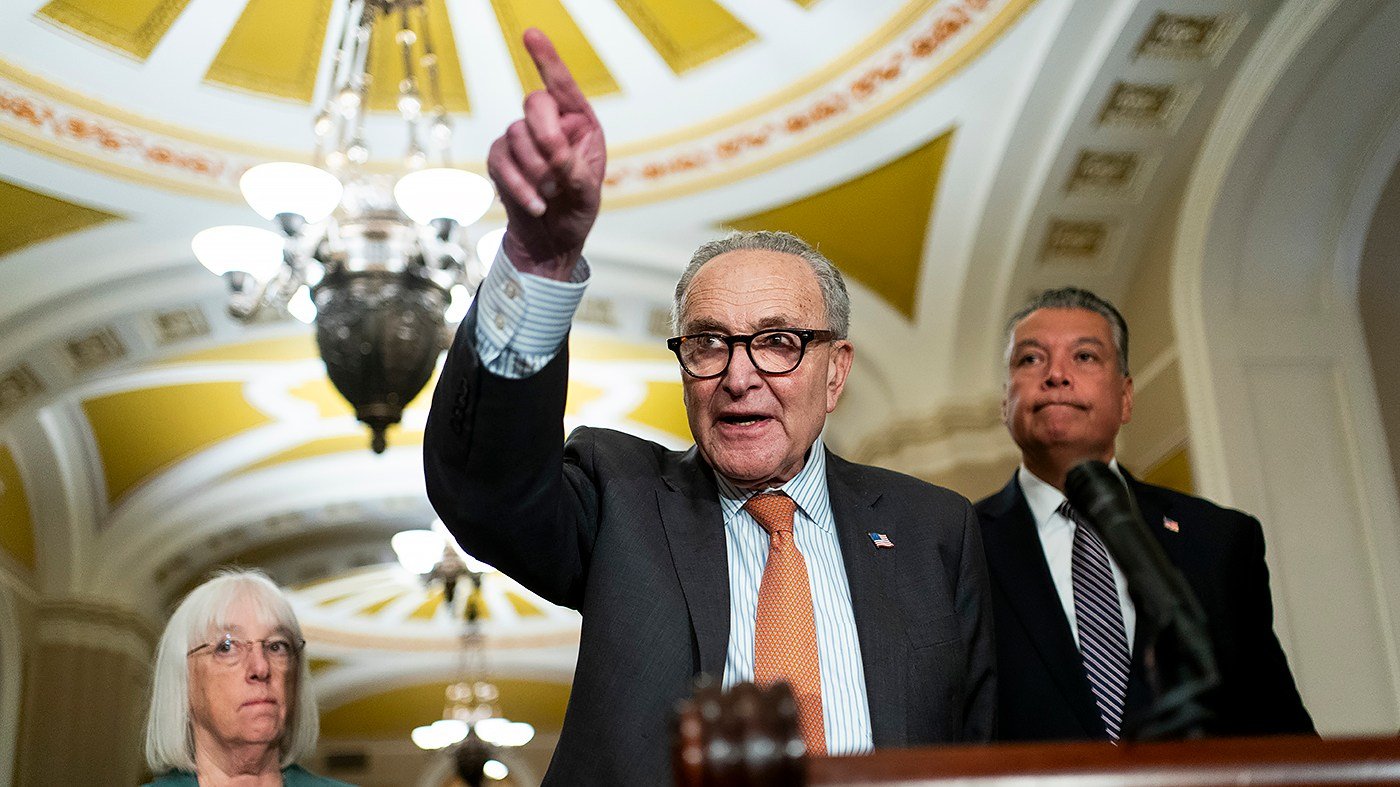
"Americans are demanding real guardrails on AI and data centers, but all the Republicans offer is a toothless messaging bill. The bill is a fraud. I can sum up the shortcomings of the Republican data center bill with one word: optional. The bill is optional," Senate Minority Leader Chuck Schumer said on the floor Tuesday.
Supporters of the legislation countered that while it would not solve the entire problem, it could spur states that have not yet acted to consider such standards. The bill passed the House 417-3, a rare display of bipartisanship on an issue that has become increasingly contentious.
The push comes as data centers face growing public backlash over their significant power demands and potential to drive up electricity rates for consumers. In Ohio, the issue has become a political liability for Husted, who faces a tough reelection fight. His opponent, former Democratic Sen. Sherrod Brown, has criticized Husted as "the point man to bring these data centers to Ohio" during his time as lieutenant governor. An internal memo from the National Republican Senatorial Committee reportedly described data centers as "the anchor hanging around Husted's neck."
Despite the setback, senators appear ready to revisit the issue. Bipartisan permitting reform legislation unveiled Wednesday includes provisions that would require data center developers to pay for excess costs, according to lawmakers. Sen. Mike Lee of Utah particularly credited Husted for the inclusion of those provisions.
The fight over data center costs is part of a broader debate about the balance between technological growth and consumer protection. As the demand for artificial intelligence and cloud computing surges, the energy footprint of data centers has become a flashpoint in state and federal politics. The data center debate often pits economic development against ratepayer concerns, a tension that is unlikely to dissipate soon.
The failed vote also highlights the legislative gridlock in the Senate, where procedural hurdles often stymie even popular measures. The House's overwhelming approval of the Ratepayer Protection Act contrasts sharply with the Senate's inability to advance it, underscoring the challenges of bipartisan cooperation in a narrowly divided chamber.
As the 2024 election cycle heats up, the data center issue could become a rallying point for both parties. Democrats are likely to continue pushing for mandatory cost-sharing, while Republicans may frame the debate as a matter of state flexibility and economic growth. For now, the fate of the Ratepayer Protection Act remains uncertain, but the issue is far from settled.