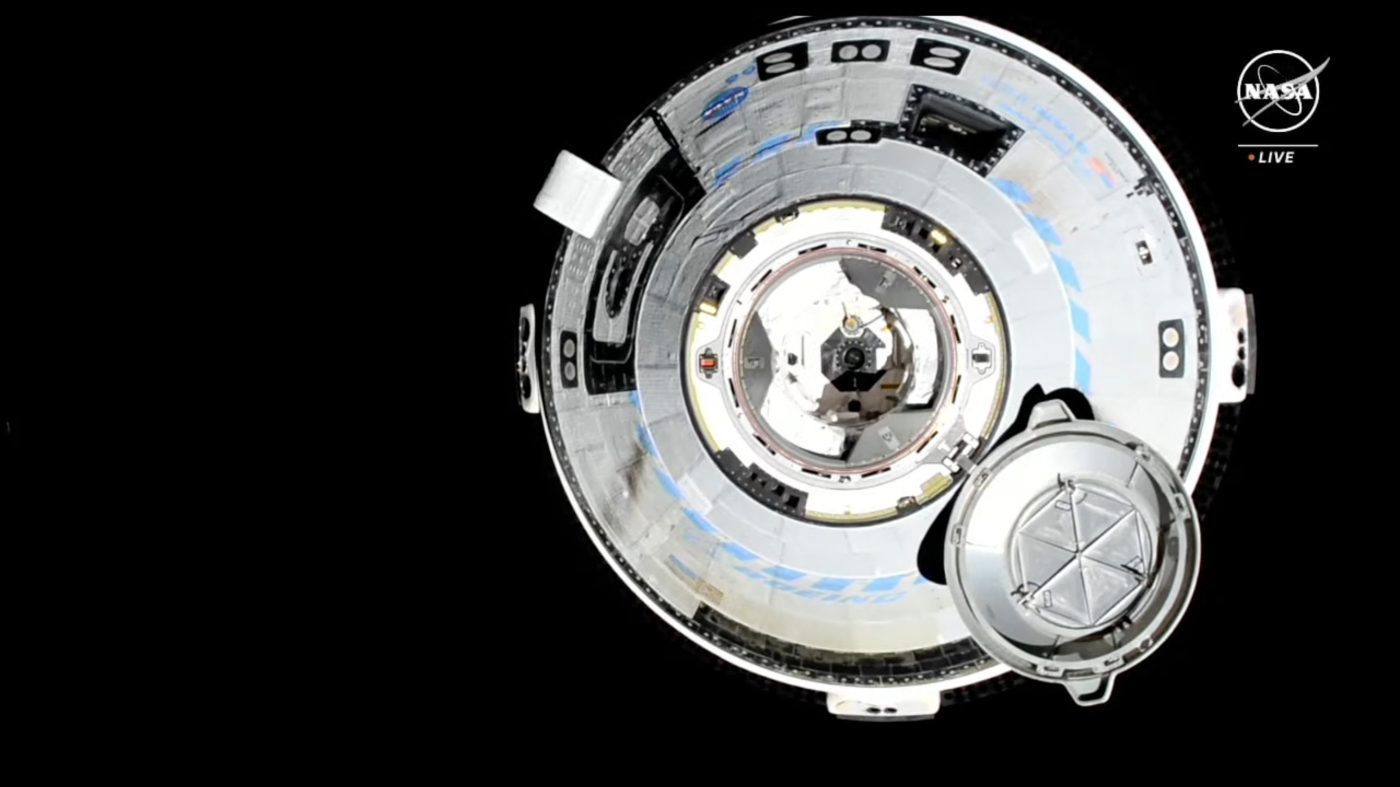
NASA is moving forward with Boeing's Starliner program, scheduling an uncrewed test flight for December despite the capsule's troubled history. The decision comes after a crewed mission earlier this year ended with astronauts stranded on the International Space Station for nine months.
NASA Administrator Jared Isaacman announced the agency will provide additional funding and technical support for the project, which he classified as a "Type A mishap" — the most severe category of failure. The new mission, designated Starliner-2, will carry cargo to the ISS and is set to launch no earlier than December.

Astronauts Won't Fly Until 2028
NASA has made clear that no astronauts will ride Starliner until at least 2028, as engineers work through a series of safety redesigns expected to take months or even years. Astronaut Woody Hoburg will command the uncrewed mission, though NASA has not yet named the other crew members.
The previous crewed test flight, which launched in June, was supposed to last eight to ten days. But issues with helium leaks and the failure of five reaction control system thrusters forced an extended stay for astronauts Butch Wilmore and Suni Williams. While Starliner reached the ISS safely, NASA judged it too risky to bring the crew home.
Instead, the capsule returned to Earth without passengers, and Wilmore and Williams eventually came back aboard a SpaceX Dragon capsule. The incident left Starliner grounded as NASA and Boeing investigated the root causes.
Repairs and Costs
Planned fixes include replacing seals to prevent helium leaks and developing a process to address corrosion in the RCS thrusters that contributed to the failures. NASA's goal has been to maintain two independent U.S. systems for transporting astronauts to and from the ISS, but Starliner's problems have left the agency reliant on SpaceX — a reliance that is set to end by 2030.
The ISS itself is scheduled for deorbit in 2031, though private companies are developing commercial orbital stations that will need reliable crew transport. Fixing Starliner will cost NASA $359 million, but it could provide a new option as SpaceX pivots to its Starship vehicle, which is too large for traditional docking and focused on Mars missions.
The upcoming uncrewed flight is seen as a critical test for Boeing's ability to recover from the setback. NASA and Boeing have previously outlined their path forward after the crewed test failures, and this December mission will be a key milestone.
Meanwhile, the agency's broader spaceflight operations continue, including plans to honor recent moon crew members and connect with ISS astronauts. The Starliner situation also highlights the fragility of U.S. space infrastructure, as seen in other recent disruptions like the fiber cable cut that caused flight chaos in the Northeast.
For now, all eyes are on December, when Starliner will attempt to prove it can safely reach the ISS — this time without a crew on board.