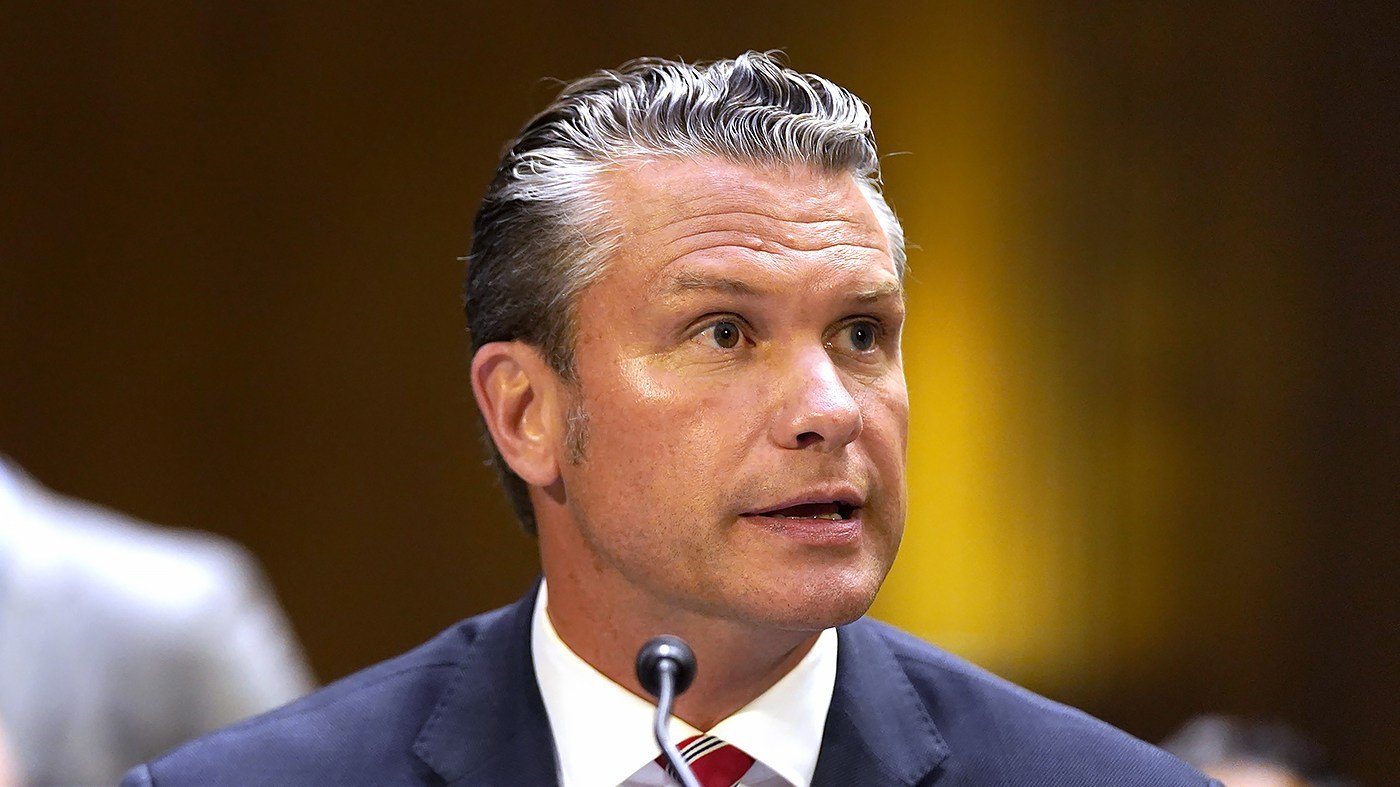
Defense Secretary Pete Hegseth is set to deliver his annual State of the Force address on Wednesday, using the platform to unveil a sweeping reorganization of the Pentagon's senior leadership. The speech, scheduled for 3 p.m. EDT at Marine Corps Base Quantico in Virginia, comes amid a broader push by the Trump administration to reshape the military's upper ranks.
According to defense officials familiar with the plans, Hegseth will announce a 20% cut in the number of general and admiral billets—doubling the reduction he ordered last year. This move is part of a larger effort to streamline command structures and reduce what he has called "bloat" at the top of the armed forces.
The announcement builds on earlier restructuring efforts that have already trimmed senior officer positions. Hegseth has also moved to freeze tenure for civilian faculty at military academies, a step he argues will increase flexibility and accountability in military education.
In a related development, Hegseth last week directed the department to strengthen its election integrity measures, instructing the Pentagon to deploy "advanced intelligence and cyber capabilities to track down, disrupt and neutralize foreign actors" ahead of the 2026 midterm elections. That directive has drawn both praise from conservatives and concern from civil liberties advocates, who worry about the military's role in domestic election security.
The State of the Force address is a key moment for Hegseth to articulate his vision for the military under the Trump administration. He is expected to emphasize readiness, modernization, and a shift toward great-power competition, particularly with China and Russia.
Critics, however, argue that cutting senior officer positions could hamper operational effectiveness and morale, especially at a time when the military faces recruitment challenges and global security threats. Supporters counter that the reductions will eliminate redundancy and speed decision-making.
Hegseth's tenure at the Pentagon has been marked by aggressive reforms, including halting new tenured civilian hires at the academies and pushing for a more combat-focused culture. His latest moves align with the administration's broader agenda to reduce the federal bureaucracy and assert civilian control over the defense establishment.
The address will be streamed live, and defense analysts will be watching for specifics on how the cuts will be implemented, including which commands will be affected and the timeline for the reductions. Hegseth is also expected to outline new investments in cyber, space, and missile defense capabilities.
As the Pentagon undergoes this transformation, the balance between efficiency and readiness remains a central debate. The coming months will test whether Hegseth's vision can deliver a leaner, more agile military without sacrificing its edge.