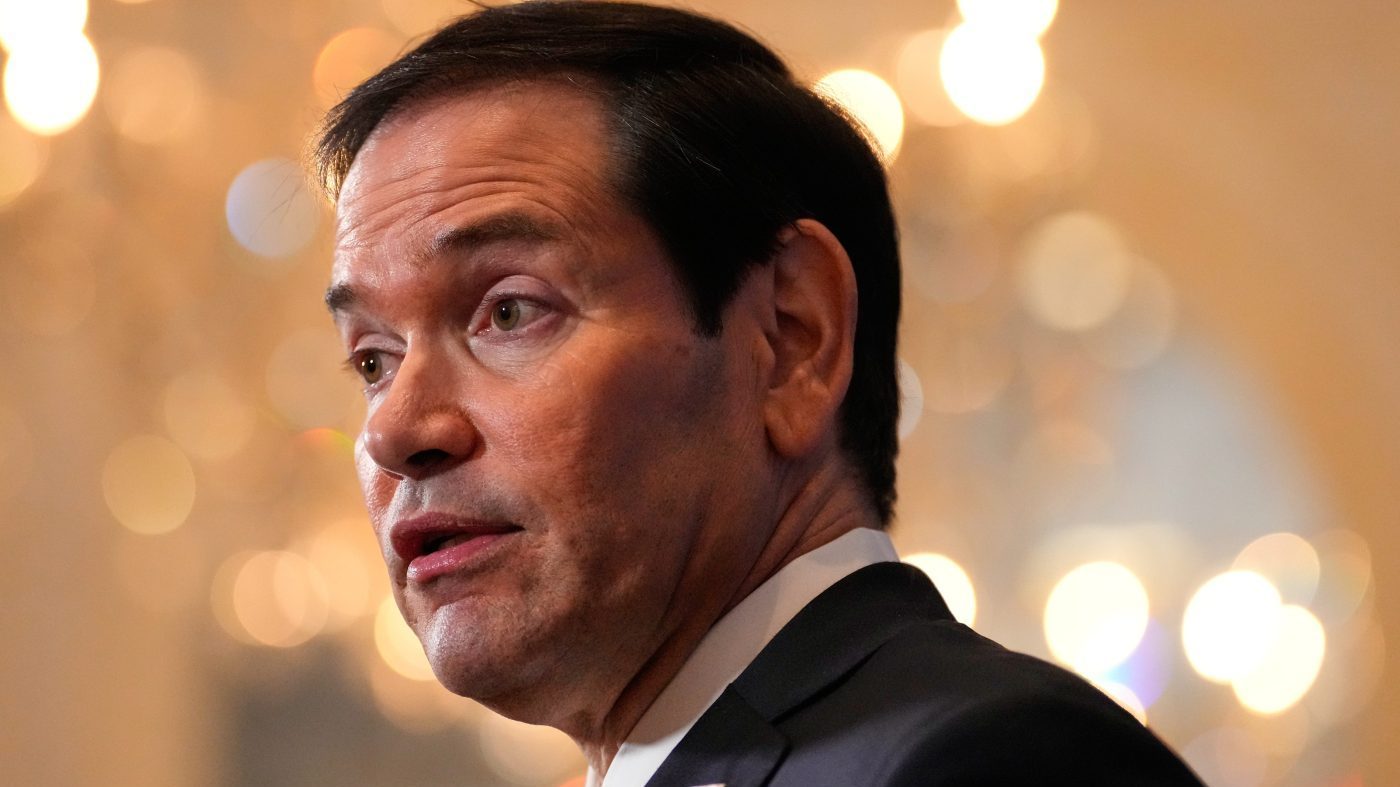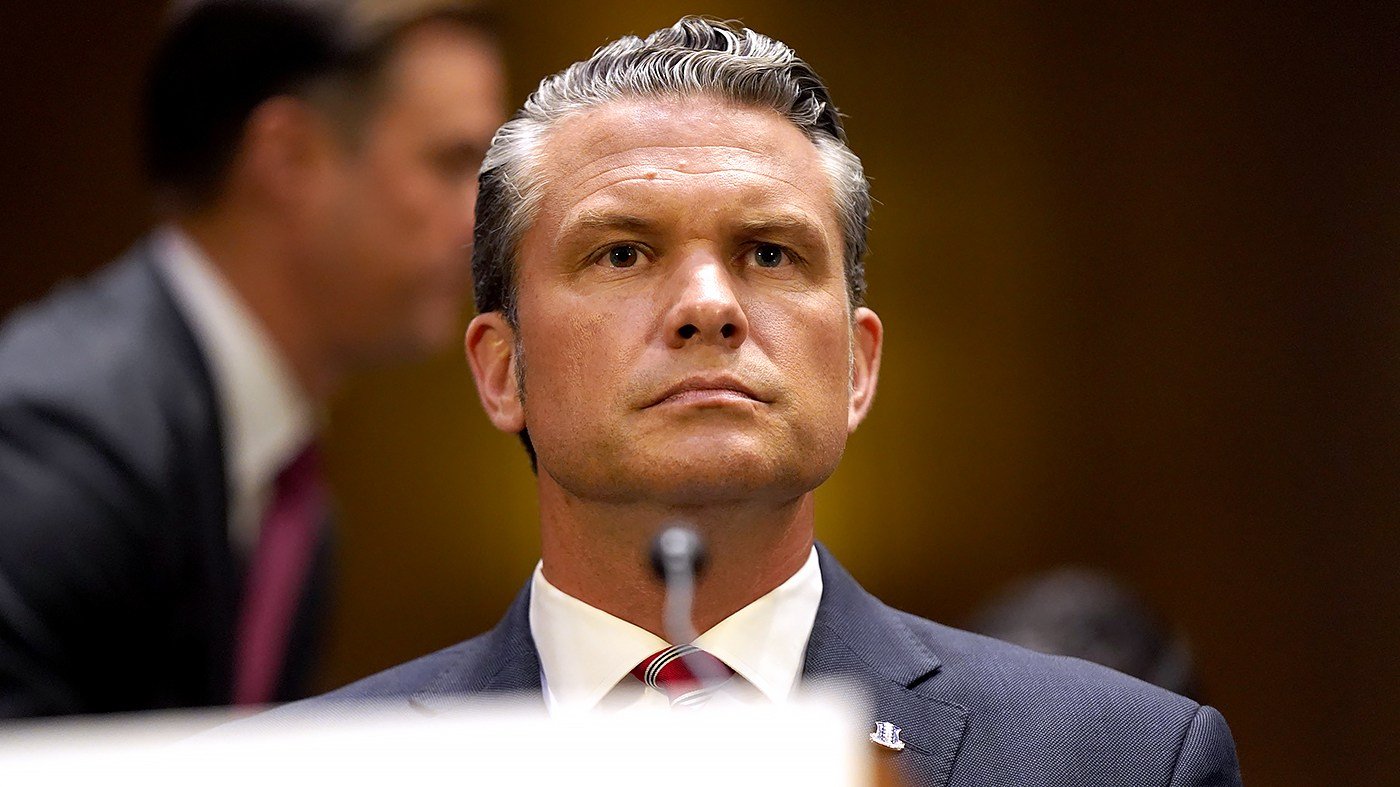
Defense Secretary Pete Hegseth on Tuesday ordered a freeze on new appointments of civilian faculty to tenured positions at the U.S. military service academies, directing officials to draft hiring plans that emphasize “institutional flexibility and faculty contribution to the warfighting mission.”
In a one-page memo titled “Refocusing the Military Service Academies on Warfighter Education,” Hegseth argued that the primary purpose of the academies is to prepare officers for combat leadership, and that civilian academic norms have diluted that focus. “To ensure our educational institutions remain firmly focused on this warfighting mission, we must address the structural mechanisms that have allowed civilian academic norms to dilute our focus on lethality,” he wrote.
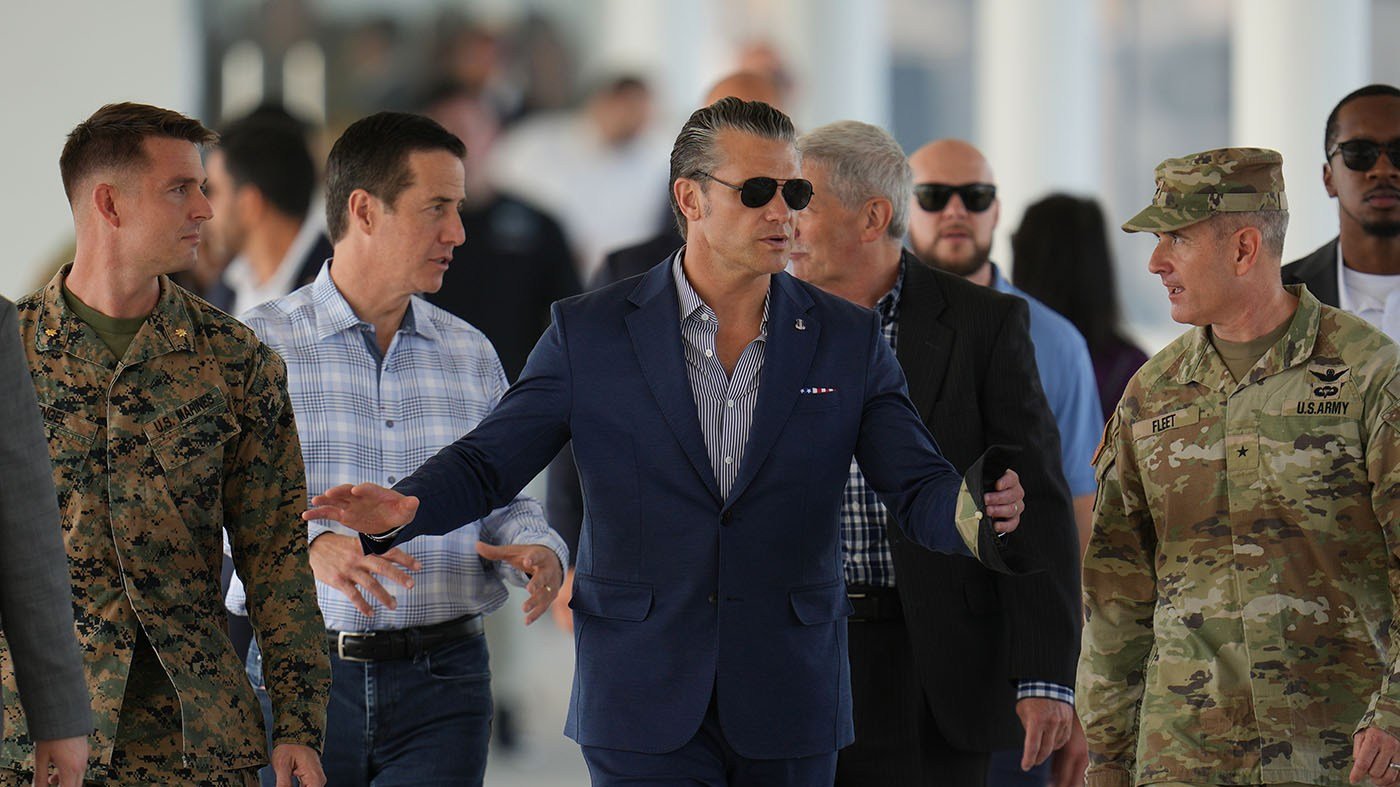
The memo contends that granting tenure to civilian faculty “often leads to academic stagnation, faculty complacency and institutional inability to adapt to emerging needs.” Hegseth added that it “contributes to curriculum that drifts from the mission of educating our warfighters to the research priorities of the tenured academics.”
The directive, first reported by CBS News in July as a possibility, applies to the five federal service academies: West Point in New York, the U.S. Naval Academy in Maryland, the Air Force Academy in Colorado, the Coast Guard Academy in Connecticut, and the Merchant Marine Academy in New York. The Coast Guard Academy falls under the Department of Homeland Security, while the Merchant Marine Academy is overseen by the Department of Transportation’s Maritime Administration.
It remains unclear whether currently tenured faculty will be affected by the order. According to academy data, West Point’s faculty is 27 percent civilian. The Naval Academy employs 217 tenured civilian professors and 67 on the tenure track. The Air Force Academy has previously stated that roughly 70 percent of its instructors are military and 30 percent civilian.
The freeze is the latest step in Hegseth’s broader campaign to reshape professional military education. During his confirmation hearing last year, he said he wanted to remove “woke” civilian professors and replace them with uniformed personnel. “We need more uniformed members going back into West Point, the Air Force Academy, the Naval Academy as a tour to teach with their wisdom of what they’ve learned in uniform instead of just more civilian professors that came from the same left-wing, woke universities that they left and then try to push that into service academies,” he said.
Earlier this year, Hegseth established a task force led by Anthony Tata, undersecretary of Defense for personnel and readiness, to review U.S. war colleges for effectiveness and focus on national security issues. The review covers the Army War College, National Defense University, the Naval War College, Marine Corps University, and the Air War College. “We want military leaders who are critical thinkers that have studied the principles on which our founding fathers established this republic, and that are educated and prepared to win wars,” Hegseth said in March.
The hiring freeze is part of a series of personnel and structural changes at the Pentagon under Hegseth, including a plan to cut senior officer positions by 20 percent and a new board to sharpen homeland defense. Critics have warned that such moves could politicize the military and undermine its effectiveness, a concern echoed in reporting on the Pentagon’s fear of dissent.