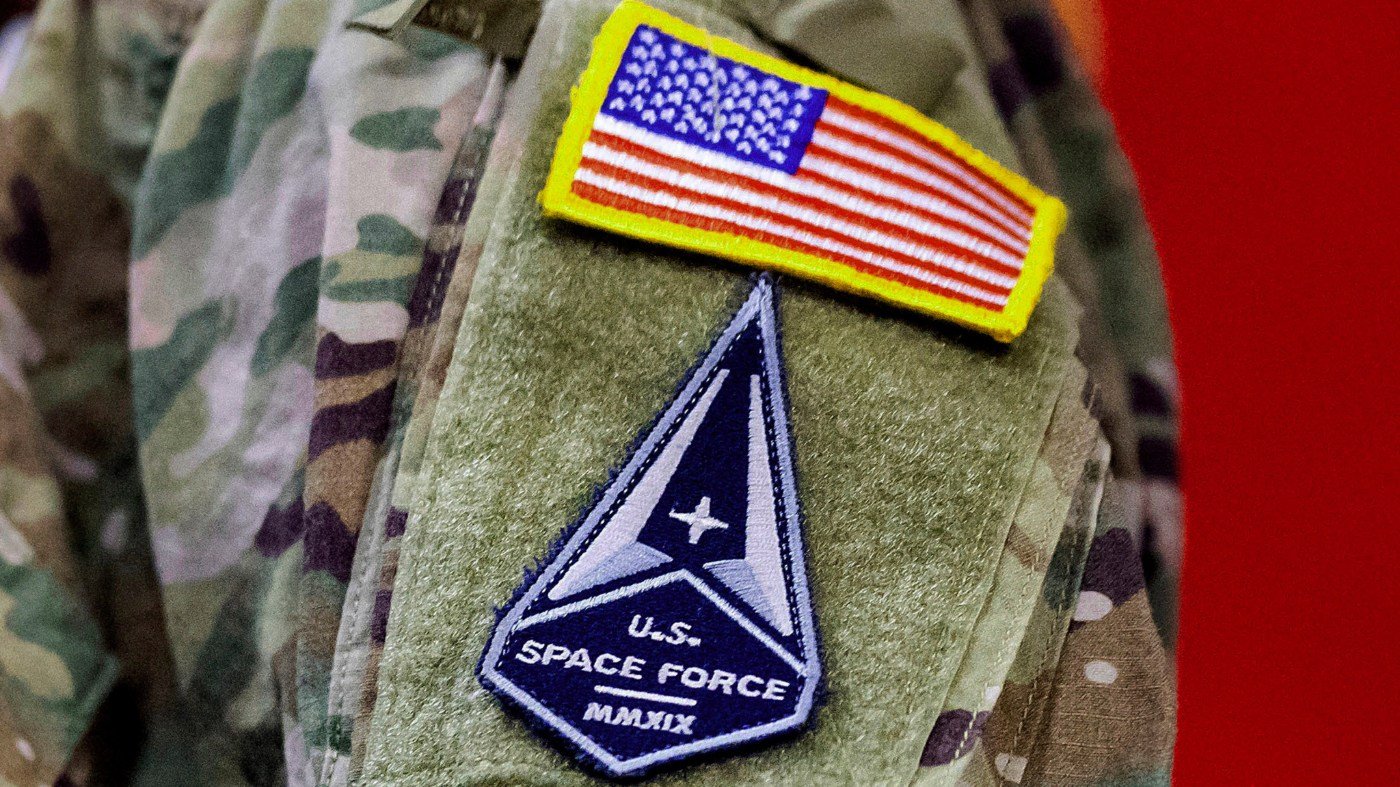
Defense Secretary Pete Hegseth has created a new advisory panel dedicated to homeland defense, marking the first Pentagon committee of its kind. The Homeland Defense Board (HDB) was formally announced in the Federal Register on September 11, with its charter documents describing a critical gap in the advice available to the secretary on defending the U.S. homeland.
The board's establishment documents argue that the security environment has grown more dangerous over the past decade, with threats from peer competitors, near-peer adversaries, rogue states, and non-state actors becoming “more intense and complex.” The panel is tasked with providing “critical, independent assessments” of the Pentagon’s defensive posture in the Western Hemisphere and its readiness for domestic security missions.
According to the charter, existing federal advisory committees are not suited to this role. The Department of Homeland Security’s advisory council, for instance, is limited to civilian law enforcement, border management, and emergency response, and lacks the authority to advise on military deployments under Title 10 or Title 32. Similarly, the State Department’s International Security Advisory Board focuses on diplomacy and arms control, leaving it “unequipped” to evaluate military campaign plans in the Americas.
The Pentagon also argues that relying solely on internal staff or contracted studies is insufficient, as it “fails to provide the consensus-based, independent, and external peer review required at the highest levels of strategic decision-making.” Without the new board, the documents warn, the department “risks strategic blind spots in its primary mission to protect the Homeland.”
The creation of the HDB follows Hegseth’s sweeping purge of all members of existing Pentagon advisory panels in March 2025. He ordered a “zero-based review” of the roughly 40 committees to assess alignment with Trump administration priorities. That review, completed in May, recommended terminating 14 panels, including the 75-year-old Defense Advisory Committee on Women in the Services, which Hegseth accused of “advancing a divisive feminist agenda.”
The new board will have 20 members, described as “eminent authorities” in homeland defense, military strategy, defense support of civil authorities, interagency integration, critical infrastructure, cybersecurity, and Western Hemisphere policy. Hegseth will serve as chair, with the assistant secretary of defense for homeland defense and Americas security affairs as vice chair. The membership includes deputy assistant secretaries for homeland defense and defense continuity, plus one civilian and one field-grade or mid-grade officer from each military branch.
The board’s launch comes amid significant military activity on U.S. soil and near its borders. More than 3,000 National Guard troops are currently deployed in Washington, D.C., to support law enforcement, while ongoing operations continue at the U.S.-Mexico border and strikes against suspected drug-carrying vessels around Central and South America.
There are also growing concerns that President Trump could use federalized National Guard forces around polling places ahead of the November midterm elections, despite federal laws prohibiting such actions. NPR reported last week on these fears, which add urgency to the new panel’s focus on domestic military roles.
The HDB is expected to meet regularly and provide Hegseth with independent, cross-agency perspectives on how the Pentagon can better defend the homeland against evolving threats. Its creation signals a renewed emphasis on military preparedness within U.S. borders, a shift that could reshape how the Defense Department approaches domestic security challenges.