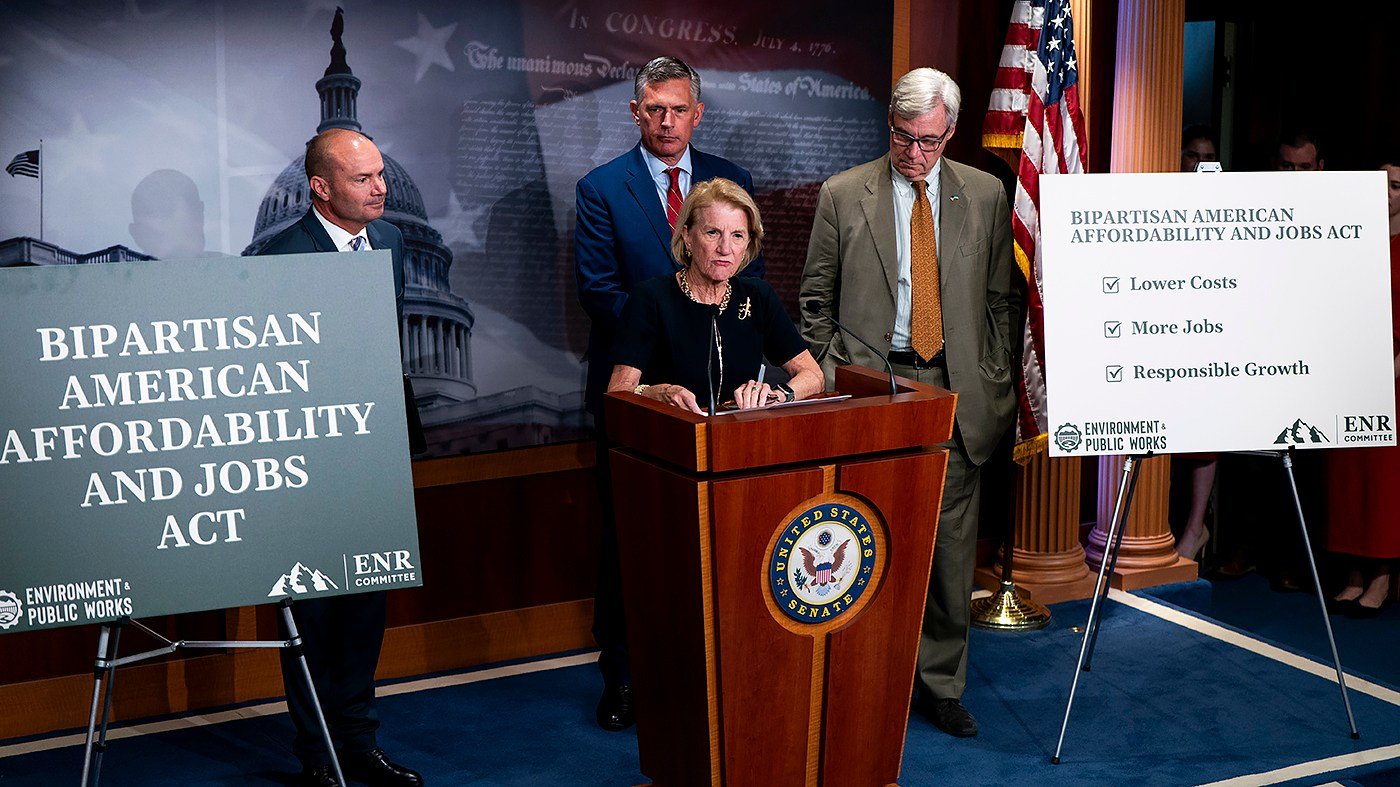
After months of closed-door negotiations, a bipartisan group of senators has unveiled a long-awaited agreement to accelerate the development of energy and infrastructure projects across the country. The deal, announced Wednesday, also seeks to address the growing financial strain that data centers place on the electricity grid.
The compromise was brokered by Sens. Shelley Moore Capito (R-W.Va.), Mike Lee (R-Utah), Sheldon Whitehouse (D-R.I.), and Martin Heinrich (D-N.M.). Lawmakers expect to bring the measure to a vote during the post-election lame-duck session, a timeline that adds urgency to the push.
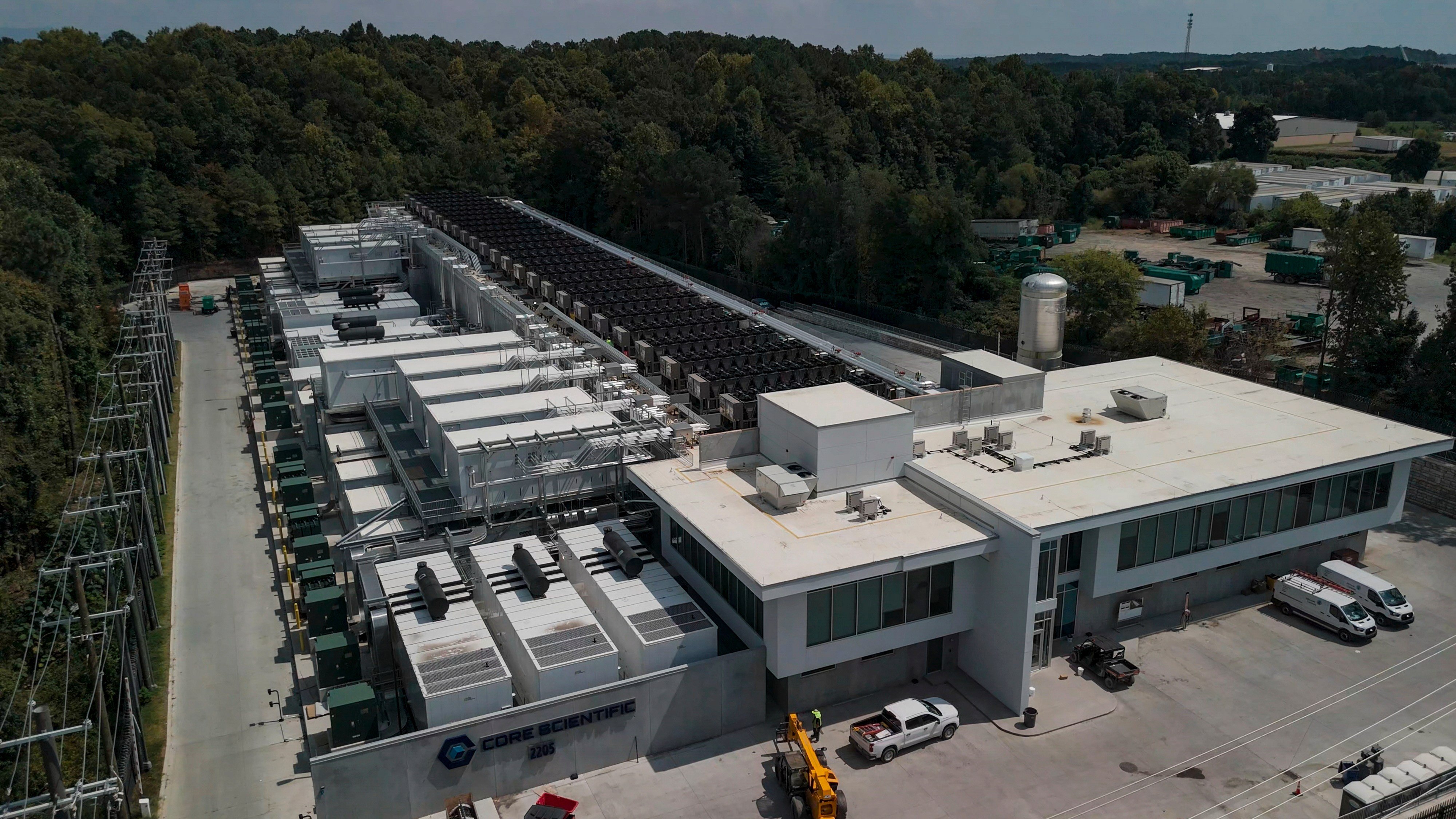
At a press conference Wednesday, Heinrich said the legislative text includes provisions that would require data centers to bear the costs of their increased electricity demand, rather than shifting those expenses onto ratepayers. This marks a significant step in a broader debate over who should pay for the energy-intensive infrastructure that powers cloud computing and artificial intelligence.
Capito emphasized that the bill includes “comprehensive reforms” to the environmental review and permitting processes under the National Environmental Policy Act (NEPA). Business groups have long criticized NEPA’s lengthy reviews as a major bottleneck for infrastructure projects, while environmental advocates argue the law is essential for safeguarding communities and natural resources.
The negotiations also touched on the contentious issue of renewable energy development under the Trump administration. Whitehouse noted that the question of “returning to regular order for wind and solar projects” remains unresolved, but he said the administration has presented a “very reasonable opening proposal” that could serve as a basis for further talks.
The deal comes as lawmakers face mounting pressure to modernize the nation’s energy grid and streamline project approvals. The issue has gained traction in recent months, with Senate Democrats blocking a separate bill on data center ratepayer protections earlier this year, highlighting the political sensitivities around the issue.
While the agreement represents a rare instance of bipartisan cooperation on a contentious policy area, significant hurdles remain before it becomes law. The lame-duck session is expected to be crowded with other legislative priorities, and the details of the NEPA reforms will likely face scrutiny from both environmental groups and industry stakeholders.
Observers note that the outcome could have major implications for the pace of energy infrastructure development, as well as for the broader political landscape. The ability to strike a deal on permitting could bolster the reputations of the senators involved, particularly as they navigate an increasingly polarized Congress.
As the legislative process moves forward, all eyes will be on whether the compromise can hold together and whether the Trump administration’s engagement on renewable energy will translate into concrete progress. For now, the announcement marks a notable step in a years-long effort to update the nation’s infrastructure approval system.