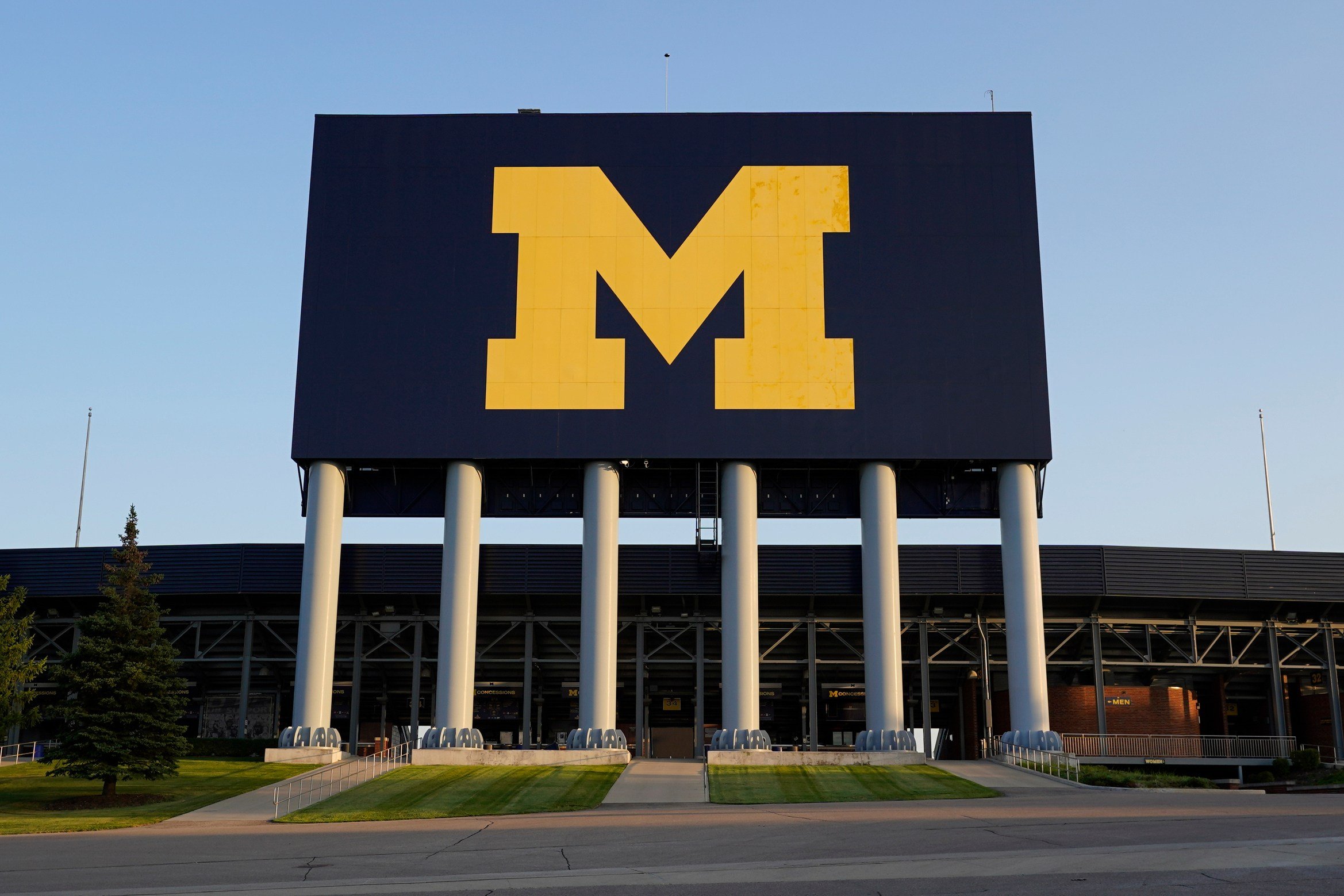
The University of Michigan has put the brakes on a contentious proposal to eliminate traditional letter grades for incoming freshmen, following a wave of criticism from faculty, alumni, and outside observers who argued the move signaled a retreat from academic rigor.
Under the plan, first-year students in the College of Literature, Science, and the Arts would have received only a “pass” or “no credit” designation on their transcripts starting in fall 2027. But university President Domenico Grasso announced Monday that the initiative would be suspended “to allow for further input, analysis, and discussion.”

In a message to faculty, Grasso acknowledged that media coverage had “distorted narratives about our intentions and, most concerningly, about the academic strength and resilience of our students.” He added that the backlash could unfairly brand Michigan undergraduates as “coddled or unprepared for the demands of a rigorous Michigan education.”
The controversy erupted amid a broader national conversation about grade inflation and how universities assess student performance. Proponents of pass-fail systems argue they reduce stress and encourage exploration, while detractors contend they obscure achievement and complicate graduate school and employer evaluations.
The University of Michigan is not alone in experimenting with such a model. The Massachusetts Institute of Technology already uses a similar pass-fail framework for its first-year students. Yet the intensity of the pushback in Ann Arbor suggests that institutional trust and perceptions of academic quality remain deeply sensitive issues.
Grasso stressed that the pause is not a permanent retreat but rather a chance to engage stakeholders more thoroughly. “We need to ensure any changes reflect the values of our community and uphold the high standards our students have earned,” he said.
The decision comes as Michigan's political landscape remains closely watched, with education policy frequently emerging as a flashpoint in statewide races. Critics of the grading overhaul had warned that it could become a liability in the broader public perception of the university's academic standing.
Faculty members are split on the issue. Some support the concept as a modernizing step, while others see it as a capitulation to external pressures. The university has not announced a revised timeline for reconsideration, but Grasso indicated that further consultation would precede any future changes.
For now, the plan is officially on hold, and the university will continue to issue traditional letter grades for all undergraduate courses. The episode underscores how quickly pedagogical experiments can ignite political and cultural firestorms, especially at elite public institutions where every policy choice is scrutinized through the lens of competitiveness and accountability.