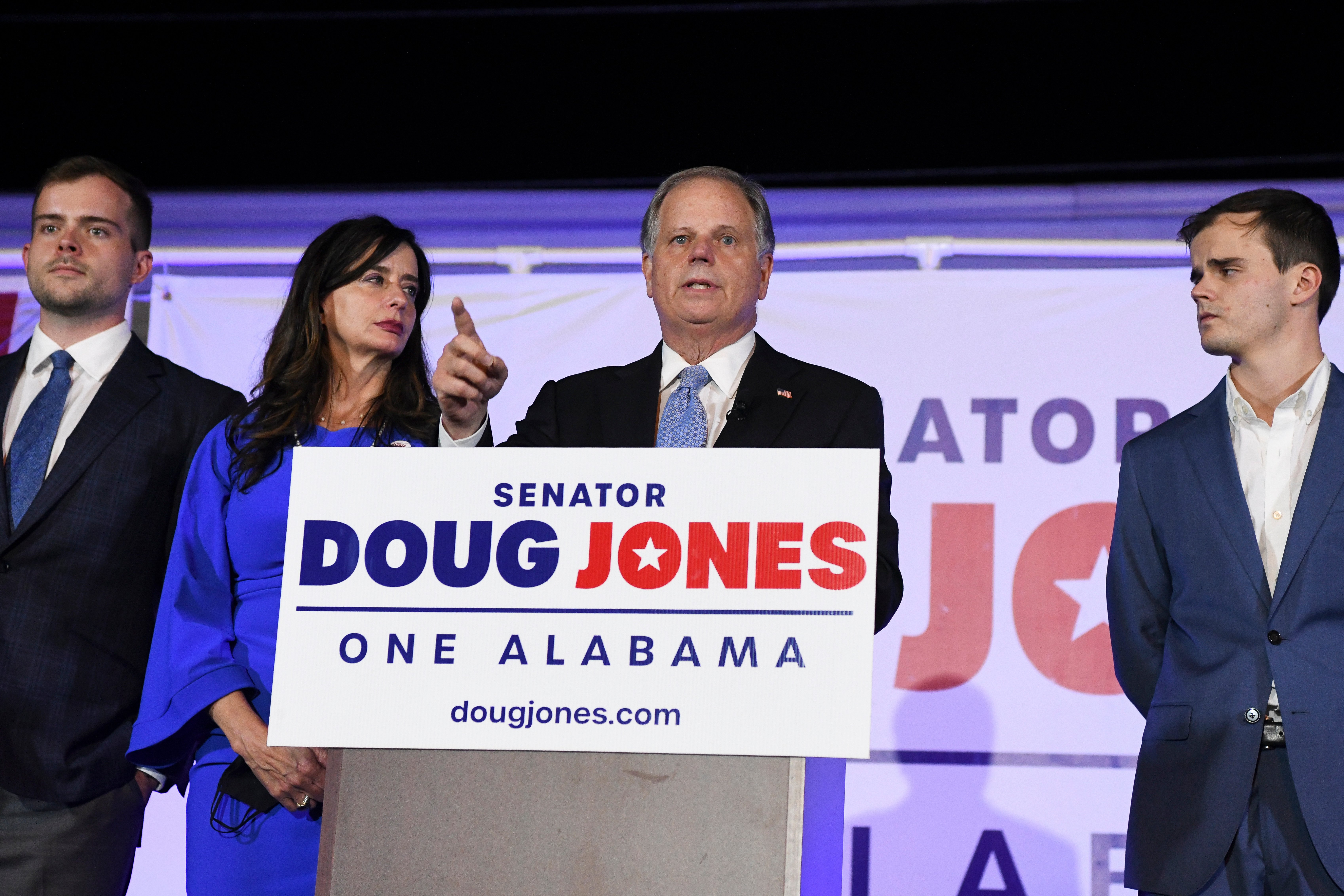
Alabama gubernatorial candidate Doug Jones (D) pushed back Sunday against Republican efforts to paint a wave of progressive primary victories as evidence that socialists and communists are taking over the Democratic Party, calling such rhetoric a "boogeyman" that avoids real policy debates.
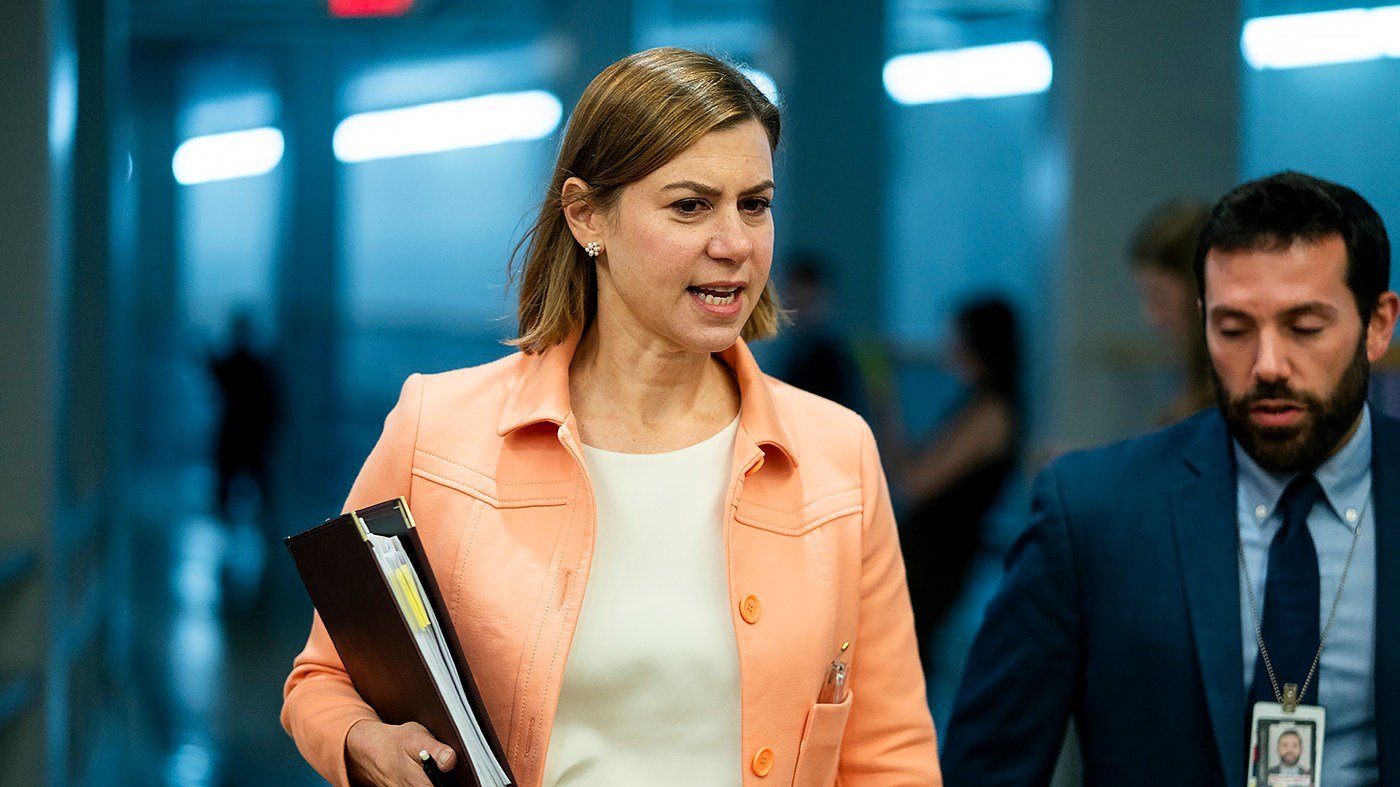
In an appearance on The Hill Sunday, the former senator said Republicans are "preaching to their own choir" when they label Democrats as far-left radicals. He argued that the narrative is partly a media creation, pointing to the same day that progressive Abdul El-Sayed won Michigan's Democratic Senate primary, voters in Kansas nominated Adam Hamilton, a Methodist minister, for the Senate.
Jones's comments come amid a summer in which left-wing candidates have scored several high-profile victories, including a trio of wins in New York City and the defeat of 15-term Colorado Rep. Diana DeGette by democratic socialist Melat Kiros in a Denver-based primary. Those results have fueled GOP attacks branding the party as increasingly extreme.
But Jones countered that the label doesn't stick across the board. He cited Hamilton, who will face Republican Sen. Roger Marshall in November, as well as Roy Cooper in North Carolina, Scott Colom in Mississippi, and Sen. Jon Ossoff (D-Ga.) as examples of Democratic candidates voters "cannot say" are socialists.
"It is just a boogeyman," Jones said, dismissing the characterization as a scare tactic rather than a substantive critique.
The messaging has seeped into Alabama's governor race, where Jones faces Sen. Tommy Tuberville (R-Ala.) in a rematch of their 2020 Senate contest, which Tuberville won by more than 20 points. Earlier this week, Tuberville called Jones a "communist" for supporting a complete overhaul of the state's school choice program.
Jones brushed off the attack, quipping that Tuberville's rhetoric is "the monster under the bed." He urged his opponent to shift focus to issues that matter to Alabamians, saying, "It's really kind of time for Tommy to get out of his pajamas and start talking about policy and what affects people with their gas prices, their electricity prices and Medicaid and health care in Alabama, which is a huge issue."
The exchange reflects a broader tension within the Democratic Party, as establishment figures struggle to respond to a socialist surge without a unified counter-message. Some party insiders worry the trend could jeopardize Democratic chances in upcoming elections, while others, like Jones, argue that such labels are overblown and fail to capture the diversity of the party's candidates.
Jones's dismissal of the "communist" label is consistent with his broader strategy of appealing to moderate voters in a state that has trended heavily Republican. As he campaigns against Tuberville, he has sought to focus on kitchen-table issues such as healthcare and energy costs, rather than ideological battles.