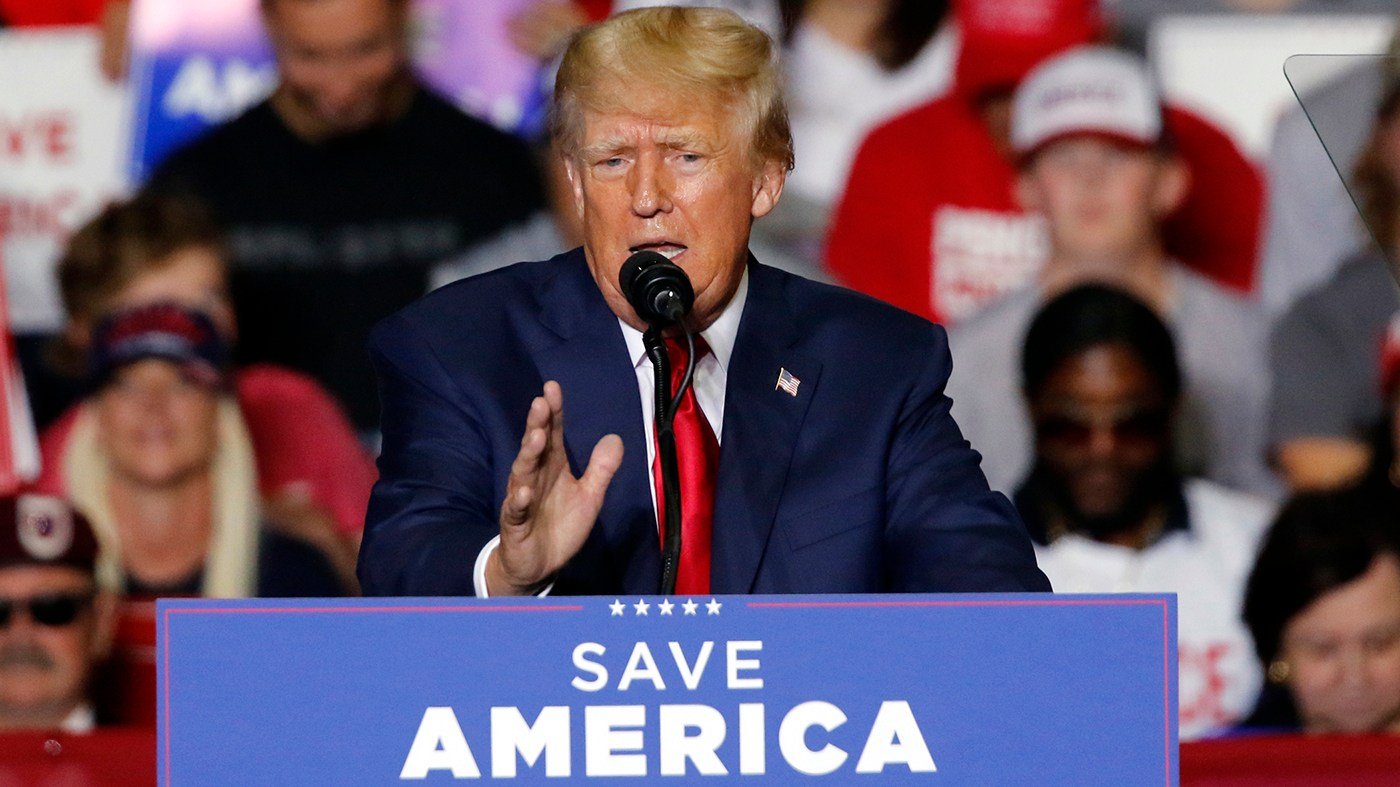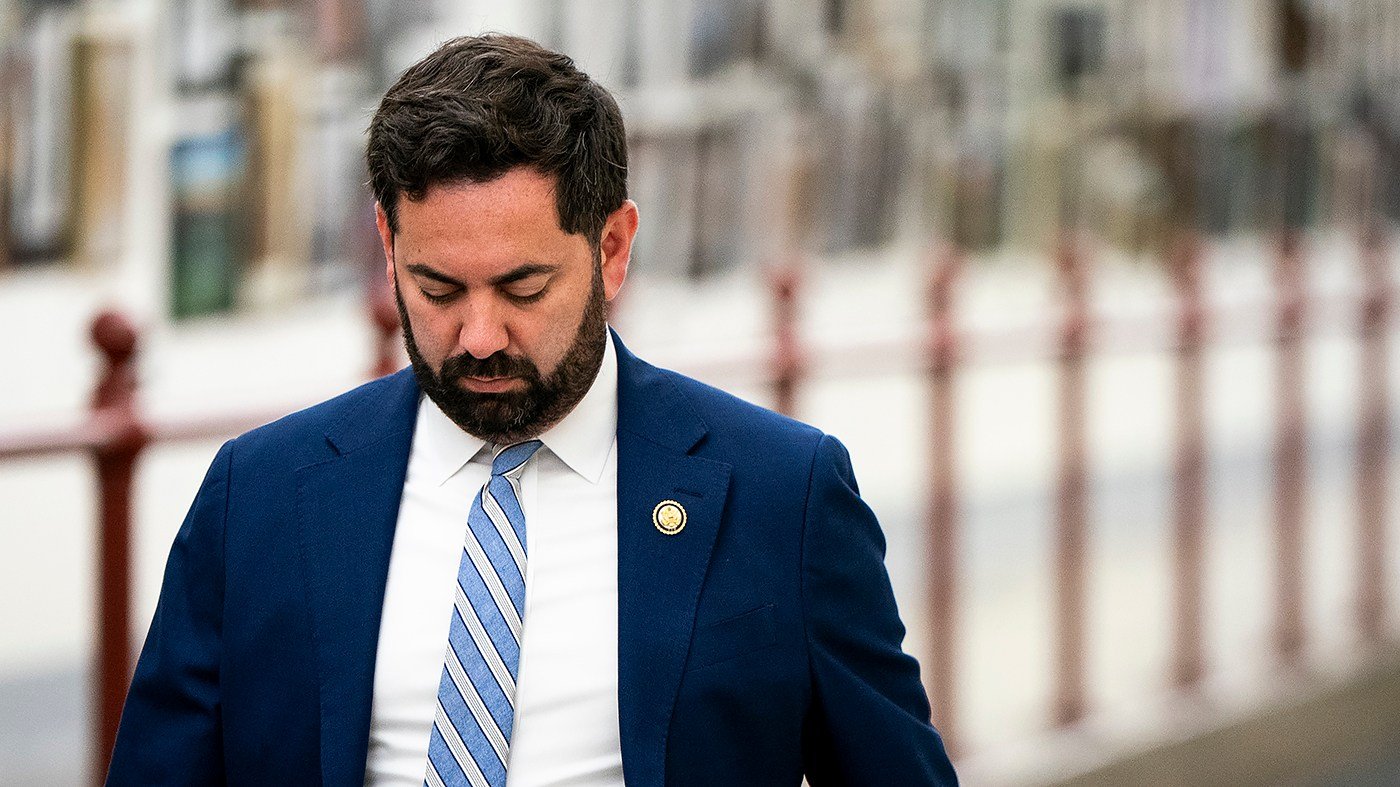
The Democratic Party's leadership appears increasingly out of step with its most energized base. Senate Minority Leader Chuck Schumer and House Minority Leader Hakeem Jeffries have offered little more than cautious, institutional messaging, while the party's most dynamic figures are pushing a progressive agenda that many insiders find uncomfortable. This disconnect has left the party's traditional power brokers struggling to contain a rising socialist wing that is winning primaries and reshaping the political landscape.
CNN commentator Van Jones captured the moment with a pointed analogy: "The Democratic Party is now Blockbuster," he said, referring to the establishment, while describing younger socialist candidates as "Netflix." The comparison underscores a generational and ideological divide that is becoming impossible to ignore. These "Netflix" candidates are not merely tweaking the party platform; they are calling for fundamental changes to American capitalism, including open borders, abolishing ICE, defunding the police and the Pentagon, and allowing the federal government to take over major corporations.
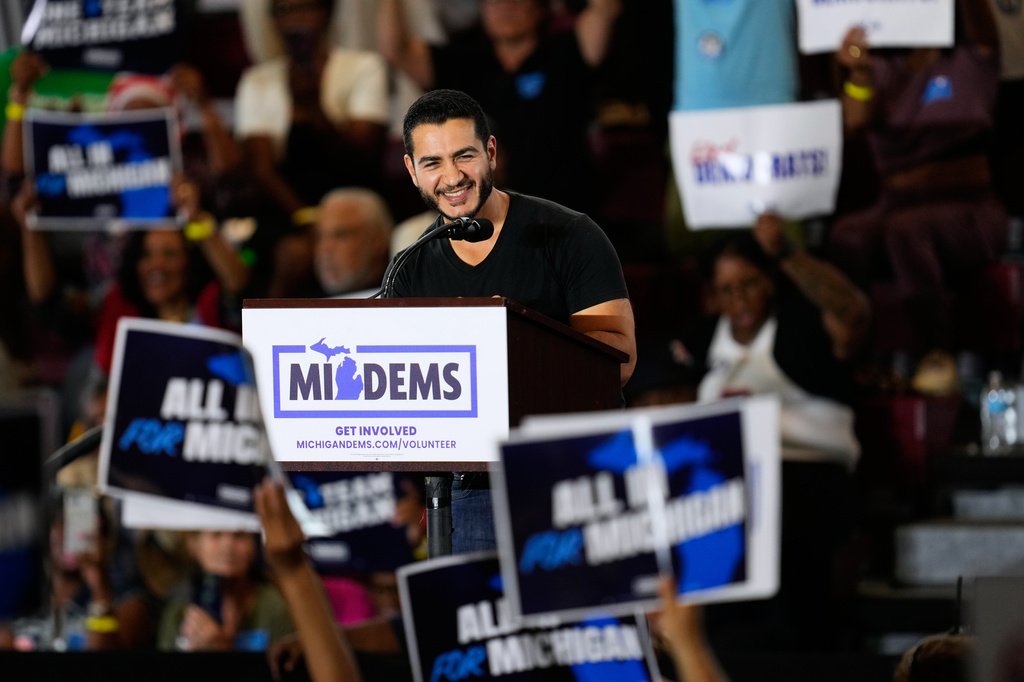
A Gallup poll highlights the depth of this shift: while only 42% of Democrats view capitalism favorably, 66% view socialism positively. This ideological drift is not confined to coastal enclaves. In June, a Democratic Socialists of America (DSA) candidate won a congressional primary in Colorado. This month, Abdul El-Sayed, a Sanders-backed progressive, won the Democratic Senate primary in Michigan, a critical battleground state. Even in Wisconsin, socialist candidate Francesca Hong lost the governor's primary by less than half a percentage point, a near-miss that underscores the movement's momentum. (Her earlier suggestion to "cancel" Thanksgiving may have cost her.)
Conservative commentators are taking notice. Peggy Noonan wrote in the Wall Street Journal that "Socialism is not a passing thing but an arriving thing." Karl Rove echoed that sentiment, noting that socialists "have a take-no-prisoner approach, and they want control." The Atlantic ran a piece titled "The DSA Is a Parasite... The left-wing faction is hijacking the Democratic Party."
Yet establishment Democrats have been notably reluctant to confront this faction head-on. The last time a Democratic leader took on a radical element within his own party was in 1992, when Bill Clinton criticized rapper Sister Souljah for controversial comments. Speaking to Jesse Jackson's Rainbow Coalition, Clinton said that if you reversed the racial terms of her statement, "you might think David Duke was giving that speech." The move signaled to voters that Clinton was not afraid to challenge extremism, even from within his own coalition.
Today, no equivalent figure has emerged. Most Democratic leaders avoid direct confrontation, preferring to embrace a "big tent" philosophy or simply hope the problem resolves itself. James Carville, the strategist who helped Clinton win twice, is one of the few willing to speak plainly. He has called anti-capitalists "so f---ing stupid" and said they "have no place in the Democratic Party." Bill Maher, another left-leaning voice, has also criticized the socialist wing, saying that when new progressive faces open their mouths, "the Communist Manifesto or some other crazy s--- comes out." Maher added that his vote is up for grabs and that he won't support anyone who "thinks the wrong side won the Cold War or cheers for the Intifada like it's the World Cup."
Some argue that socialist candidates will struggle in general elections because their agenda is out of step with most Americans. But the primary results suggest otherwise. Voters are choosing these candidates in significant numbers, and political history is full of movements that were dismissed until they became unstoppable.
The Democratic Party now faces a critical choice: it can continue to avoid the issue, or it can find a leader willing to draw a clear line. As the 2028 election looms, the party's ability to define itself may determine its survival. The rise of figures like Alexandria Ocasio-Cortez, who has already signaled a shift away from certain excesses, suggests that even the left is recalibrating. But without a unifying response from the center, the party risks fracturing—much like the narrow primary loss in Michigan has shown.
Whether the establishment can reclaim its footing remains an open question. The energy is clearly on the left, and the party's old guard has yet to find a way to counter it. As one strategist put it, the Democrats need a "Sister Souljah moment"—but no one seems willing to step into that role.