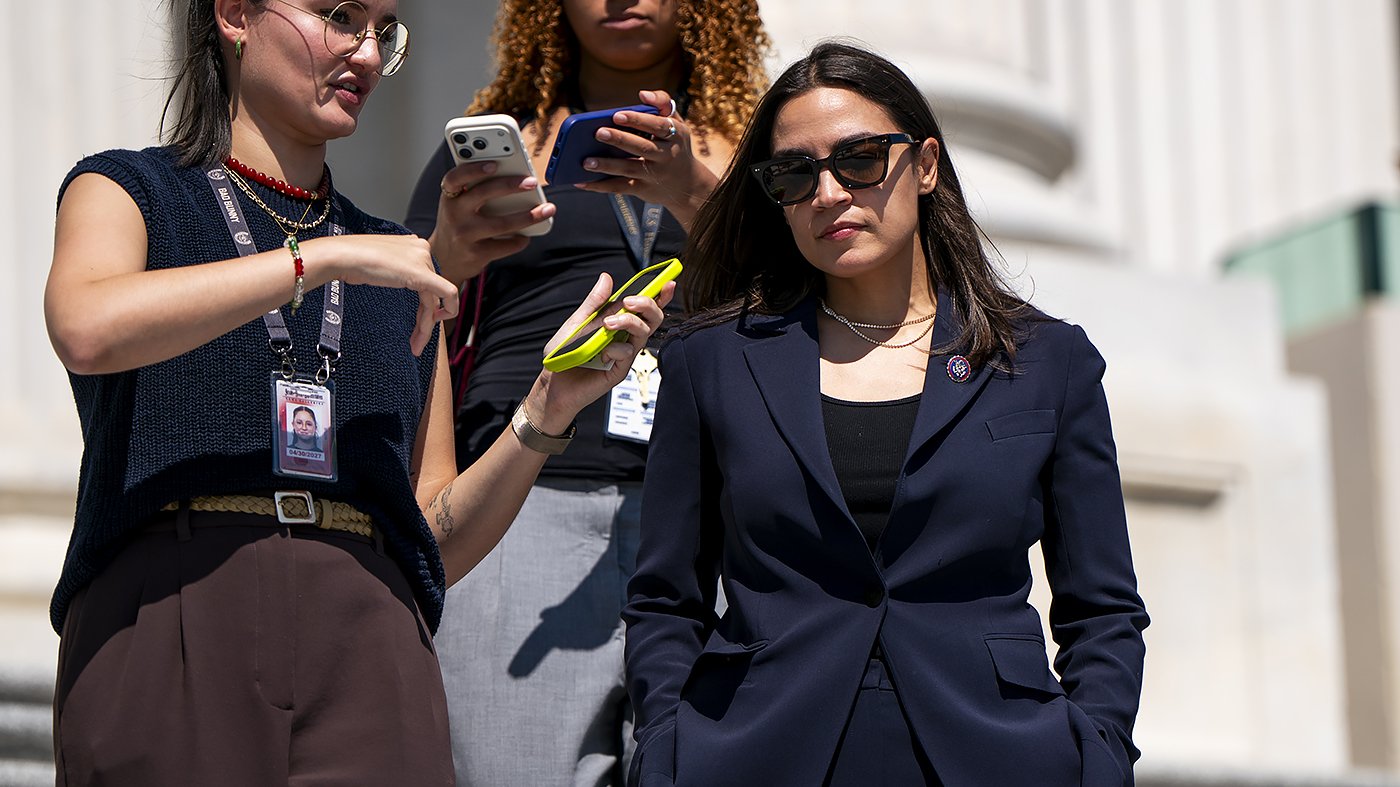
In a moment that political observers are calling consequential, Rep. Alexandria Ocasio-Cortez (D-N.Y.) on Sunday signaled a shift in Democratic messaging, borrowing a phrase from a New York City council member to acknowledge the party's past excesses. Appearing on ABC's "This Week," she quipped, "Woke 1 was crazy," echoing Chi Ossé's comment, and shared a laugh with host Jonathan Karl.
The remark, while delivered in jest, underscores a broader Democratic struggle: how to retain progressive ideals without being defined by the most extreme examples of cancel culture and online outrage. The party, analysts say, is trying to rebuild itself after a bruising 2024 cycle, aiming to stay true to its roots while avoiding the pitfalls that alienated swing voters.
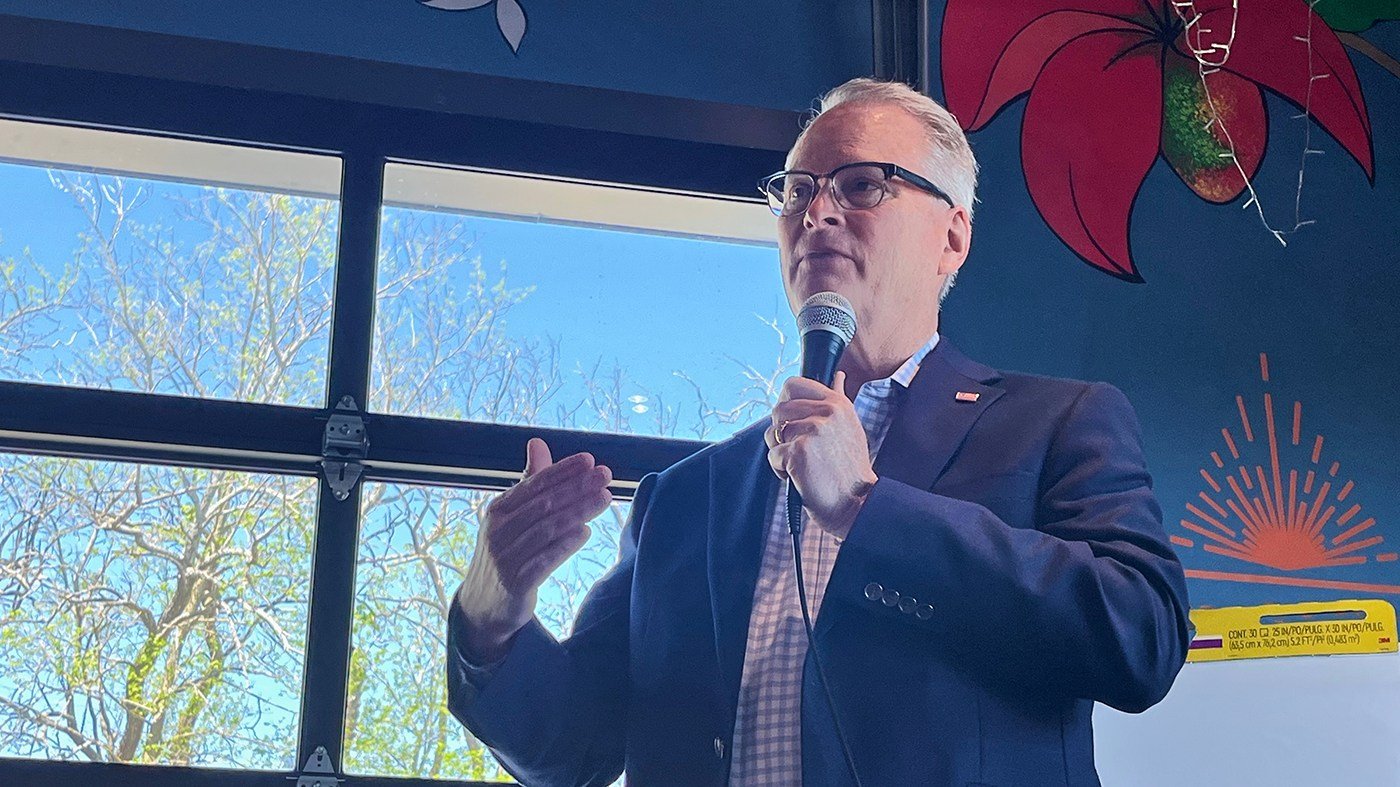
This tension was vividly illustrated in Wisconsin's recent gubernatorial primary, where democratic socialist candidate Francesca Hong lost narrowly to moderate David Crowley. Hong spent her campaign's final days walking back past online comments, including a suggestion about canceling Thanksgiving, which became a defining issue. "If you're explaining, you're losing," one Democratic strategist said. "The comments she made, even if they were in the deep past, did her in."
The party's reckoning with "woke" politics has been building for years. President Trump's 2024 campaign capitalized on it with an ad declaring "Kamala is for they/them, Trump is for you," a message that resonated beyond transgender issues. Republicans are now pouncing on Ocasio-Cortez's comments, accusing her of rewriting history. "She wasn't some innocent bystander who got swept up in the insanity. She was one of the loudest and most recognizable ringleaders," said Republican strategist Brian Seitchik.
Doug Heye, another GOP strategist, echoed that sentiment, noting that Ocasio-Cortez "was the tip of the spear" of the progressive movement and remains a potent fundraising foil for Republicans. He pointed to figures like New York City mayoral candidate Zohran Mamdani, who is carrying the democratic socialist torch, as examples of the movement's ongoing influence.
Some Democrats, however, see this moment as a necessary and healthy reflection. "It's totally appropriate for any Democratic elected official to have some reflection and look back and say that those conversations were productive but we didn't nail all of them," said Democratic strategist Joel Payne. He added that voters will accept an honest dialogue about past missteps.
Basil Smikle, former executive director of the New York State Democratic Party, contextualized the "woke" era as a product of the unique circumstances of 2020, when the pandemic lockdowns and the killing of George Floyd sparked a national reckoning on race. "A lot of individuals and entities wanted to show their support for the movement," he said. "Some of it was knee-jerk and inarticulate. Some of it was well-meaning. But all of this gets moderate over time."
The debate comes as the party faces an internal battle between its establishment wing and a far-left that has been gaining momentum. Democratic socialists, emboldened by recent wins, are pushing for a more aggressive agenda, while moderates argue that winning competitive districts requires a more unifying message focused on economic security and the chaos of the Trump administration. "'Defund the police' is the wrong message in the wrong districts," said former Rep. Steve Israel (D-N.Y.), a former DCCC chair. He suggested that the unifying goal of checking Trump in the midterms could bridge the divide.
Ocasio-Cortez's joke, and the ensuing discussion, may be an early signal of how Democrats intend to navigate this terrain. As the party looks toward 2026 and beyond, the challenge will be to channel the energy of the left without repeating the mistakes that cost them at the ballot box. For now, the congresswoman's laughter suggests a recognition that the era of unvetted rhetoric is over.