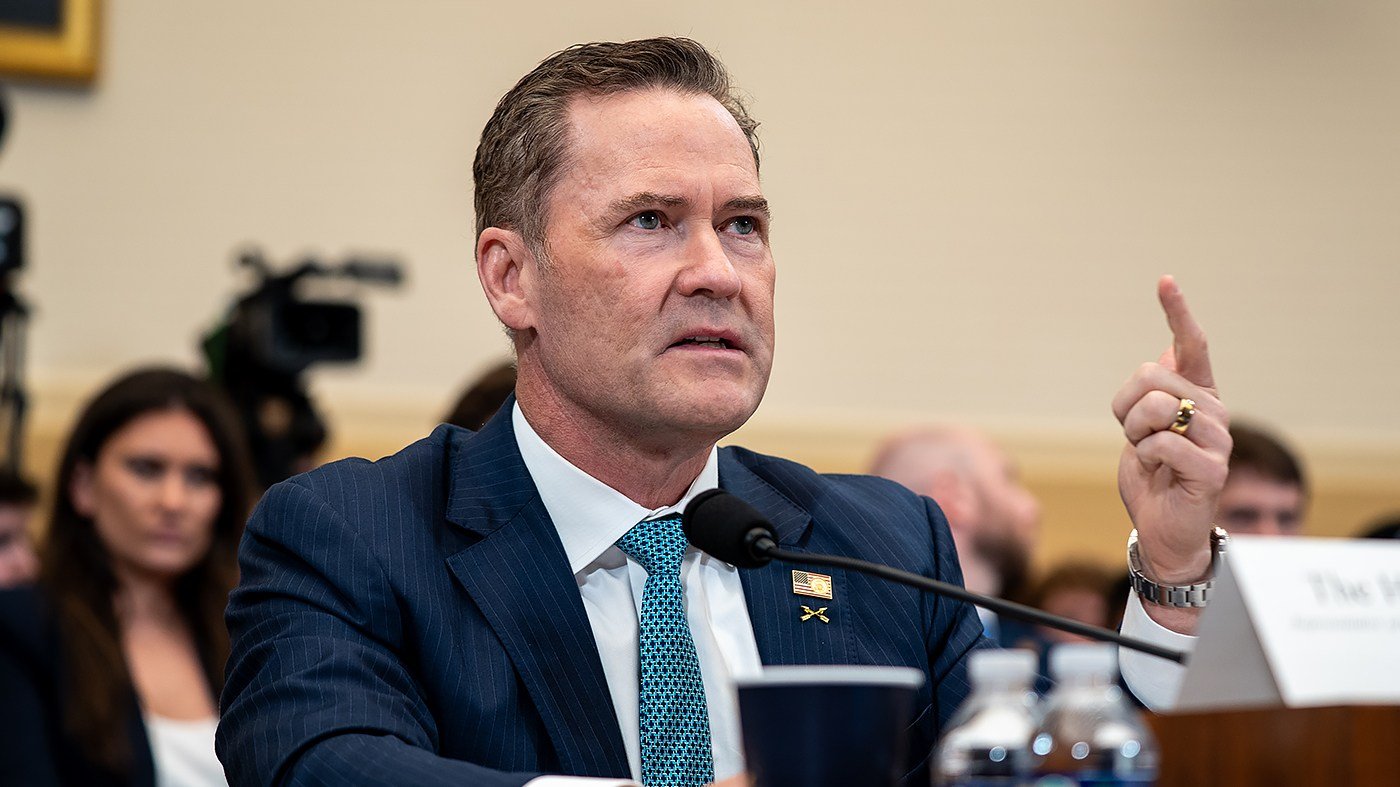
U.S. Ambassador to the United Nations Mike Waltz said Sunday that President Trump turned down a ceasefire offer from Iranian officials because they demanded sweeping concessions before any real negotiations.
“They were asking for everything up front,” Waltz told CNN’s Jake Tapper on “State of the Union.” “They were asking for relief from billions and billions of sanctions that are going into place as Operation Economic Fury, but also … snapback sanctions from the United Nations that have been in place for many years.”

Waltz noted those U.N. sanctions exist because Iran “has violated, over and over again, a number of issues related to its nuclear program.” Trump has said the goal of the U.S. military campaign is to eliminate Iran’s nuclear capabilities, a position he reiterated this week.
Trump rejects proposal as Iran faces mounting losses
On Saturday, the president confirmed he had rejected a ceasefire proposal from Tehran, following a Wall Street Journal report that he turned down a seven-day halt in hostilities. “They want to make a deal where they open the strait immediately because they’re losing so badly,” Trump told reporters, adding that the proposed deal “would not be acceptable.”
The Journal also reported that Trump expects to resume bombing Iran after the November midterms. But the president said this week at the U.N. General Assembly that he “will not give credence to the election” regarding the conflict. Waltz echoed that sentiment, arguing that Iranian officials are “miscalculating that [Trump is] taking” politics into consideration.
“The president’s just not confident that the Iranians are coming in good faith, and … will truly negotiate the end of their nuclear program,” Waltz said.
The rejection comes as the administration faces scrutiny over its handling of the standoff, with some Republicans warning of political fallout. As GOP lawmakers brace for midterm consequences, Trump has also been balancing public appearances, including attending the Presidents Cup amid the crisis.
Waltz’s comments underscore the administration’s insistence on a complete and verifiable end to Iran’s nuclear program before any sanctions relief. The U.N. nuclear watchdog has documented Iran’s repeated breaches of its commitments, and the U.S. has ramped up economic pressure under what it calls “Operation Economic Fury.”
Meanwhile, Trump’s broader political position remains fragile, with approval ratings slipping to new lows as the midterms approach. The president’s decision to reject the ceasefire could further complicate his party’s prospects, especially as critics question the administration’s strategy.
Waltz stressed that Trump is not swayed by electoral calendars, insisting the president’s focus is on preventing Iran from acquiring a nuclear weapon. “He’s not going to accept a bad deal just to have a headline,” Waltz said.