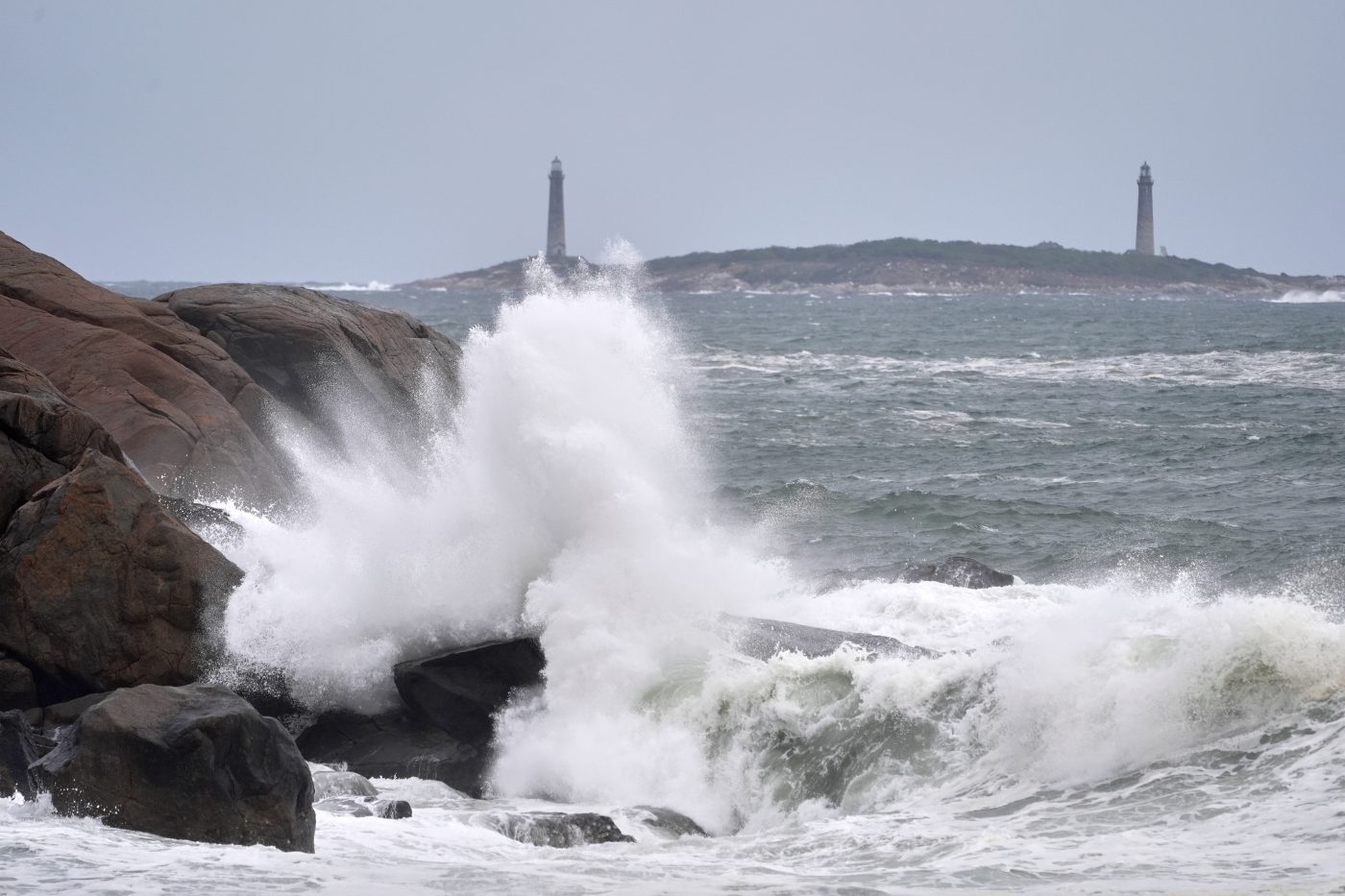
Severe weather is bearing down on two separate regions of the United States this weekend, with a nor'easter lashing the East Coast and Hurricane Nolo churning toward Hawaii. The dual threats have triggered emergency declarations and urgent preparations from local, state, and federal officials.
East Coast: States of Emergency as Nor'easter Hits
New York Gov. Kathy Hochul and New Jersey Gov. Mikie Sherrill both announced Friday that they would declare states of emergency ahead of the weekend nor'easter. The storm, already causing power outages for more than 70,000 customers across the Northeast by Saturday, is expected to bring dangerous conditions through the weekend.
Forecasters warn of gale-force winds capable of downing trees and heavy rain that could submerge roads. Tens of millions of people are in the storm's path, with the National Weather Service predicting dangerous flooding along the Mid-Atlantic coast, especially near New Jersey and Delaware.
"This storm is expected to bring major coastal flooding to the Mid-Atlantic Coast over multiple high tide cycles through the weekend," the National Weather Service said Saturday. "Prepare immediately for significant inundation in low-lying areas near the shore, including roads underwater and impacts to homes and businesses."
In coastal New Jersey, the borough of Surf City saw streets flooded and some homes inundated. About 34 miles up the coast in Manasquan, where roads were also flooding, Mayor Mike Mangan said he expected "a lot of water in the streets for a long time." A voluntary evacuation was issued earlier for some low-lying areas. Officials in Manasquan recommended that residents in low-lying zones, particularly the elderly and individuals with special needs, consider evacuating, according to a local NBC affiliate.
Concerts were canceled and dozens of flights into Boston, Nantucket, and Martha's Vineyard were grounded Friday and Saturday. Several airlines are waiving change or cancellation fees for East Coast flights through the weekend. The Weather Channel reported wind gusts over 30 mph along the coasts of New York and New Jersey on Friday, stretching down to parts of North Carolina, with speeds reaching 52 mph on Long Island.
The National Weather Service forecast moderate to locally major flooding over the weekend, particularly in several New York City counties, prompting Mayor Zohran Mamdani to issue a statement urging residents to prepare for the nor'easter. The governors' emergency declarations are part of a broader regional response to the storm.
Hawaii: Hurricane Nolo Takes Aim at Big Island
On Hawaii's Big Island, residents are preparing for another potentially life-threatening and catastrophic storm as Hurricane Nolo is expected to bring flash floods and extreme surf while churning just south of the islands through the weekend. Nolo was expected to strengthen to a major hurricane on Saturday, with maximum sustained winds increasing to 105 mph (165 kph) on Friday. The storm's center was located about 145 miles (235 kilometers) south of Hawaii's southernmost point.
Forecasters warned parts of the Big Island could see rainfall totals up to 15 inches (38 centimeters), with a possibility of up to 25 inches (64 centimeters). That was down from an earlier forecast that called for up to 35 inches (89 centimeters).
"People are going to want to kind of shelter in place on the Big Island, be in their safe place, certainly by later today, tonight, well into Saturday," Michael Brennan, director of the National Hurricane Center, said Friday. "Don't venture out if you don't have to into the dangerous flooding environment, but also high winds. We can have trees and power lines down."
Heavy rainfall also was possible on Hawaii's other islands, the hurricane center said. Maui could see heavy rainfall and potential life-threatening flooding and mudslides, forecasters said. Crews on the Big Island spent hours Friday trying to build berms to guide water and move large debris ahead of the worst of the rain, said Erika Kapu, Hawaii program manager for the humanitarian nonprofit CORE. CORE and other nonprofit partners spent the week packing and shipping supplies like camp stoves and hygiene products by air cargo from Oahu to the Big Island for a community relief hub that has been active since August's Hurricane Lala.
President Donald Trump on Friday approved an emergency declaration for the state of Hawaii, authorizing the Federal Emergency Management Agency to coordinate assistance from across the federal government and provide funding support for emergency measures. Hawaii officials told residents to put together emergency kits, and the governor issued an emergency proclamation, activating more than 230 Hawaii National Guard members. Schools were closed in some areas. Hawaii County officials on the Big Island were urging residents in flood-prone areas to consider taking refuge at shelters being set up or other locations.
The heaviest rain from Nolo is likely to fall over the same southeastern region of the Big Island that was hit by Lala and where grounds are still wet from additional precipitation. The storm surge could hit 1 to 3 feet (30 to 91 centimeters), creating large and dangerous waves and coastal flooding, the hurricane center said. Hawaiian Electric, the state's primary utility, said crews that had been helping restore power in Kauai after this month's Hurricane Low were being redirected to prepare for Nolo's impact.
As both storms bear down, officials are urging residents to heed evacuation orders and stay informed. The dual emergencies underscore the increasing frequency of extreme weather events, a trend that has prompted growing concern among policymakers and the public alike.