Sen. Rand Paul (R-Ky.) on Wednesday objected to a unanimous consent request to pass the Kids Online Safety Act (KOSA), a bill designed to impose new obligations on social media platforms to protect minors from online harms. The move effectively stalls the legislation in the Senate, where it has broad bipartisan backing but faces a narrow window before the end of the year.
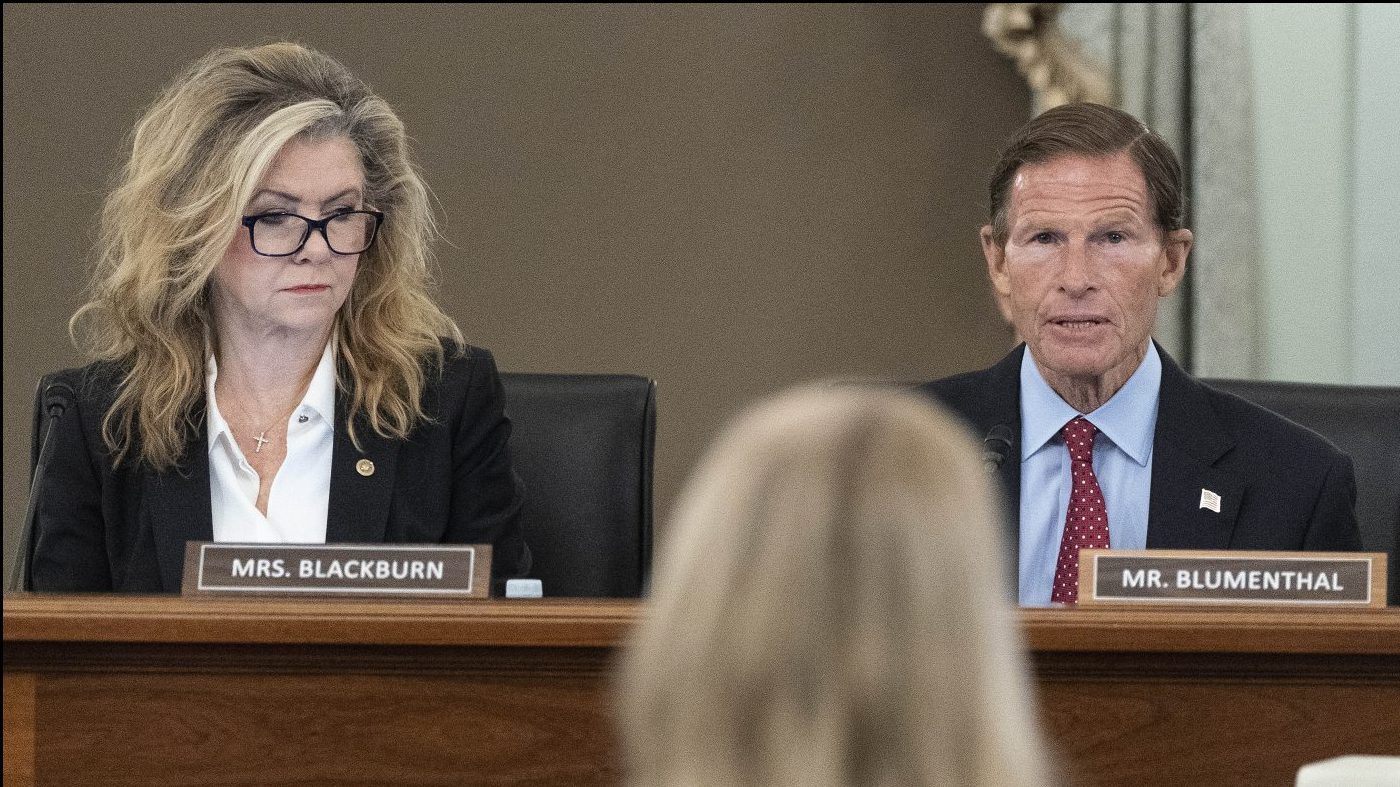
Sens. Richard Blumenthal (D-Conn.) and Marsha Blackburn (R-Tenn.) sought to advance KOSA by unanimous consent, a procedural maneuver that requires the consent of all senators. Paul’s objection derailed the effort, leaving the bill’s path forward uncertain.
KOSA aims to hold social media companies accountable for harms to minors and young children. The Senate version includes a “duty of care” provision that would legally require platforms to “exercise reasonable care” to prevent harms such as eating disorders, suicide, substance use disorders, and sexual exploitation. That provision is a red line for Blumenthal, Blackburn, and several tech watchdogs who have pushed for the bill’s passage for years.
Unlike the House version that passed as part of a broader package last summer, the Senate’s KOSA includes the duty of care language. The Senate version cleared committee last month, but the legislative calendar is running out this year to reconcile differences with the House.
Lawmakers have introduced KOSA four times in as many years. While it passed the Senate easily in 2024, House Republicans’ concerns over censorship and freedom of speech prevented it from ever reaching the House floor.
Paul’s objection is the latest setback for the bill. Similar efforts to advance child online safety measures have faced hurdles in Congress, including a Democratic push for an AI safety panel that was blocked by Sen. Ted Cruz (R-Texas). The debate over online safety also intersects with broader discussions about artificial intelligence, as seen in a bipartisan AI safety bill introduced by Rep. Liccardo.
Supporters of KOSA argue that the duty of care provision is essential to hold platforms accountable. Opponents, including Paul, contend that it could lead to censorship and infringe on free speech. The bill’s future remains uncertain as lawmakers weigh the competing concerns.