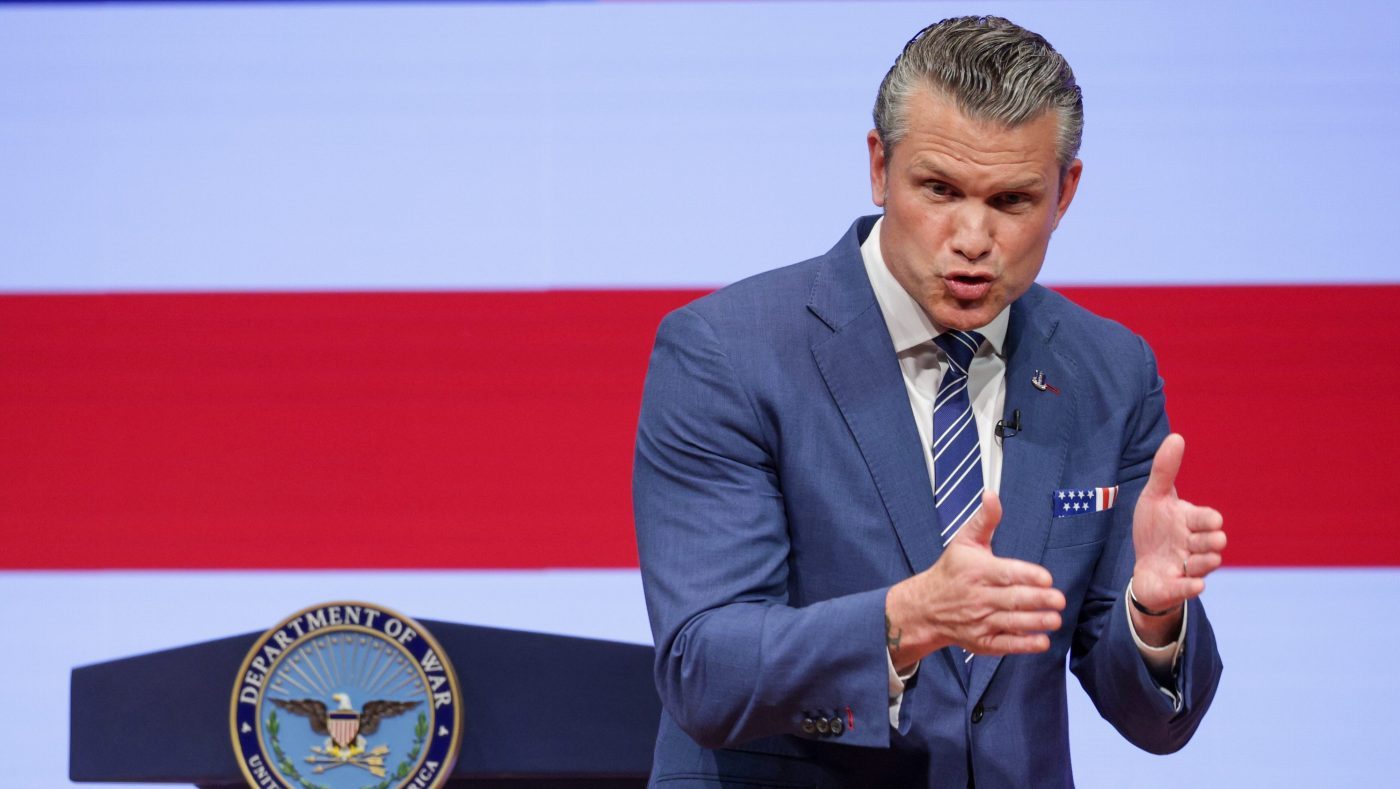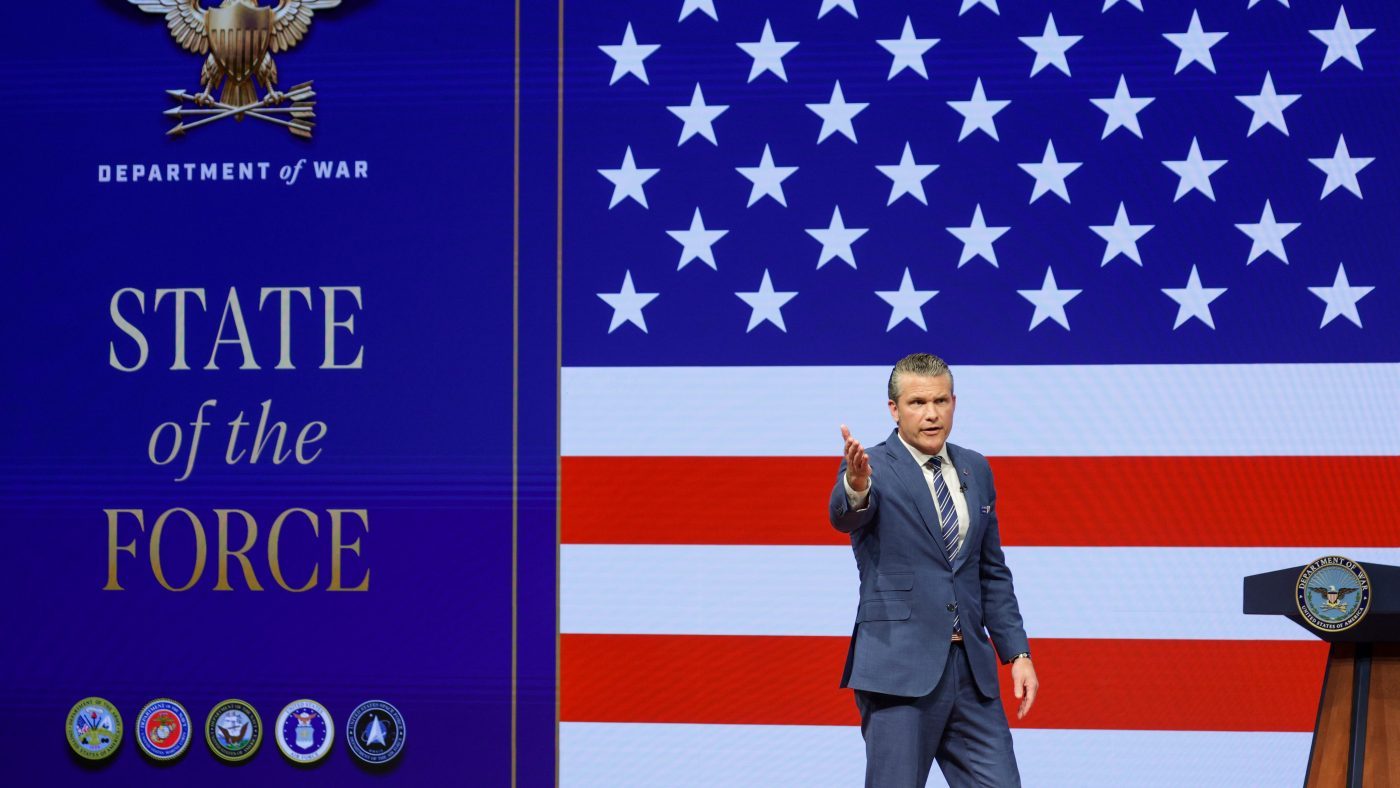
President Trump announced Sunday that he has instructed Defense Secretary Pete Hegseth to "substantially reduce" the annual joint military exercises conducted with South Korea, a move that could reshape the US alliance in Northeast Asia.
In a post on his Truth Social platform, Trump expressed frustration over the long-standing arrangement, writing that he is "not happy with the fact that the United States has, long ago, agreed to participate" in the drills. He framed the exercises as an unnecessary financial burden, asserting that "much of these costs" are paid by American taxpayers.
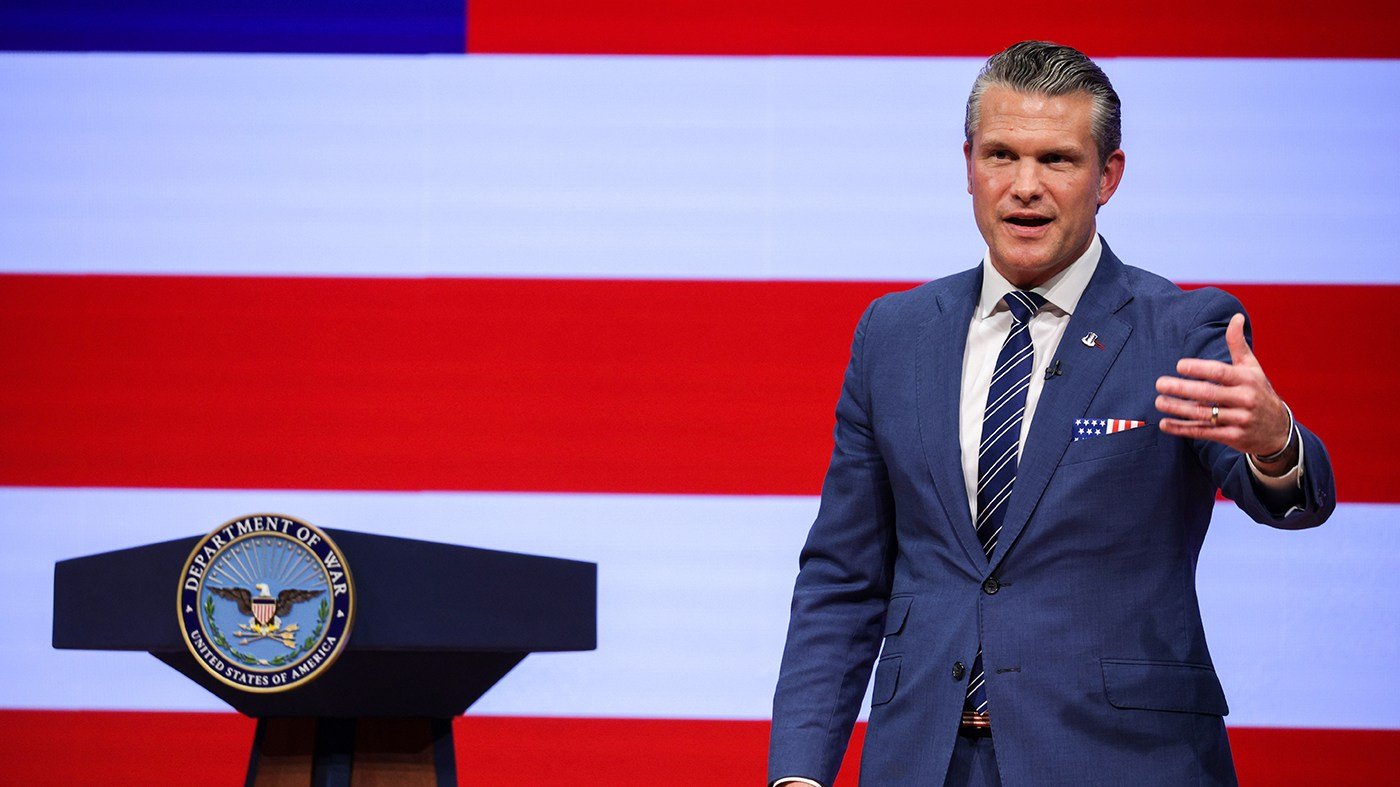
The president also tied the decision to his personal diplomacy with North Korean leader Kim Jong Un, reiterating that he maintains a "very good relationship" with Pyongyang. He argued that the scale of the maneuvers sends a "totally inappropriate and hostile" signal to a country that, under his leadership, has been "unthreatening and respectful."
Trump further suggested that Seoul had failed to reciprocate allied solidarity. He revealed that he recently asked South Korea's president whether it would join US efforts to denuclearize Iran, and the answer was "No thanks!" — a remark he characterized as "somewhat unrelated" to the military exercise decision.
The joint drills, which typically take place in spring and summer, are designed to bolster the US-South Korea defense posture and maintain readiness against regional threats, particularly from North Korea. They have long been a cornerstone of the bilateral security relationship, though they have also drawn criticism from Pyongyang as provocative.
Trump acknowledged that it is too late to cancel the upcoming exercises entirely, but said they will be scaled back as a result of his directive. The exact scope of the reduction remains unclear, and it is uncertain how the Pentagon will implement the order given ongoing tensions on the Korean Peninsula.
The announcement comes amid broader shifts in US foreign policy under Trump, including his hardline stance on Iran and his willingness to challenge traditional alliances. Critics worry that reducing military cooperation with Seoul could undermine deterrence and embolden adversaries, while supporters argue that the move reflects a more restrained approach to overseas commitments.
South Korea's government has not yet issued an official response, but the decision is likely to prompt consultations between defense officials in Washington and Seoul. The reduction could also complicate ongoing efforts to coordinate on regional security issues, including responses to North Korean provocations and Iran's threats in the Strait of Hormuz.
Trump's framing of the issue as a cost-saving measure and a gesture toward North Korea echoes his earlier skepticism about large-scale military deployments abroad. During his first term, he also questioned the value of joint exercises, though he ultimately maintained them at varying levels. This latest directive, however, marks a more concrete step toward reducing the US military footprint in the region.
Analysts note that the decision could have ripple effects beyond the peninsula, particularly as the US seeks to maintain influence in the Indo-Pacific amid China's growing assertiveness. The move may also resonate with domestic political debates about defense spending and the burden-sharing of allied nations.