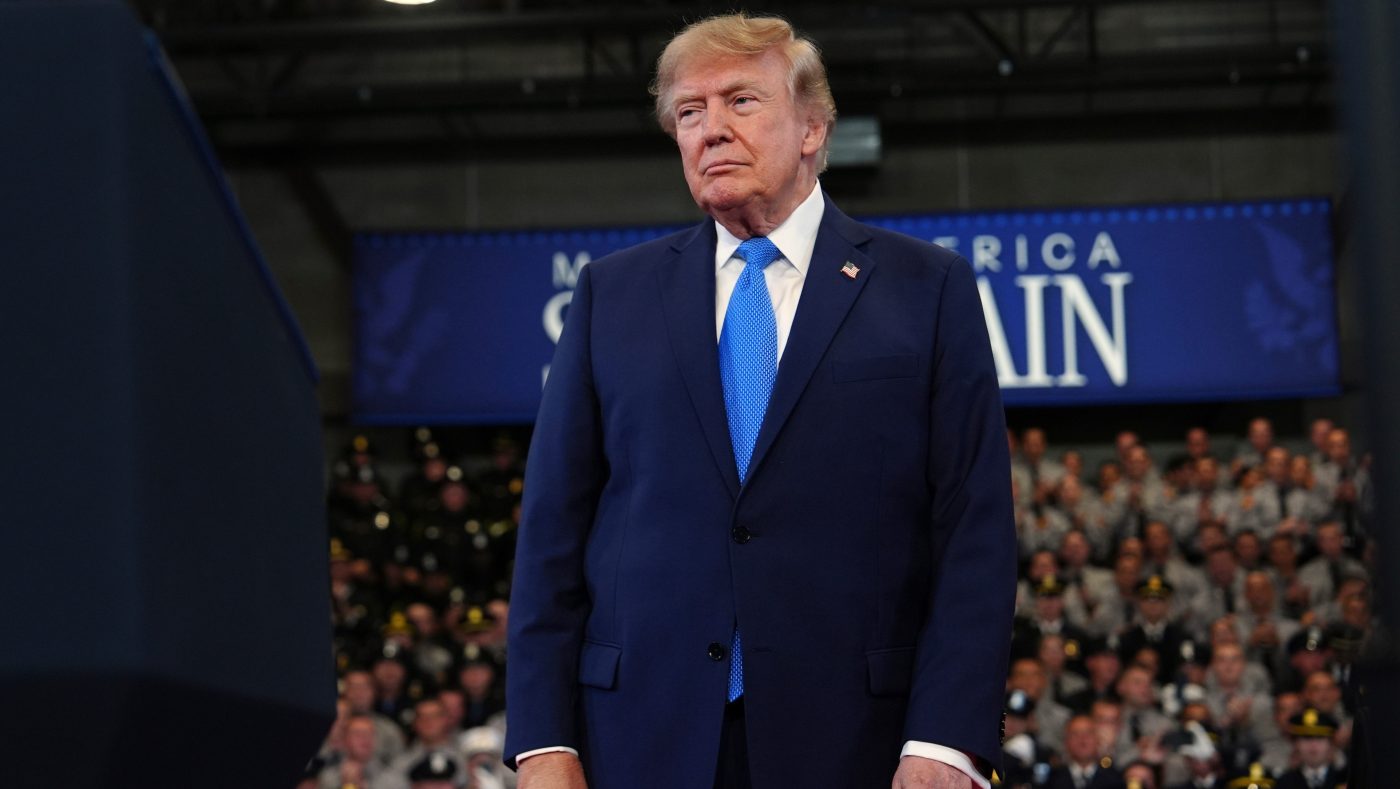
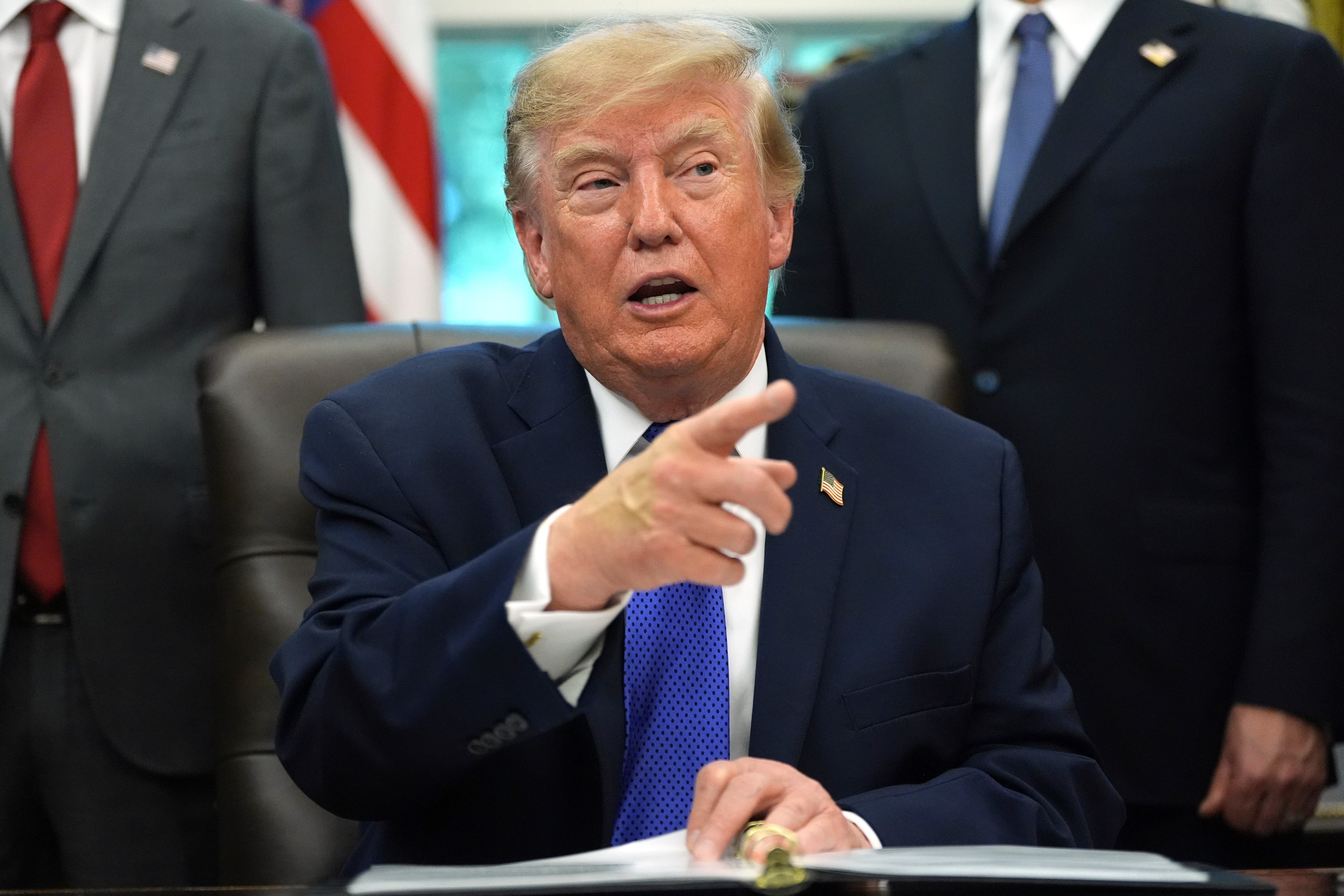
President Trump declared on Friday that he will soon designate the Strait of Hormuz as a U.S. territory, a provocative claim that challenges the sovereignty of Iran and Oman, which jointly control the strategic waterway. Speaking at an anti-crime event on Long Island, Trump stated, "Pretty soon, I will be declaring the Hormuz Strait a territory of the United States," but offered no specifics on how such a move would be executed under international law.
The Strait of Hormuz, a narrow passage between the Persian Gulf and the Gulf of Oman, is critical to global energy supplies, with roughly 20 percent of the world's oil and gas transiting through it. Iran borders the strait to the north, while Oman lies to the south, and both countries have historically asserted their territorial rights over the waterway.
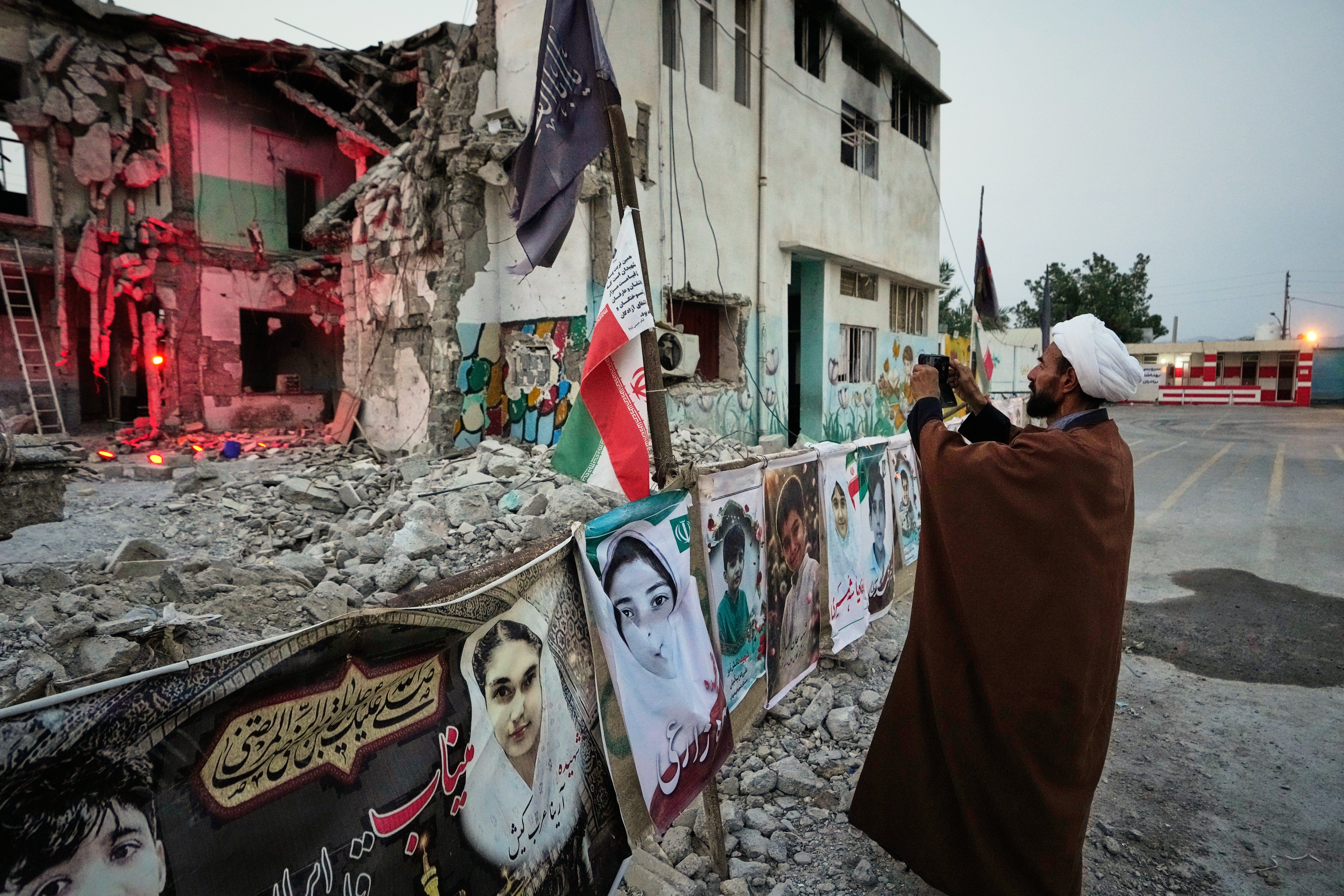
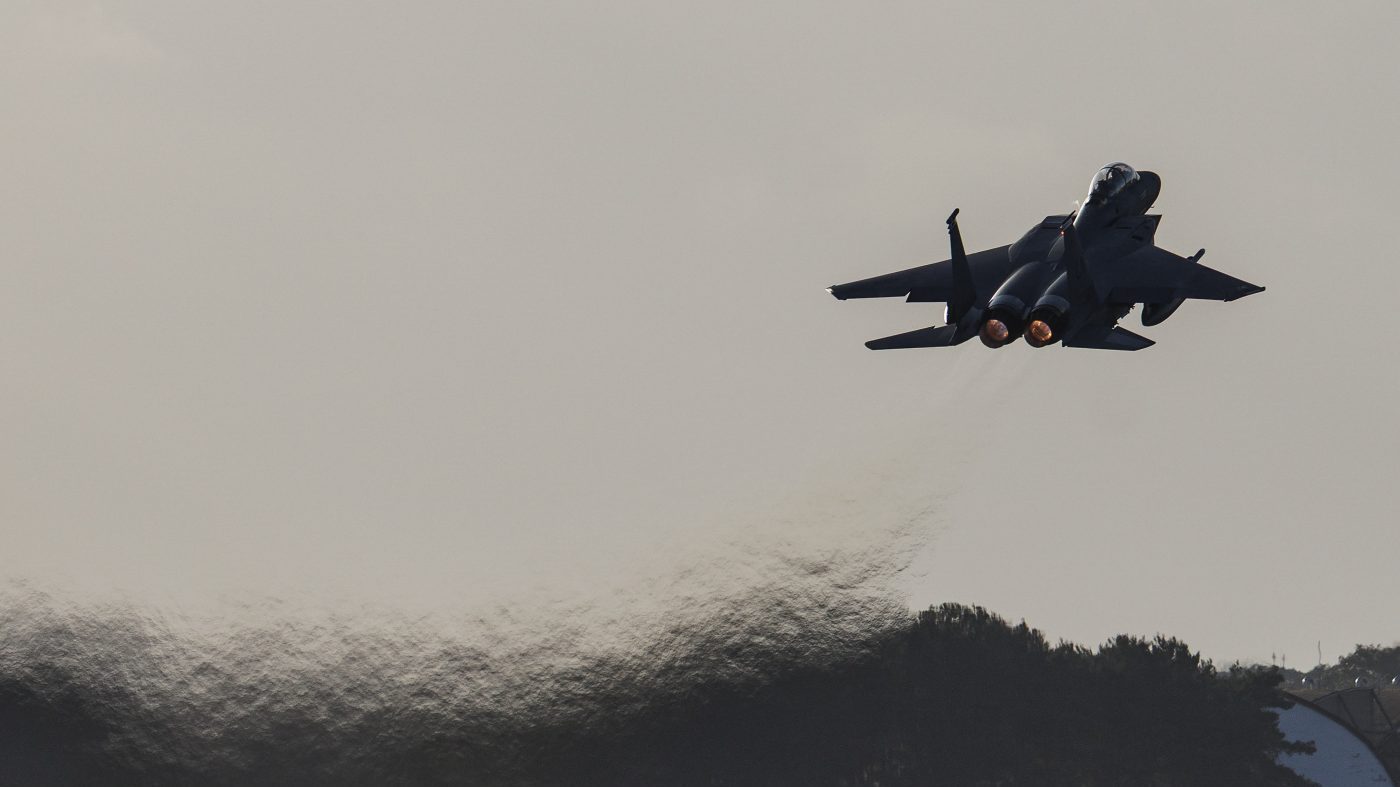
Trump's remarks come amid an ongoing conflict with Iran that began about six months ago. The administration has already deployed a naval blockade in the strait twice, with Trump claiming U.S. control over the transit of oil exports from the region. These actions have contributed to a spike in global energy prices, as the closure of the strait disrupted supply chains.
The president's latest assertion drew immediate pushback from Tehran. In a post on the social platform X on Wednesday, Iran's Persian Gulf Strait Authority dismissed U.S. claims of control, stating, "Whoever owns it does not change the reality: the Strait of Hormuz remains blocked and will not be reopened until Iran's conditions are accepted."
Legal experts note that the U.S. has no recognized jurisdiction over the strait, and any attempt to annex it would be a dramatic departure from established maritime law. The United Nations Convention on the Law of the Sea grants coastal states sovereignty over their territorial waters, which extend 12 nautical miles from shore, but the strait is considered an international transit passage.
Trump's statement, delivered during a Long Island anti-crime event, appeared to be part of a broader effort to project strength on national security. The administration has faced criticism from Democrats, including clashes with New York officials over crime policy, as seen in similar appearances.
The declaration could have significant implications for U.S. foreign policy and energy markets. Analysts warn that unilateral action on the strait could escalate tensions with Iran and its allies, potentially leading to further disruption of oil shipments. The U.S. has already imposed tariffs on advanced drones, citing China-related security risks, and this new move signals a more aggressive posture in the region.
Iran has consistently rejected Trump's assertions of control, and the standoff shows no signs of resolution. The international community is watching closely, as any U.S. attempt to claim the strait would likely be met with widespread condemnation and potential legal challenges.