For years, policymakers have focused on artificial intelligence's transformative potential—debating ethics, funding research, and drafting strategies. But a more concrete question looms: what if the future arrives, but not where the blueprints are written?
Data centers currently consume about 415 terawatt-hours (TWh) of electricity annually, roughly 1.5 to 2 percent of global demand. According to the International Energy Agency, that figure could reach 945 TWh by 2030 and between 700 and 1,700 TWh by 2035. What was once a marginal slice of global electricity use is now one of the most powerful drivers of new investment in generation and transmission.

Global electricity consumption stands at about 28,000 TWh per year, with demand expected to rise 40 percent by 2035 and continue climbing through 2045. This surge is fueled by the convergence of AI, data centers, electrification of transport and heating, and advanced manufacturing. Unlike prior industrial revolutions, this wave shows no obvious ceiling.
The critical divide is not between those who want this future and those who don’t. It is between those who can build the necessary infrastructure at the required speed and scale—and those who cannot. China already consumes around 9,500 TWh annually, India over 2,000 TWh, and together they are expected to account for a dominant share of global electricity demand growth this decade. The United States has emerged as the clearest near-term leader in data center capacity additions, demonstrating both the ability and political will to mobilize capital and deliver large-scale energy infrastructure quickly.
“The 20th century was largely defined by a shortage of technology. The 21st century may instead be defined by a shortage of execution,” writes Alexander Temerko, a global investor in energy and IT and a council member of the Institute of Economic Affairs. “The West does not have a technology problem; the West does not have a capital problem; the West increasingly has an execution problem.”
Temerko draws on more than three decades of experience developing major energy projects across Europe and North America. His current project, the Aquind Interconnector—a proposed 2-gigawatt high-voltage link between the UK and France—illustrates the pattern. Across both Europe and the U.S., whether the goal is new transmission, power generation, industrial development, or large-scale data center capacity, the same obstacles appear: prolonged regulatory processes, local opposition, and institutional resistance that delay projects and drive up costs. The core brakes are NIMBYism at the local level and entrenched bureaucratic systems at the national level.
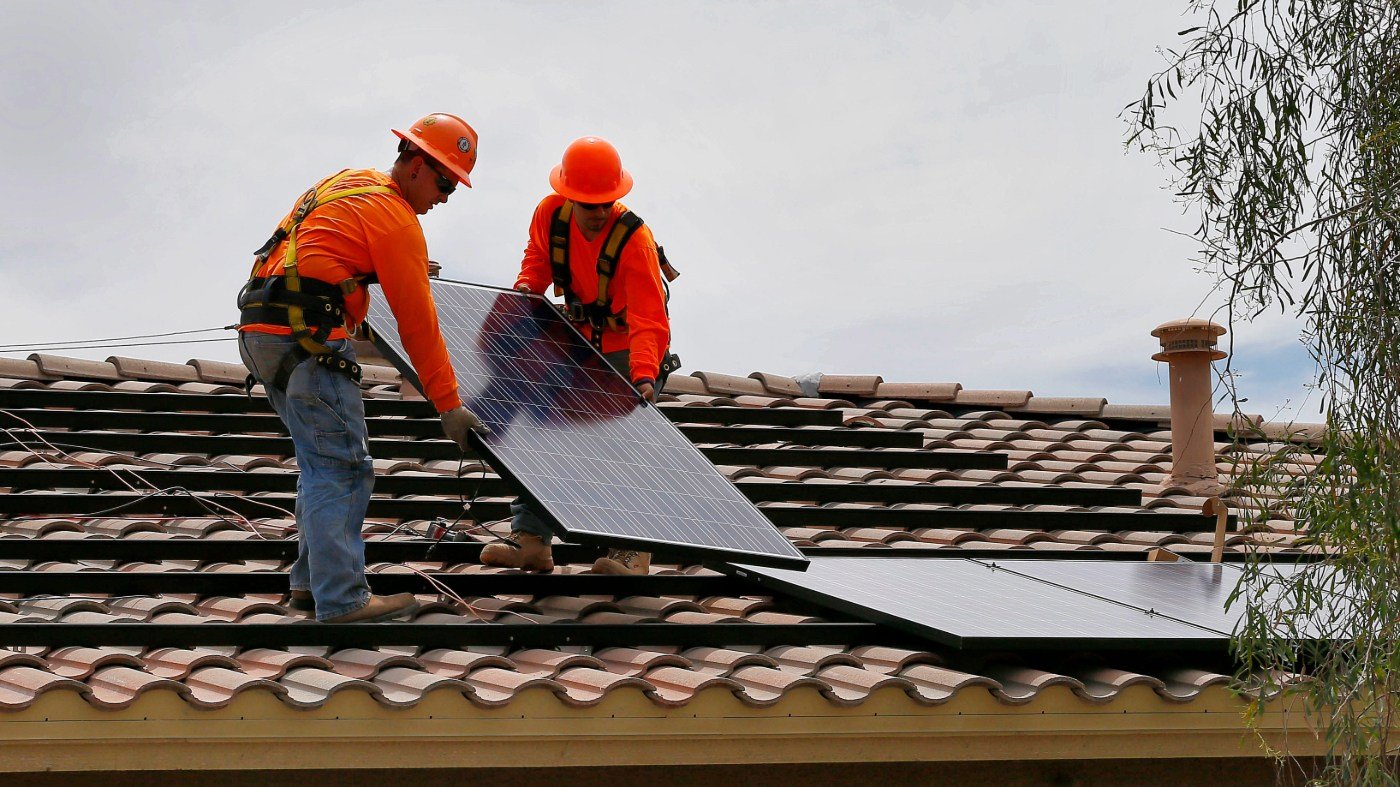
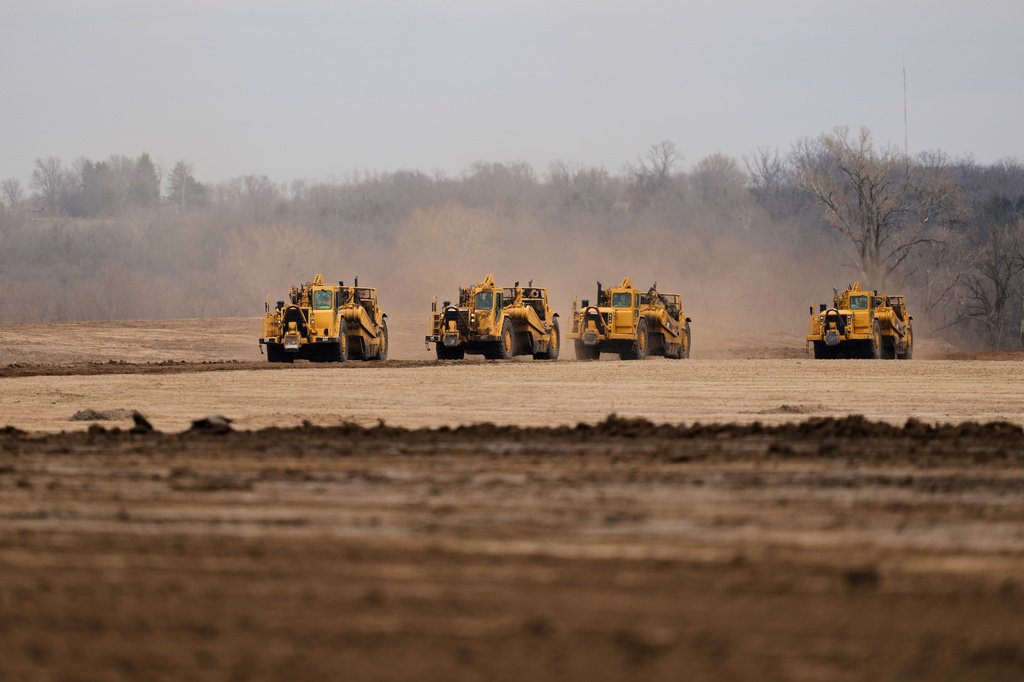
The future will not be determined by the quality of strategy documents or the ambition of climate frameworks. It will be determined by the physical reality of power stations, transmission lines, substations, and the supply chains that support them. Countries that can deliver new capacity at scale will capture disproportionate shares of the AI-driven economy. Those that cannot—whether due to regulatory complexity, political fragmentation, or institutional resistance—risk being marginalized. This is becoming a contest between builders and debaters. What if China and India continue constructing the infrastructure required for the AI age, while much of the West remains locked in debates about process and perfect solutions?
The 2 percent that once seemed marginal may determine whether the next technological revolution belongs to those who invent it or to those who build the infrastructure required to power it. For context, some U.S. lawmakers have already raised concerns about the environmental and economic impacts of AI data centers; Representative Alexandria Ocasio-Cortez has pushed for antitrust action and a moratorium on new data centers amid tech price surges. Meanwhile, the global AI race intensifies, with some leaders even calling for a pause on superintelligence development. But Temerko argues that the real bottleneck is not technology—it is the ability to execute.