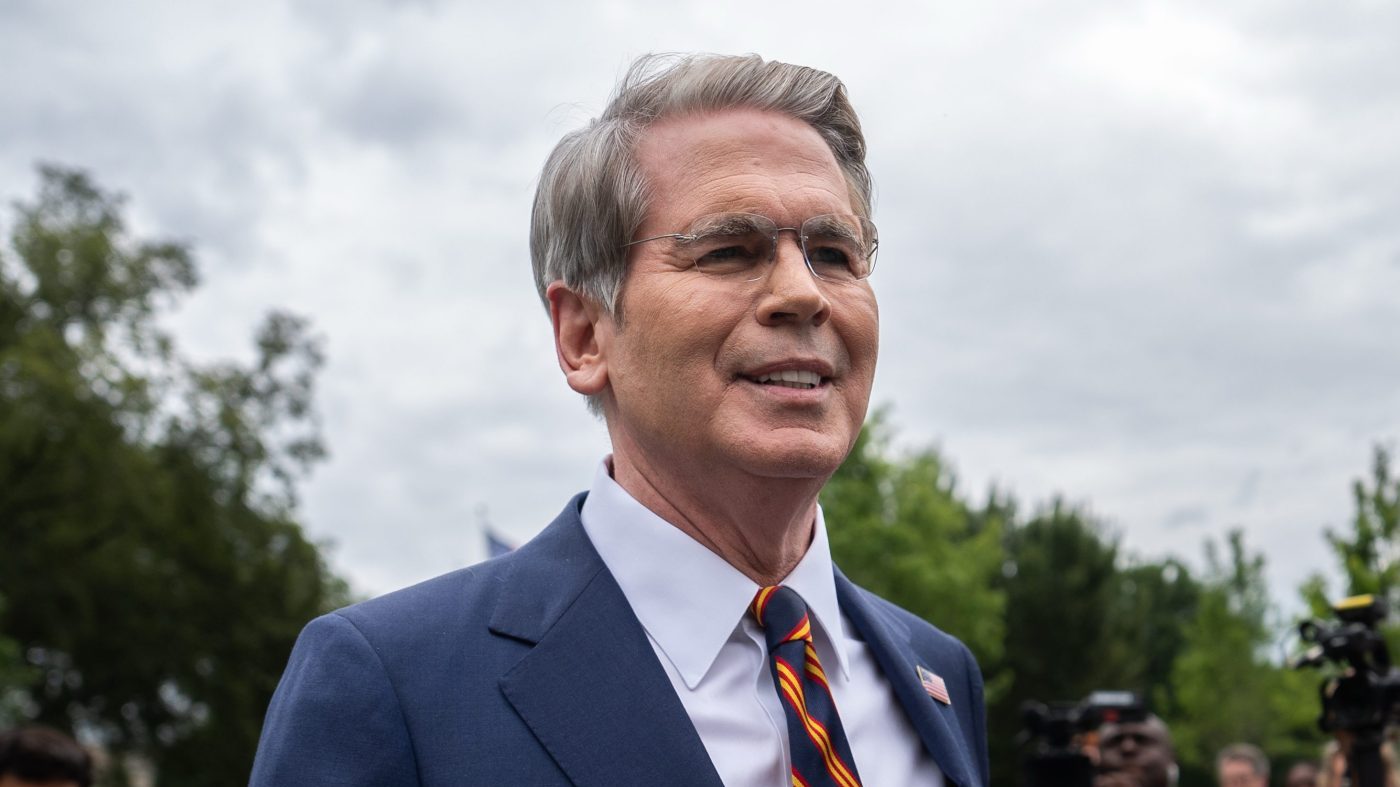
Treasury Secretary Scott Bessent said the Trump administration will roll out a fresh round of economic measures against Iran next week, escalating efforts to choke off the regime's finances and force it back to negotiations over a deal to end hostilities and reopen the Strait of Hormuz.
“Watch this space for more announcements coming next week because we are going to apply measures like have never been seen in the history of the economic isolation of a country,” Bessent said Thursday on Newsmax’s “Rob Schmitt Tonight.”
While the Treasury chief offered no specifics, he indicated the new steps would build on existing pressure, including a naval blockade that has already cut roughly $4.8 billion in oil revenue for Tehran. Bessent said President Trump ordered the Treasury to “apply maximum pressure to the Iranian regime” as the administration shifts toward economic warfare after earlier strikes and threats failed to end the nearly six-month conflict.
“It will be a combination of economic isolation like the world has never seen before, and the continued blockade in the Strait of Hormuz that will keep anything from going in or out of the Iranian ports,” he told Newsmax.
Bessent said the administration has already targeted Iran’s “bank accounts, crypto wallets, [and] assets around the world,” while working to cut off payments to the regime and its proxies. The new measures are expected to broaden those financial restrictions, though officials have not detailed which sectors or entities will be hit.
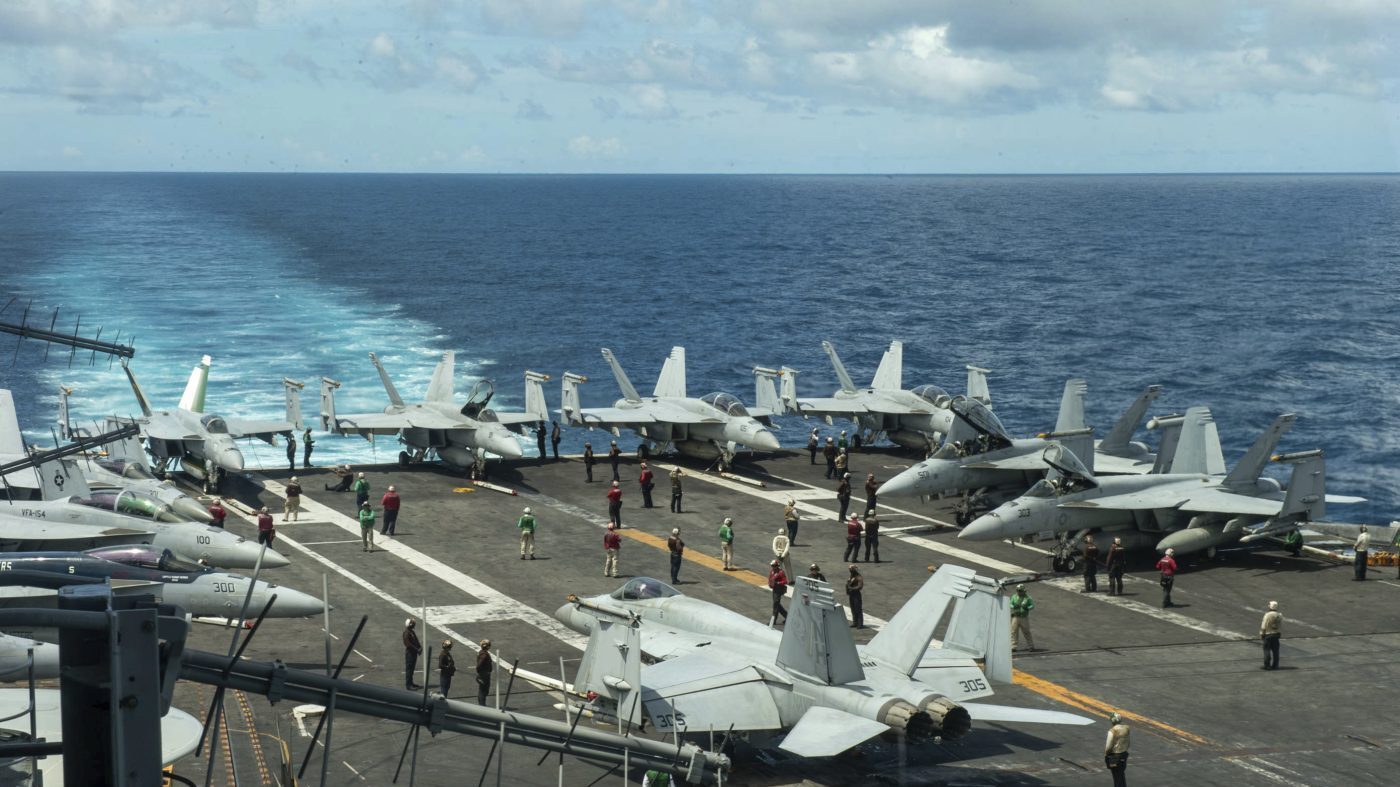
Defense Secretary Pete Hegseth told reporters Wednesday that the U.S. military can sustain the blockade “indefinitely,” with the Navy rotating ships in and out of the region as needed. “Indefinitely the United States Navy can maintain a blockade like that because we’ll rotate ships in and out, as we have, and we’ll continue to,” he said during remarks in Panama, according to Reuters.
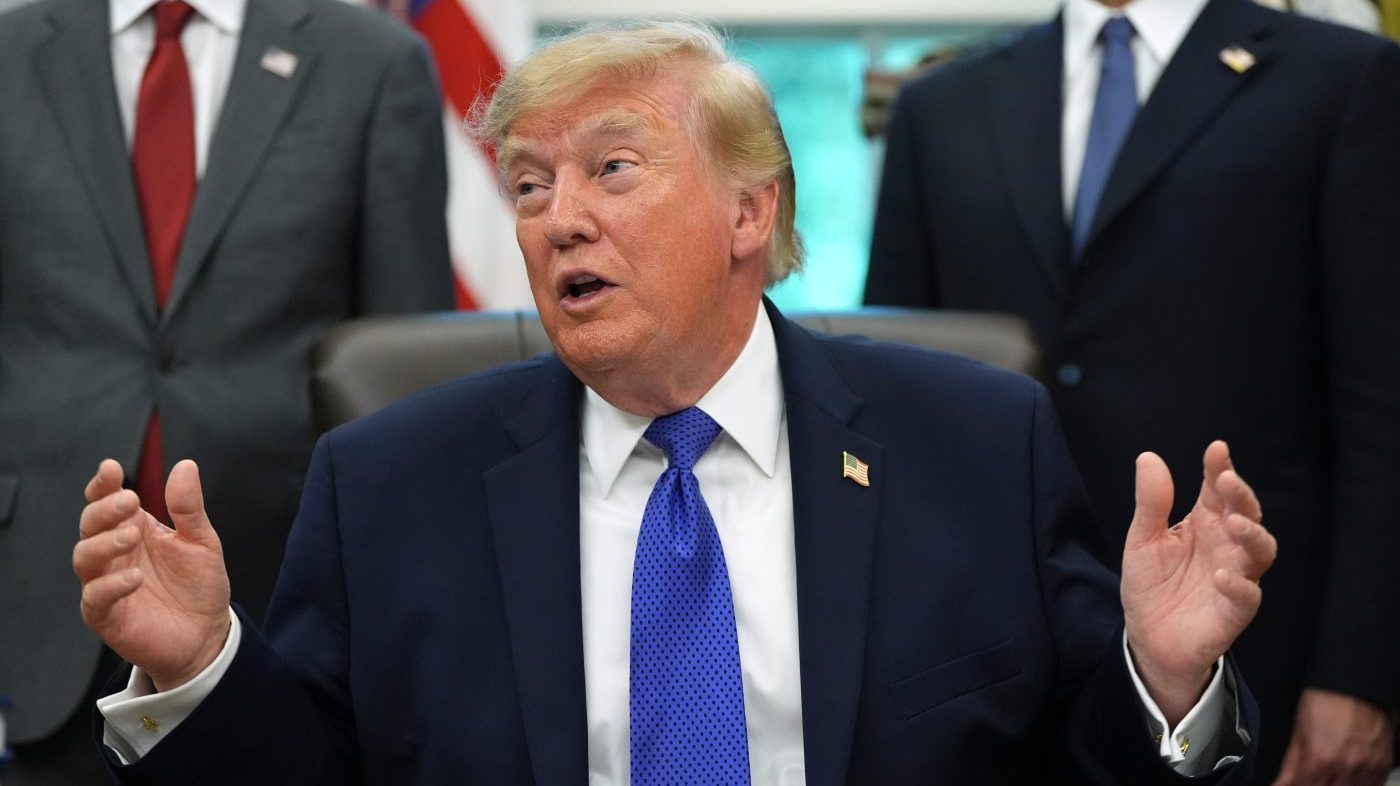
Hegseth’s comments came as Trump repeated his claim that the U.S. has “total control” of the Strait of Hormuz, a chokepoint for roughly a fifth of global oil supplies. In a Truth Social post Wednesday, Trump wrote: “Our Naval Blockade is being called, by everyone, ‘A WALL OF STEEL,’ and there is nothing Iran can do about it. They have no Navy, they have no Air Force, their remaining soldiers are unpaid, the IRGC is decimated and fleeing, and their ‘Leadership’ is uncertain, at best! They have No Money — Their country is ‘shot.’”
The president has also pressed Tehran to pay reparations for casualties during the conflict as well as past grievances.
The escalation comes as the administration seeks to avoid a wider ground war, with the economic siege strategy emerging as a central pillar. Bessent’s role in the pressure campaign has drawn attention, particularly after reports that he and Secretary of State Marco Rubio traveled on a decoy plane following a security switch. The Treasury’s moves also align with broader financial policy shifts, including criticism from lawmakers over a beneficial ownership exemption.
Analysts say the success of the new measures will depend on international cooperation, as Iran has historically weathered sanctions through trade with China and other partners. But Bessent insisted the upcoming package would be “unprecedented” in scope, signaling the administration is betting that financial isolation, combined with the naval blockade, will finally compel Tehran to negotiate.