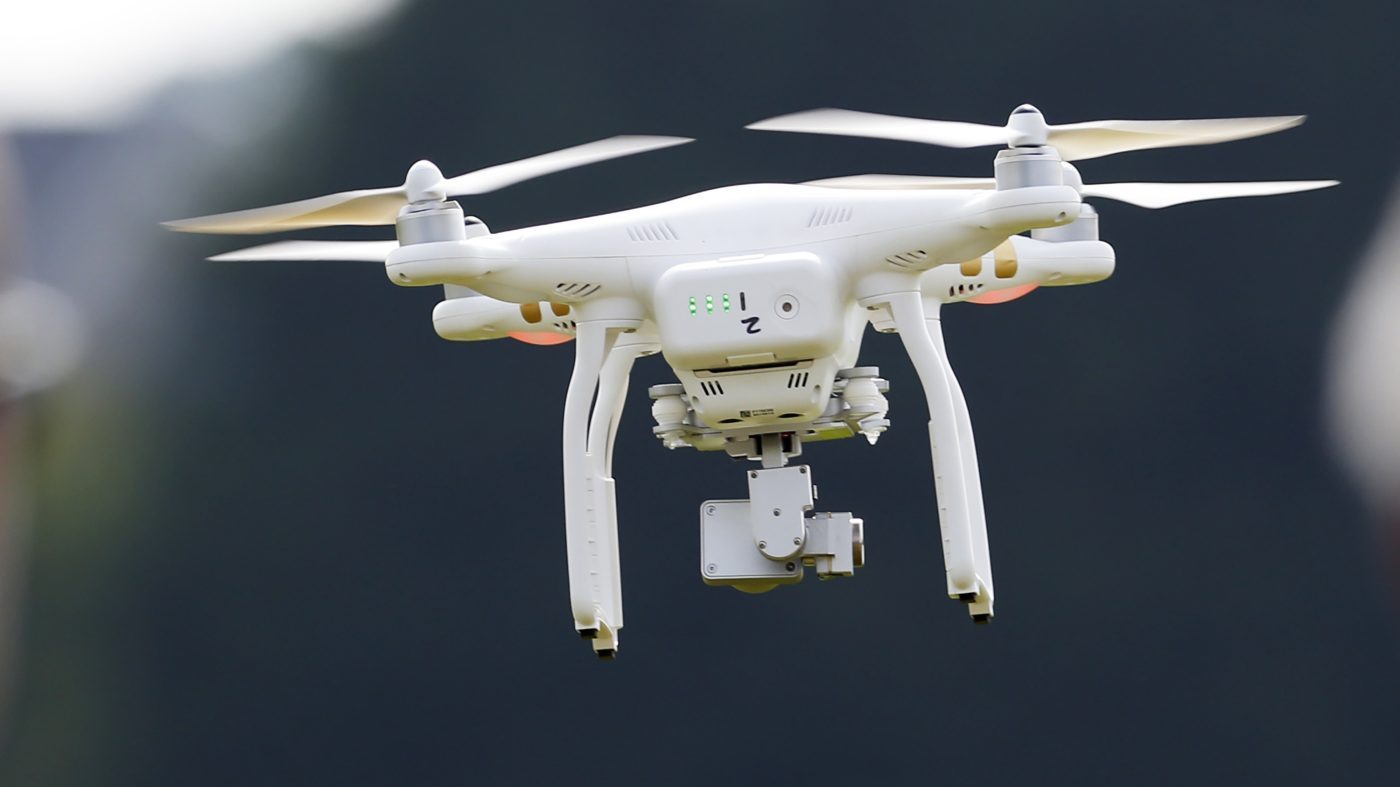
President Trump on Thursday escalated his trade war with Beijing by imposing sweeping tariffs on imported drones, a move the White House says is necessary to protect national security and rebuild America's domestic manufacturing base. The action, taken under Section 232 of the Trade Expansion Act of 1962, targets the unmanned aircraft systems (UAS) sector, which has become a critical component of modern defense and surveillance operations.
Under the presidential proclamation, larger drones equipped with sensitive capabilities—such as thermal imaging—will face a 100 percent tariff upon entry into the United States. Smaller drones and components deemed less critical will be subject to a 25 percent duty. The White House argues that these measures will encourage domestic production and reduce the country's dependence on foreign suppliers, particularly China, which currently dominates the global commercial drone market.
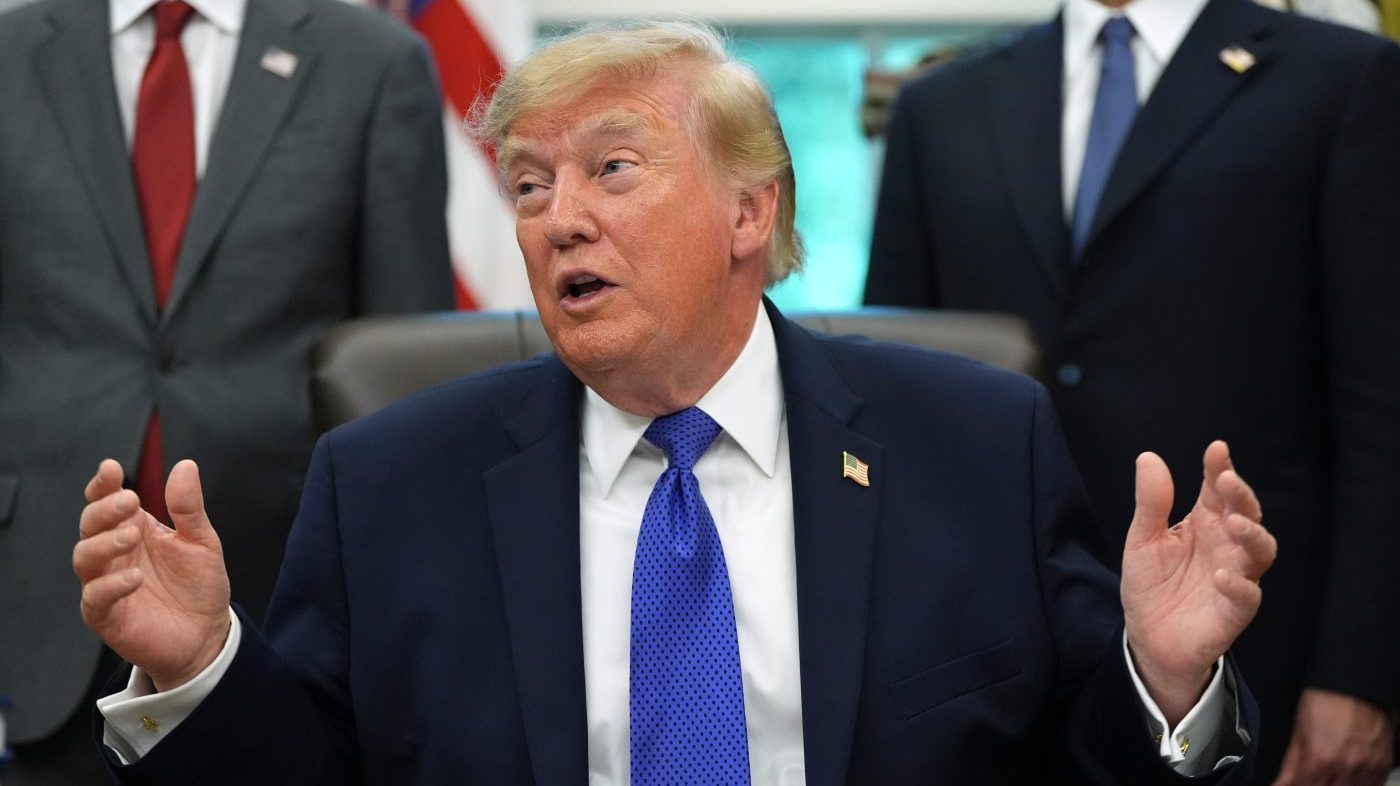
Commerce Secretary Howard Lutnick, who was ordered by Trump last year to conduct a national security review of imported drones, found that U.S. manufacturers are not yet able to meet the country's security needs in the UAS sector. The president's proclamation explicitly cites this finding as justification for the tariffs, which are intended to give American companies the breathing room they need to scale up operations.
While the tariffs are steep, the administration has carved out exceptions for several key allies. Drones from the European Union, Japan, Liechtenstein, South Korea, Switzerland, and Taiwan will face a reduced 15 percent rate. Qualifying drones from the United Kingdom will be taxed at 10 percent. These differential rates are designed to maintain strong trade relationships with partners while still pressuring China.
The proclamation also grants Lutnick the authority to establish a tariff-relief program tied to new investments in U.S. drone manufacturing. Companies that commit to building or expanding domestic production facilities could see some of their import duties reduced or waived, as part of the administration's broader "America First" economic agenda. This approach mirrors similar incentives used in previous Section 232 actions, such as those on steel and aluminum.
Industry analysts note that the tariffs could have significant ripple effects across the defense and commercial sectors. Drones are used not only for military reconnaissance but also for agriculture, logistics, and public safety. The higher costs could be passed on to consumers and government agencies, at least in the short term. However, proponents argue that the long-term benefits of a robust domestic drone industry outweigh the initial disruptions.
The move is the latest in a series of trade actions by the Trump administration aimed at reshaping global supply chains. Earlier this year, the president signed a memorandum allowing private firms to run cyber operations against crime groups, and his administration has also faced legal challenges over its use of the Alien Enemies Act. The drone tariffs are likely to face similar scrutiny from trade partners and domestic manufacturers who rely on imported components.
Critics, including some Democrats in Congress, have questioned whether the tariffs will actually spur domestic production or simply raise costs for American businesses and consumers. They also point to potential retaliation from China, which could target U.S. agricultural exports or other sectors. The administration, however, remains confident that the tariffs will achieve their intended effect, citing the success of similar measures in revitalizing the steel industry.
As the tariffs take effect, the Commerce Department will begin accepting applications for the investment-based relief program. Lutnick has indicated that the agency will move quickly to implement the program, prioritizing companies that can demonstrate a clear commitment to expanding U.S. manufacturing capacity. The coming months will reveal whether the tariffs can successfully shift the balance of the global drone market.