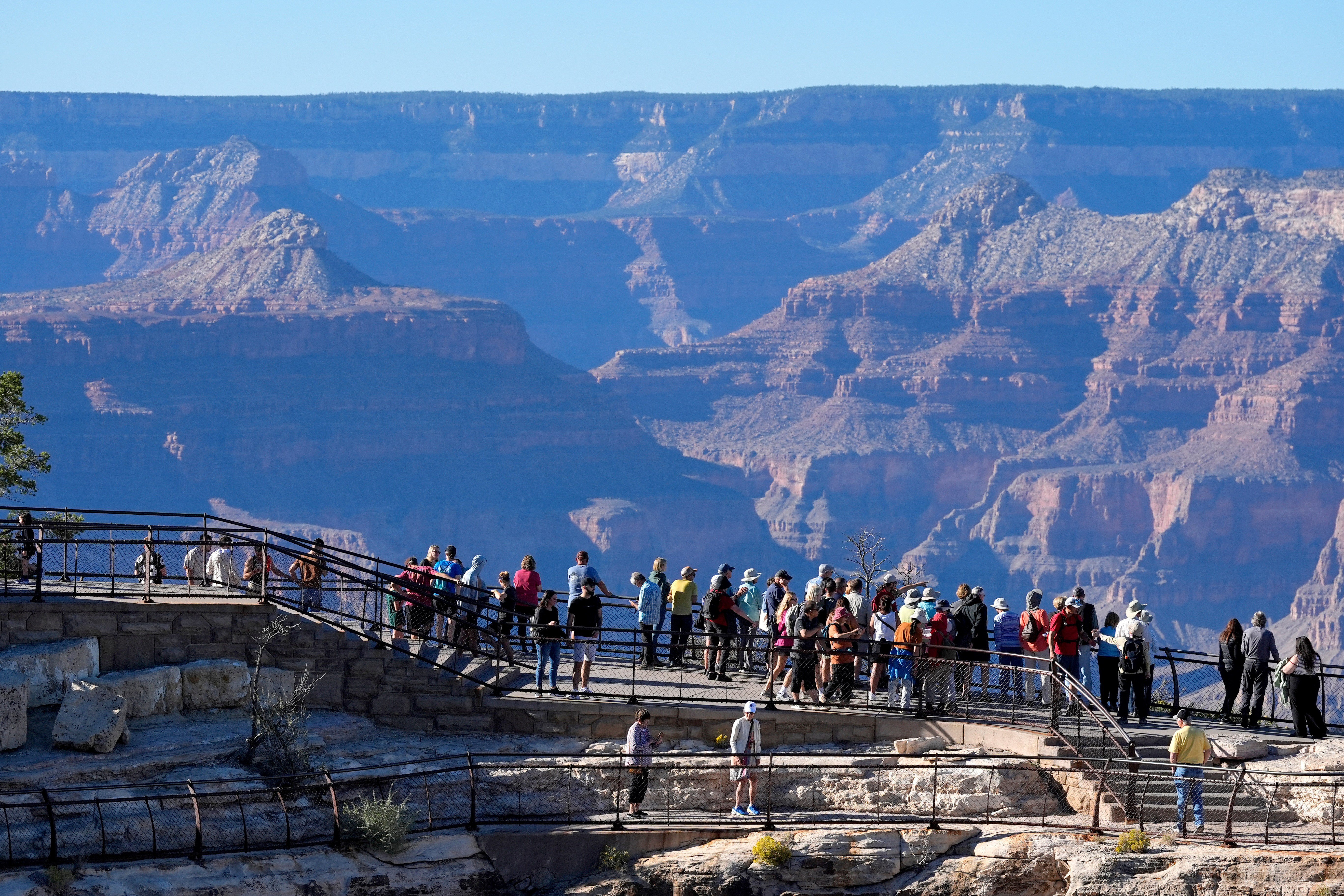
An Arizona-based tour operator filed suit against the Trump administration on Monday, challenging a policy that imposes steeper entrance fees on international visitors at some of the country’s most iconic national parks. The company, Across Arizona Tours, argues that the administration overstepped its legal bounds by raising costs for nonresidents earlier this year without congressional approval.
According to the complaint, the fee increase has directly harmed the company’s bottom line. Carole Stapleton, an owner of Across Arizona Tours, said she spoke with roughly 80 to 90 prospective customers who ultimately declined to book tours, frequently pointing to the higher fees as the reason. The suit, filed in federal court, is backed by the Pacific Legal Foundation, a libertarian-leaning legal group that often takes on cases involving regulatory overreach.
At the heart of the dispute is whether a federal agency can unilaterally set higher fees for foreign tourists. Jacob Haas, an attorney with the Pacific Legal Foundation, said in a statement that the administration’s action violates the separation of powers. “Federal agencies cannot make up fees as they please,” Haas said. “Only Congress can authorize federal fees. And Congress has never authorized higher fees for nonresidents—not least because such a policy would discourage international tourism and hurt companies like Across Arizona Tours.”
The policy, implemented earlier this year, adds a $100 surcharge per person at several of the most-visited national parks for visitors who do not live in the United States. Annual passes for nonresidents now cost $250, compared with $80 for U.S. residents. The Interior Department has defended the move, arguing that American taxpayers already subsidize the park system.
“Thanks to President Donald J. Trump, U.S. residents, who already fund the National Park System through federal taxes, are continuing to enjoy affordable pricing, while foreign tourists are paying higher entrance fees to help maintain our parks and improve visitor experiences,” an Interior Department spokesperson said. The spokesperson, who declined to be named and responded from a generic press email account, added that the administration “will continue to put American families first—making parks more accessible, more affordable and more efficient for future generations.”
The lawsuit is the latest flashpoint in a broader debate over executive authority and fee-setting. It also lands amid a series of contentious policy moves by the administration, from a childcare proposal that would pay stay-at-home parents to taxpayer-funded ads boosting Trump’s midterm push—initiatives that have sparked legal and ethical questions. The park fee case, however, centers on a narrower question: whether the executive branch can impose what critics call a tax by another name without explicit congressional consent.
Legal and economic fallout
For tour operators like Across Arizona Tours, the stakes are immediate. International visitors often book multi-day excursions that include visits to Grand Canyon, Zion, and other flagship parks. A $100 per-person surcharge can quickly add hundreds of dollars to a family’s trip, making the U.S. a less attractive destination compared with competing global attractions. The company claims that lost bookings have already translated into measurable revenue declines.
The Pacific Legal Foundation has long argued that federal agencies exceed their authority when they create new fees without clear statutory authorization. In this case, the group contends that Congress has never granted the Interior Department the power to charge different rates based on residency. If the court agrees, the policy could be struck down nationwide.
The Interior Department maintains that the higher fees are necessary to address a maintenance backlog and to ensure that foreign tourists contribute their fair share. But critics counter that the administration is effectively using foreign visitors as a revenue source while sidestepping Congress. The outcome of the lawsuit could set a precedent for how far the executive branch can go in setting user fees across federal lands and other public assets.
As the case moves forward, it is likely to draw attention from tourism-dependent businesses, conservation groups, and lawmakers on both sides of the aisle. For now, Across Arizona Tours and its legal team are pressing for an injunction to halt the nonresident fee hike while the litigation proceeds.