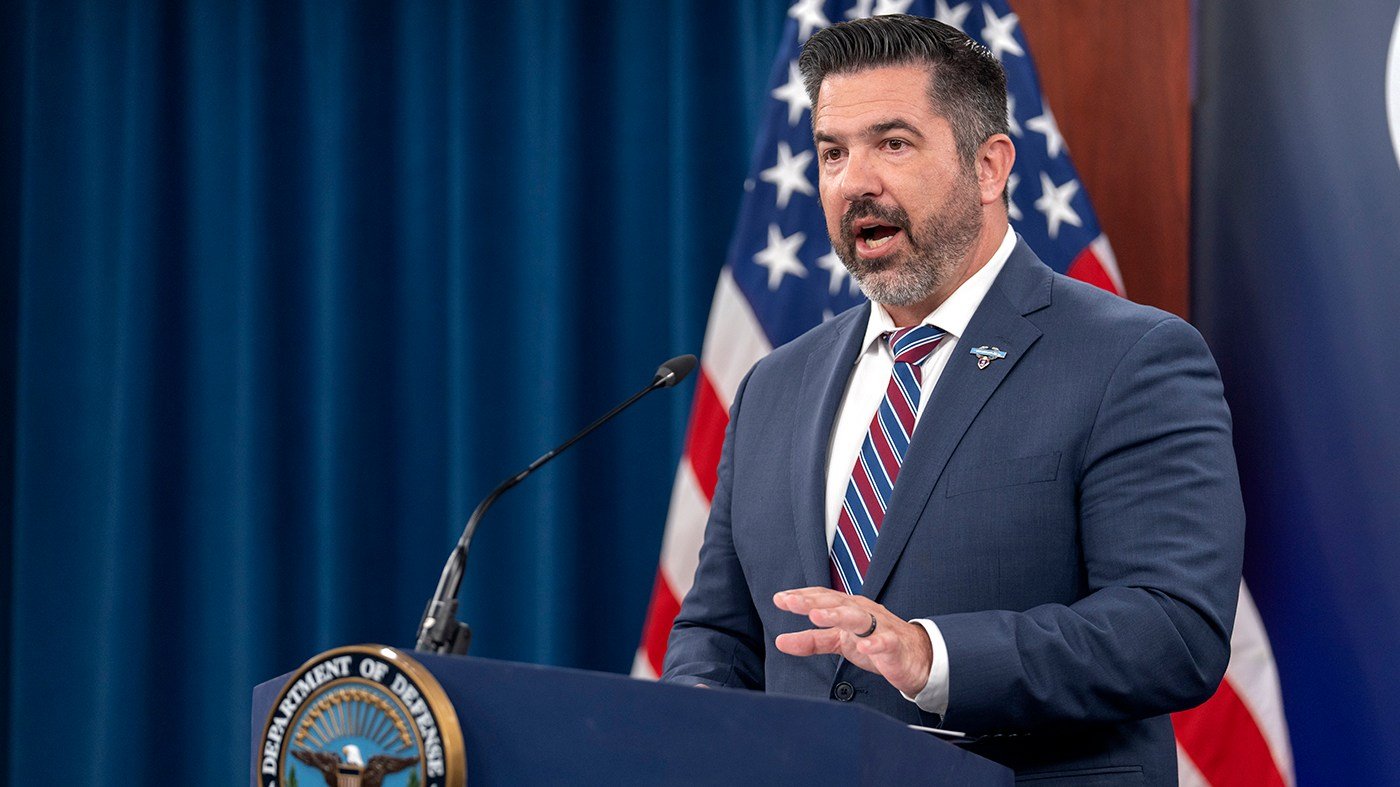
The London Defense Conference, now in its second year in Washington, convened against a backdrop of strategic uncertainty. Founded in 2022 in response to Russia's invasion of Ukraine, the conference is dedicated to strengthening defense against evolving authoritarian threats. This year's theme—winning future wars—raised more questions than answers about the West's capacity to prevail in current and future conflicts.
Since the Cold War's end—whether that was a victory or the result of Soviet internal reforms under Mikhail Gorbachev—the West's military record is hardly inspiring. The ongoing war in Iran has proven disastrous for the United States. Meanwhile, Ukraine, with a population of 29 million, continues to resist Russia's much larger force of over 140 million, which has already suffered 1.5 million casualties. The only unequivocal Western victory cited was Britain's 1982 Falklands War, when Prime Minister Margaret Thatcher ordered Operation Corporate to reclaim islands 6,000 miles away from Argentina.

The nature of warfare has transformed dramatically. Drones, missiles, and artificial intelligence have leveled the battlefield, enabling weaker states and non-state actors to wield formidable capabilities. For instance, a relatively cheap ballistic missile can be countered by the U.S. Navy's SM-3 interceptor, but each interceptor costs over $27 million. This economic asymmetry drives the push for cheaper weapons and uncrewed systems—surface, subsurface, and aerial—to save lives, echoing the adage: never send a man where you can send a bullet. However, the conference also pondered what happens when uncrewed systems approach the cost of manned ones, and noted that while drones save lives, they are also Ukraine's deadliest weapons.
The conference initiated a critical dialogue about America's strategic failures. As I have previously argued, the U.S. has lost every war it started since World War II, regardless of which party held power. The causes are consistent: a lack of understanding of how military force achieves strategic outcomes, hubris in assuming superiority, misreading enemy intentions, political expediency, and bureaucratic paralysis.
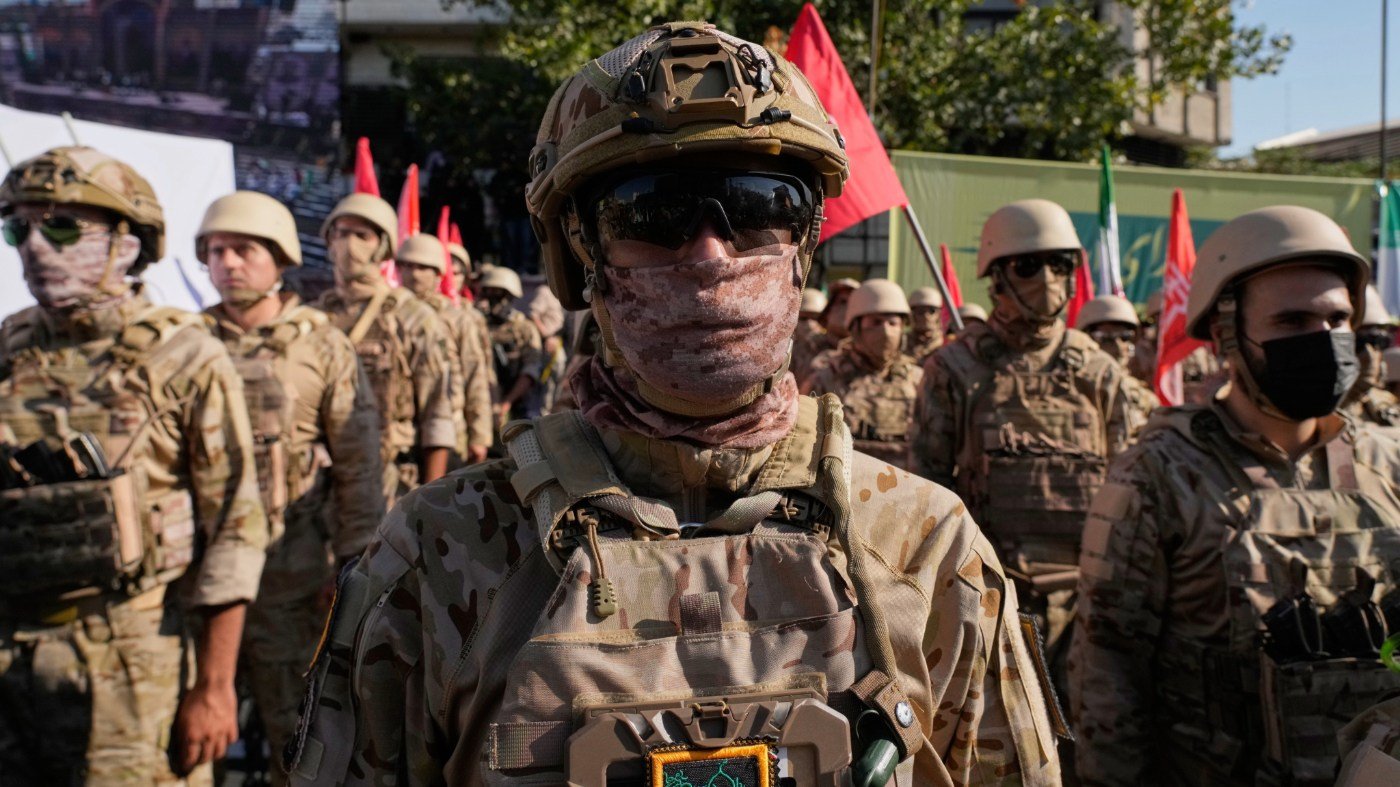
From Vietnam, where President Lyndon Johnson cited an imminent communist threat, to Iraq, where Saddam Hussein had no weapons of mass destruction, the justifications for war proved false. In Afghanistan, the hunt for Osama bin Laden morphed into an impossible nation-building mission. And in the current Iran conflict, the administration failed to anticipate Tehran's likely closure of the Strait of Hormuz or attacks on Gulf allies, escalating the war to Yemen.
Both Republican and Democratic administrations have committed these errors. To prevent future blunders, the conference underscored the need for rigorous threat assessment. China is now the primary U.S. adversary, with the goal of defending Taiwan despite strategic ambiguity. Europe fears that after Ukraine, Putin might target Baltic states or even Svalbard off Norway. Yet, are these fears exaggerated, akin to past overestimations of communist threats or Iraqi WMDs? While absolute certainty is impossible, analyzing possibilities is essential.
As Ronald Reagan famously said, "Trust, but verify." We must verify that China and Russia are indeed the threats we believe before taking actions we may regret. This principle should guide future strategy, ensuring that the West wins future wars—not just battles.