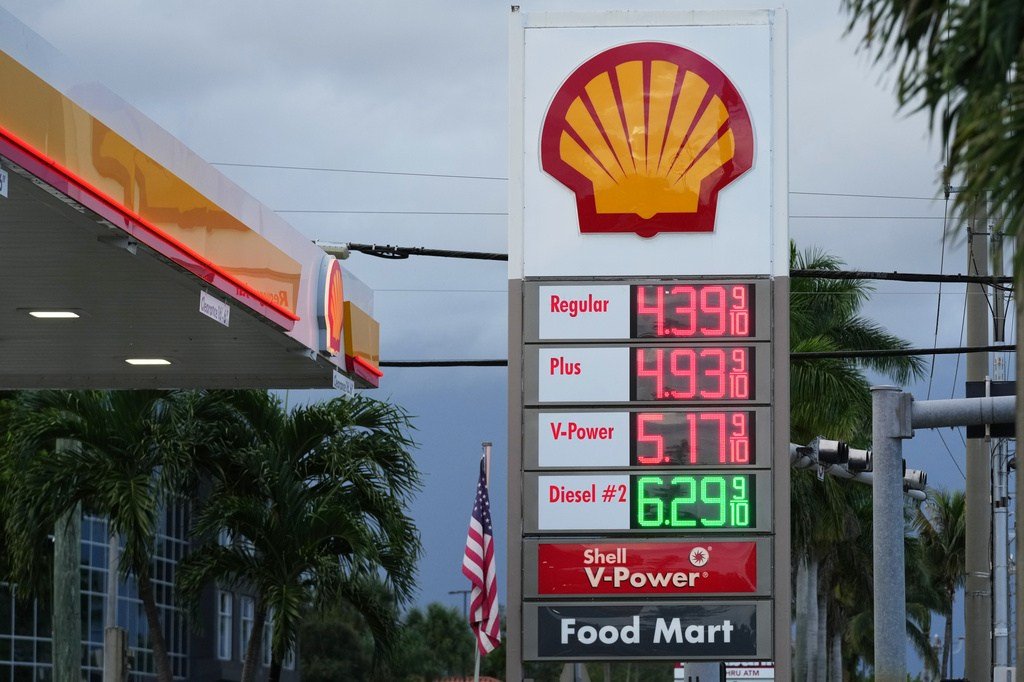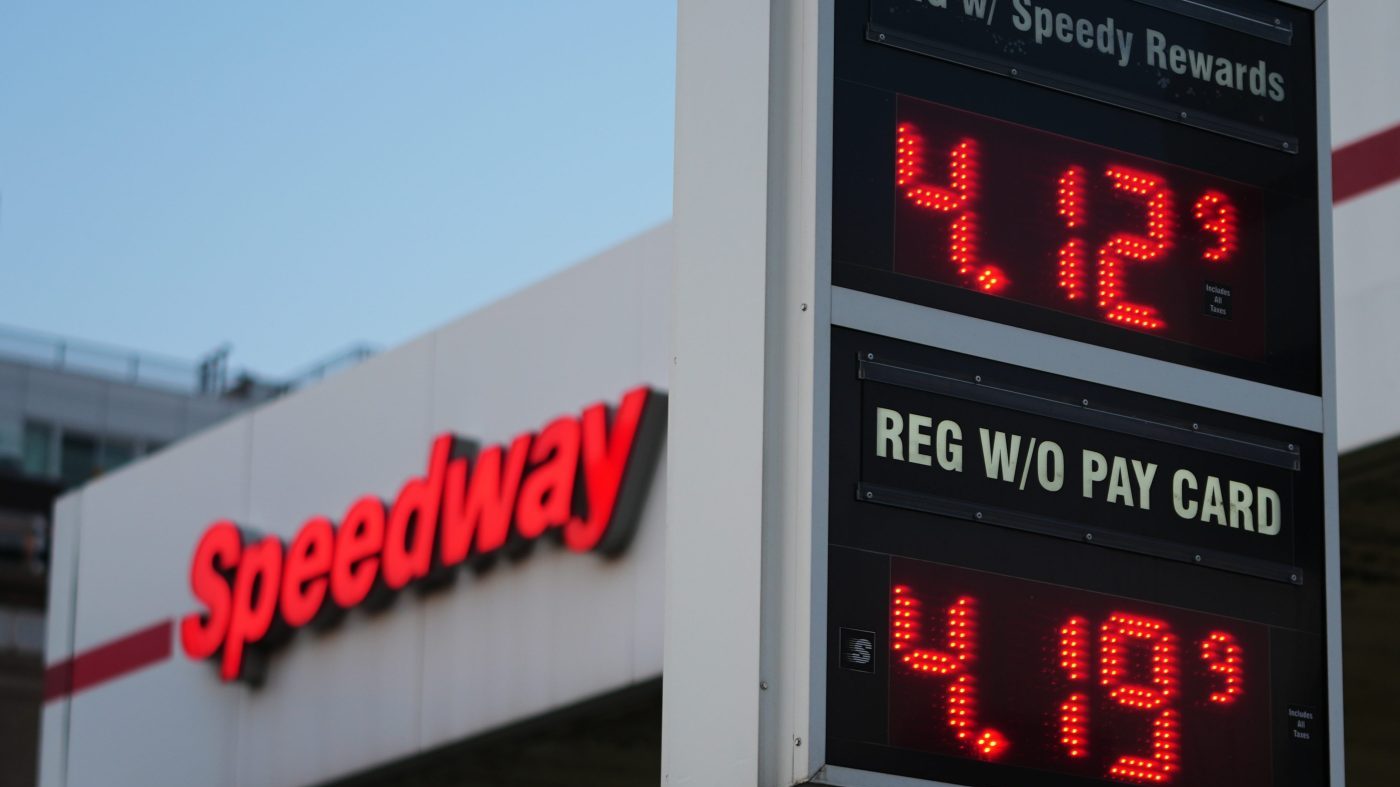
The national average price of gasoline reached an unprecedented level for this date on Wednesday, according to fuel price tracker GasBuddy. Patrick De Haan, head of petroleum analysis at GasBuddy, noted in a social media post that the average has never exceeded $4 per gallon after August 12 in any prior year.
On Wednesday morning, the national average was just above that threshold, marking a significant milestone. The previous record for this date was set in 2022, when prices hovered around $3.98 per gallon. The new high comes after months of volatility in oil markets, largely driven by the effective closure of the Strait of Hormuz amid the ongoing conflict with Iran.

The strait, through which roughly 20% of the world's oil consumption passes daily, has been closed due to intermittent strikes and a U.S. naval blockade. This disruption has sent shockwaves through global energy markets, contributing to the surge in fuel prices.
Iran and Oman have signaled that they are nearing an agreement to reopen the critical waterway. However, on Saturday, a senior Iranian official outlined Tehran's conditions for negotiations, including the lifting of the naval blockade, the removal of sanctions, and war reparations from the United States.
President Trump rejected those demands, insisting that Iran should compensate victims of its actions, citing roadside bombs and other conflicts. On Wednesday morning, Trump escalated his rhetoric, declaring on Truth Social that the U.S. has "total control over the Strait of Hormuz." He added, "I THINK WE WILL KEEP IT! Our Naval Blockade is being called, by everyone, 'A WALL OF STEEL,' and there is nothing Iran can do about it."
The standoff has exacerbated concerns about energy security, with analysts warning that prolonged closure could push prices even higher. The record fuel costs are likely to become a major political issue, especially as the conflict continues to affect American households.
For more on the broader implications of the Iran conflict, see Trump's approval ratings amid the war. Additionally, the surge in fuel prices could have ripple effects on other sectors, as seen in emergency power measures in Europe.
As the situation evolves, the Biden administration (or current administration) faces mounting pressure to address the economic fallout. The record gas prices are a stark reminder of the interconnectedness of geopolitical events and domestic economic stability.