Governments across Central and Eastern Europe are scrambling to stave off an energy crisis as the Danube River hits record lows, crippling power generation and forcing emergency conservation measures. The river, a vital artery for the region's energy infrastructure, has been starved by persistent drought and successive heat waves, leaving plants in Hungary, Serbia, and Romania struggling to operate.
In Budapest, the Danube's water level plunged to around 10 centimeters (4 inches) on Monday, shattering the previous all-time low of 33 centimeters (13 inches) set in 2018. With no significant rainfall in the forecast and another heat wave pushing daytime highs above 38°C (100°F), electricity and water demand are climbing even as supply falters.
Hungary's Paks Plant on the Brink
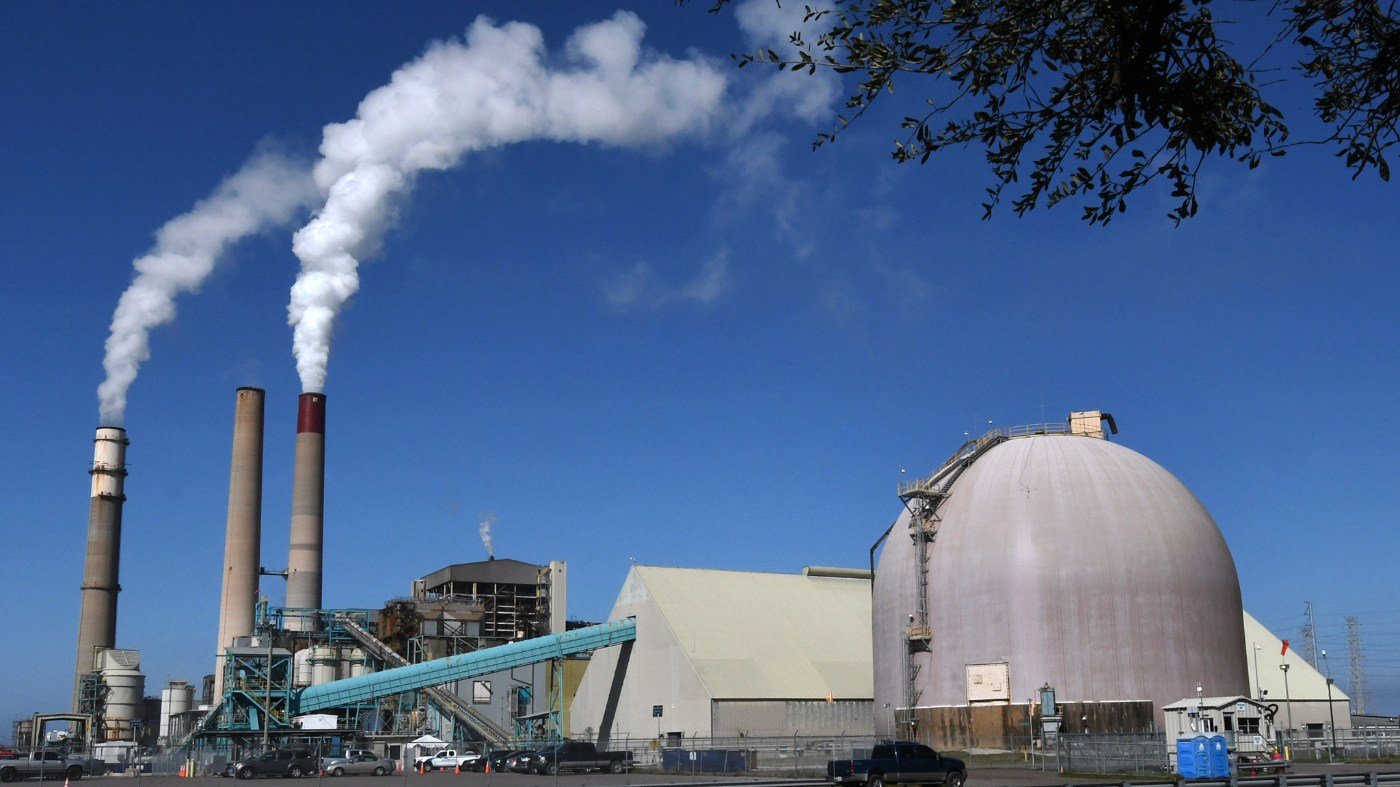
Hungary's only nuclear power station, the Soviet-era Paks plant, has been forced to the edge of a full shutdown for the first time in its 44-year history. The four-reactor facility, which relies on Danube water for cooling, was producing just 240 megawatts on Monday, a fraction of its usual 2,000 megawatts. In a Facebook video, Hungarian Prime Minister Péter Magyar said engineers had managed to keep one turbine running temporarily, averting a shutdown over the weekend. "This is very good news, because the complete shutdown of the Paks power plant can still be avoided, at least temporarily, on one of the biggest consumption days," he said, warning that a full power-down was likely by Tuesday or Wednesday.
Paks, located about 90 kilometers (55 miles) south of Budapest, supplies nearly half of Hungary's electricity and about a third of its consumption. To offset the shortfall, Hungary has been relying on regional imports and renewables, but the government has also imposed conservation measures. Last week, authorities asked major industrial users to cut electricity use and urged households to voluntarily reduce consumption during peak hours from 5 p.m. to 10 p.m. Electric-powered freight trains were barred from running during those hours starting Monday, saving an estimated 70 to 90 megawatt-hours per day.
While initial measures were voluntary, Magyar's government issued a decree on Saturday allowing mandatory cuts for large industrial and commercial consumers. Magyar credited the public's efforts for a 700-megawatt reduction in usage the previous day and thanked Hungarians for their cooperation.
Serbia and Romania Face Severe Disruptions
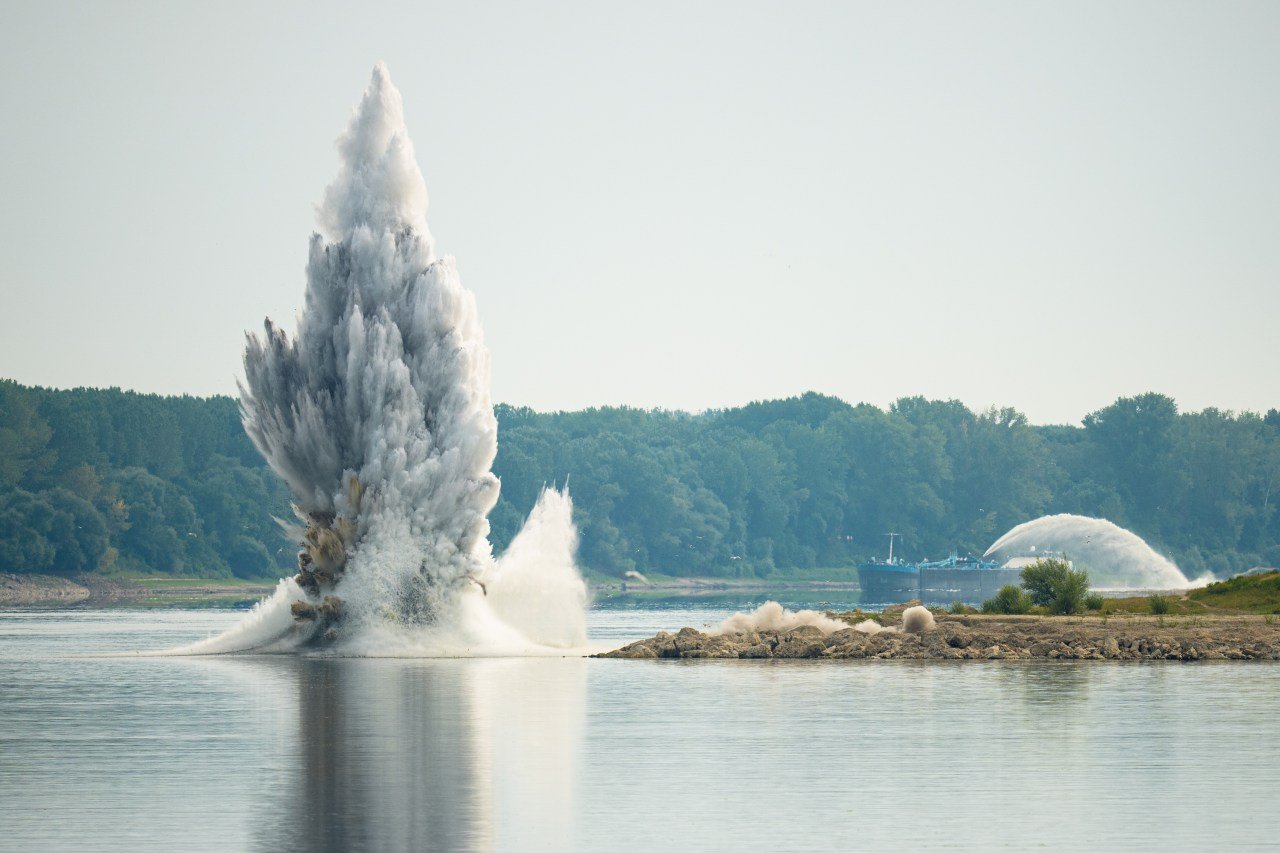
Neighboring countries are also feeling the strain. In Romania, the military used 180 kilograms (397 pounds) of explosives on Monday to blast rock near the Danube's Bala Canal, redirecting water into the main channel to supply the state-owned Cernavoda nuclear plant. The river's flow in Romania has dropped to 1,500 cubic meters per second, less than a third of its July average. One reactor at Cernavoda has already been shut down, cutting the plant's output to about half its normal capacity.
Acting Prime Minister Ilie Bolojan declared a nationwide state of alert in the energy sector on Friday, warning that low water levels threatened the second reactor at Cernavoda. He appealed to citizens to limit electricity use during evening peak hours. After meeting with major industrial consumers on Monday, Bolojan said carmakers Dacia and Ford had halted production until Aug. 19 for maintenance, while other companies agreed to reduce energy usage during peak times.
In Serbia, record-low Danube levels have reduced the country's key hydroelectric plant to just 20% capacity. Prime Minister Djuro Macut convened an emergency meeting on Monday to address the energy crisis, urging residents to "minimize the use of big consumers of electricity in their homes, such as air conditioners." He described the situation as "serious and demanding" in a statement late Sunday.
The crisis underscores the fragility of energy systems in the region, which are heavily dependent on river water for cooling and hydroelectric generation. As climate change intensifies droughts and heat waves, such vulnerabilities are likely to become more frequent, raising questions about the long-term resilience of Eastern Europe's energy infrastructure. For now, governments are focused on short-term fixes, but the specter of rolling blackouts looms if the Danube does not recover soon.