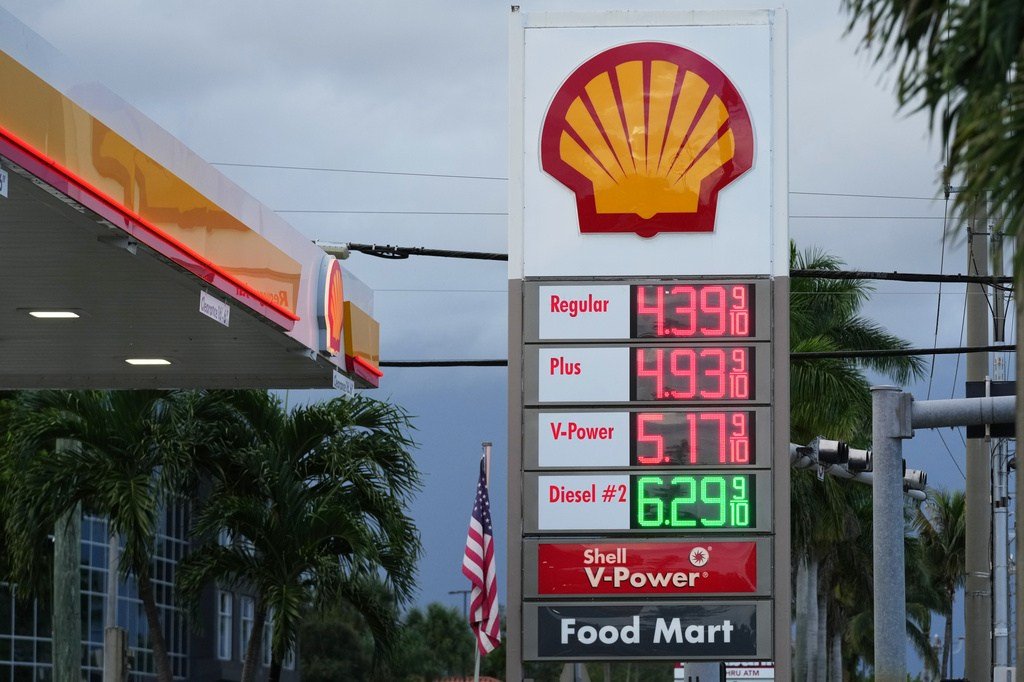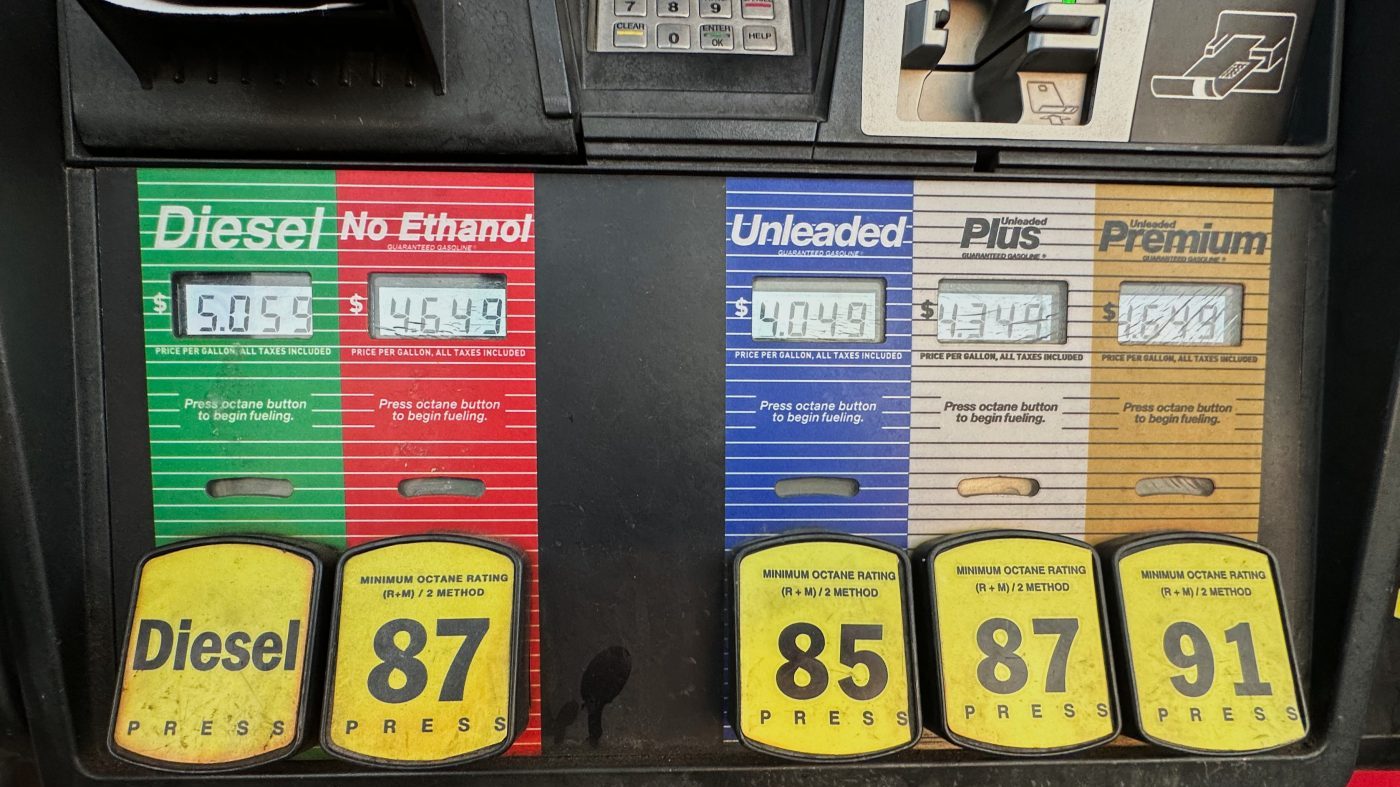
American motorists are still paying roughly $4 per gallon at the pump, an unusually high level for late summer, as the conflict with Iran continues to rattle global energy markets. The average U.S. gasoline price stood at about $4.04 on Wednesday, according to AAA—nearly 90 cents higher than the same time last year.
“We’re paying more than we’ve ever paid this time of year,” said Tom Kloza, chief oil analyst at Gulf Oil. “For August, this is pretty high.”
The sustained prices come as the war has curtailed shipping through the Strait of Hormuz, a critical chokepoint for crude and refined products. That has forced countries that rely on Middle Eastern crude to seek alternative supplies, including refined fuels from the United States. David Doherty, head of natural resources at BloombergNEF, explained that “certain markets buy crude from the Middle East and then they process that…and some of them can’t do that now,” adding that “the U.S. is basically sending a bunch of different oil products to Europe to fill some of the gap.”
Analysts say the problem is less about crude production and more about refining capacity. “It’s not a crude oil production crisis now. It’s more of a refined products production crisis,” Kloza said, pointing to drone strikes in Russia and the Middle East that have taken refineries offline.
The elevated gasoline prices are also feeding into broader inflation concerns. Diesel, which fuels trucks that move goods across the country, is also expensive, and Kloza warned that “the biggest problem with the CPI going forward will arrive via the additional costs related to freight and movement that are tied to high diesel prices.” That could mean higher prices for everyday products in the coming months.
Looking ahead, Kloza projects that prices could remain stubborn for the next four to five weeks. Jim Mitchell, director of oil trading analytics at Wood Mackenzie, expects high prices for the next four to six weeks, but sees relief after that. “With winter gasoline, you’re blending in way cheaper components, so, once we get by probably the next four to six weeks, we’ll see much upward price pressure on gasoline,” he said.
The political stakes are rising as the midterm elections approach. Fuel costs and affordability are expected to be major voting issues. Kloza said, “I don’t think we’re going to have apocalyptic prices in the next 90 days or so, but I do think they’re going to be as high as they’ve ever been for this time of year.” He added that, barring a major hurricane, the average could settle around $3.50 to $3.75 per gallon.
The last time gasoline prices spiked this high was in 2022 during Russia’s war with Ukraine, when the average peaked above $5 per gallon. By August of that year, prices had eased to about $4.09, and by mid-August slid to $3.99. The current plateau is notable because it is occurring later in the season, when demand typically wanes and cheaper winter-blend fuels become available.
As the conflict drags on, public fatigue is growing. A recent poll found that only 33% of Americans back U.S. military strikes on Iran, and lawmakers like Rand Paul have argued that the war has left the U.S. worse off, with soaring gas prices. The administration has sought to address the issue by pushing for the reopening of a shuttered refinery in St. Croix, but the impact remains to be seen.