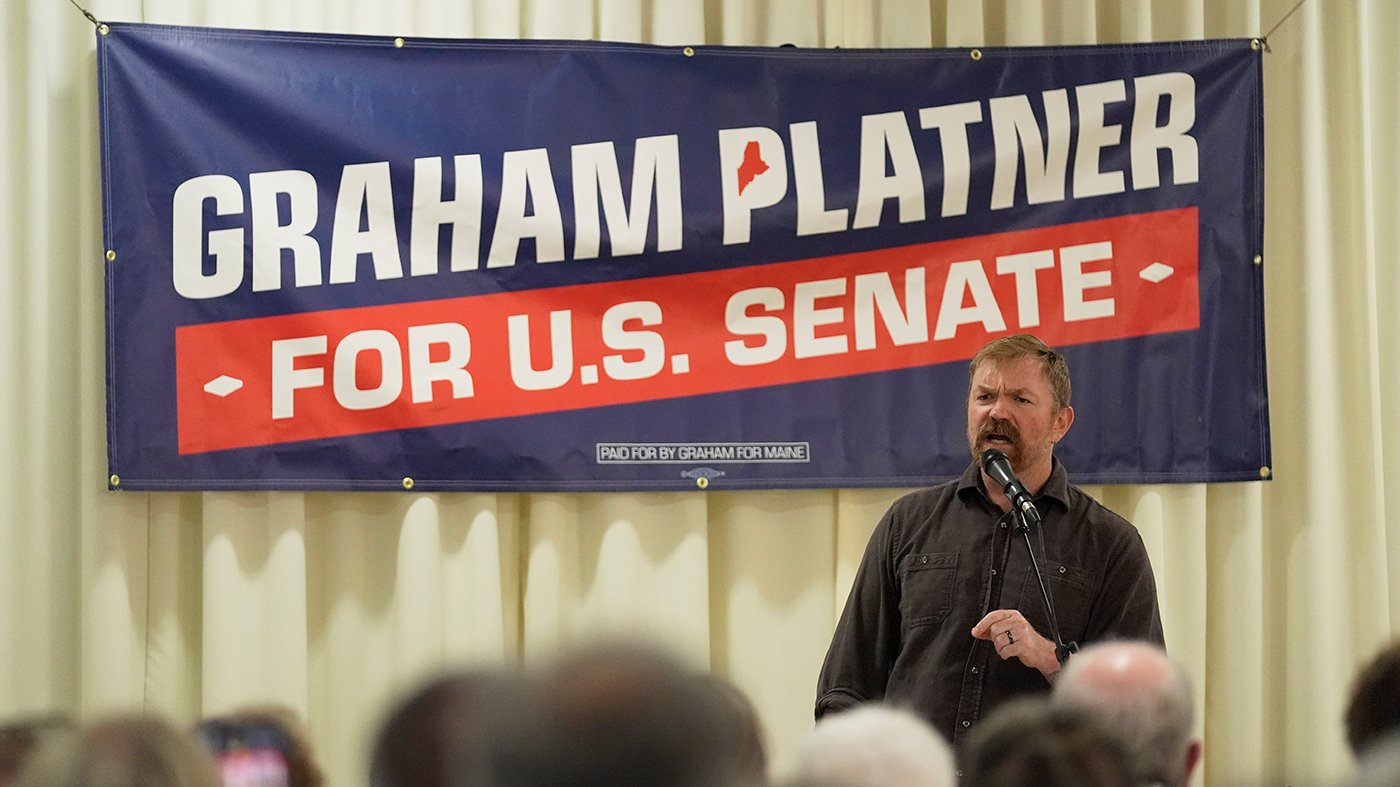
Maine Democrats are racing to move past the implosion of Senate candidate Graham Platner’s campaign, but internal strife is complicating efforts to find a replacement before a critical Monday deadline. The party’s hopes of flipping a Senate seat crucial to Democratic control in November hinge on a smooth transition, but escalating tensions between Platner’s team and the state party are undermining that goal.
Devon Murphy-Anderson, executive director of the Maine Democratic Party, posted a video Tuesday promising an “open, inclusive, transparent and fair” candidate selection process. However, she accused Platner’s campaign of trying to manipulate the process, setting off a public feud. The party’s plan depends on Platner dropping out—something he has yet to do—and the situation reached a boiling point Wednesday.
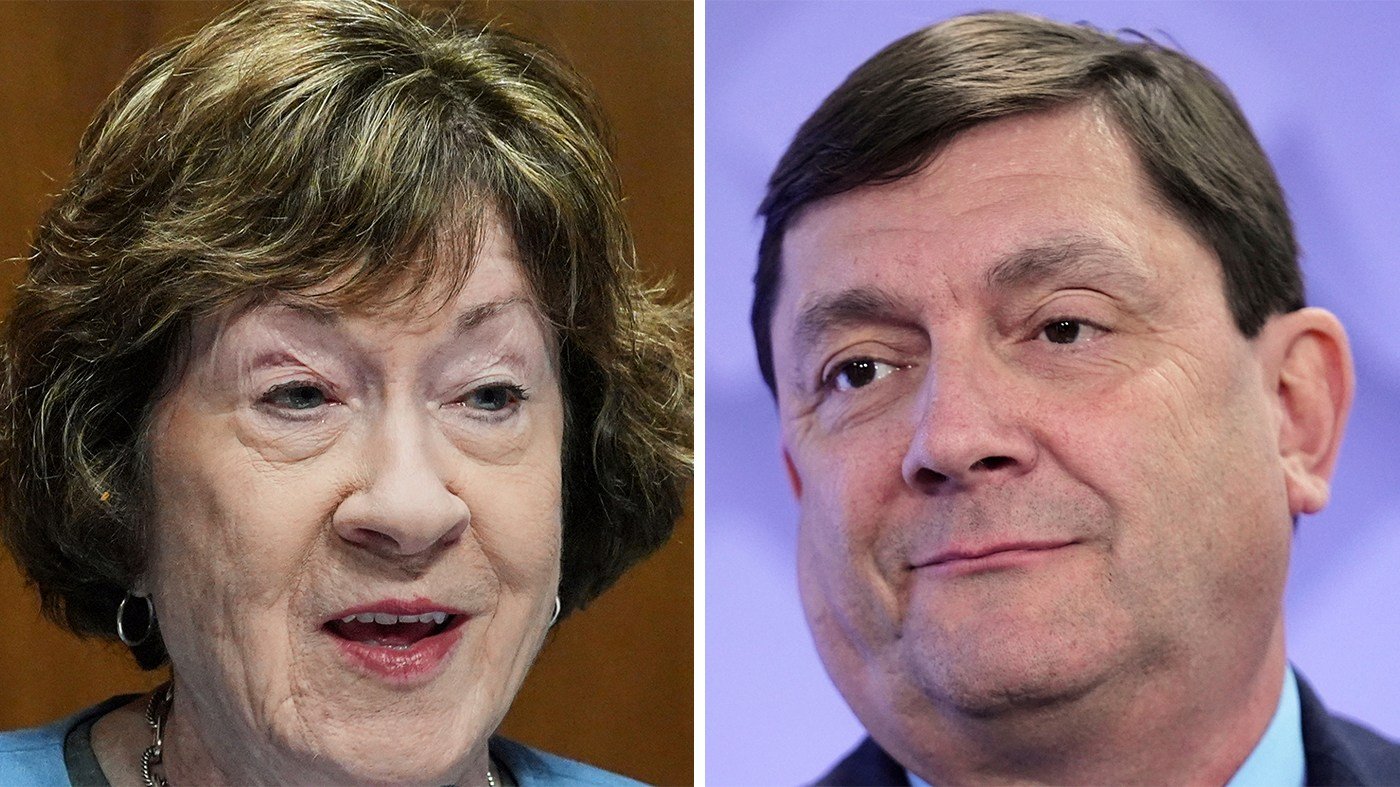
Platner’s campaign manager, Ben Chin, sent a mass text alleging that the state party allowed the Senate Democrats’ campaign arm “to send staffers to plan a potential nominating process behind closed doors.” He claimed Platner’s team was excluded and sought feedback from supporters on their views of the party and the Senate Democratic candidate. A spokesperson for the Senate Democrats’ campaign arm dismissed the accusation as “false,” stating, “The Maine Democratic Party has made it clear that they are working to put forth an open process to select a nominee. Graham Platner—who was credibly accused of rape—needs to drop out immediately so that Maine Democrats can begin the process of fielding a new candidate and focus on defeating Susan Collins.”
Murphy-Anderson fired back on social media, accusing Platner’s campaign of staying “focused on distracting from the job of defeating Susan Collins in November with false accusations against us.” She reiterated the party’s commitment to a “representative, transparent and inclusive process” once Platner withdraws. The infighting has made it difficult for Democrats to unite behind a replacement, with several potential candidates already emerging.
Potential contenders include Troy Jackson, former Maine Senate president; Nirav Shah, former Maine CDC director; Shenna Bellows, Maine secretary of state; and Dan Kleban and Jordan Wood, both former Senate candidates. Jackson, Shah, and Bellows all ran for governor but lost in the primary to Hannah Pingree. Some Democratic strategists expect these three to lead the pack, even if the candidate pool expands. Bev Uhlenhake, former Maine Democratic Party chair, emphasized the need for a “pragmatic” choice—someone with campaign experience, prior consideration of a major run, and thorough vetting.
The process for replacing a candidate at this stage is largely undefined, with few precedents at this scale. The state party will likely choose between a caucus or convention, either in person or virtual, balancing logistical constraints with transparency. Amy Fried, political science professor emerita at the University of Maine, predicted a “good faith effort” toward openness but acknowledged potential controversy. “It could be there’ll be also some controversy about that, and some people will think it’s insufficient, but it’s just not an easy thing to pull off in a short period of time,” she said.
State party conventions typically draw about 1,500 delegates, and few venues in Maine can accommodate that many on short notice. An in-person convention would be a significant expense and logistical challenge. Uhlenhake suggested a virtual voting process, standard since COVID-19, possibly combined with an in-person component, but stressed that “everything at this point is speculation.” She warned against technical glitches, saying, “The last thing they want to do is set up a process that then has technical glitches, so they’re going to test it, test it and test it to make sure that it works… before they announce anything.” Maine Democrats have experience with caucuses, having held a presidential caucus in 2016, but that process was later abandoned.
The rape allegation against Platner has deepened factional rifts within the party, as seen in the ongoing fallout. Some supporters have expressed frustration, with Uhlenhake noting, “There’s a lot of frustration that he’s not getting out. He obviously can’t survive.” The party is now under pressure to deliver a fair and inclusive process, as the clock ticks toward the deadline.