Vermont has made history by becoming the first state to prohibit paraquat, a herbicide widely used in agriculture and increasingly tied to Parkinson's disease. The ban, signed into law this week, marks a significant shift in the national debate over the chemical's safety.
Advocates for the ban, including the Michael J. Fox Foundation, praised Vermont's move as a catalyst for broader action. Dan Feehan, a foundation representative, said the decision reframes the conversation: now, the question is not which state will be first, but which will be last to act.

Paraquat's Risks and the Parkinson's Debate
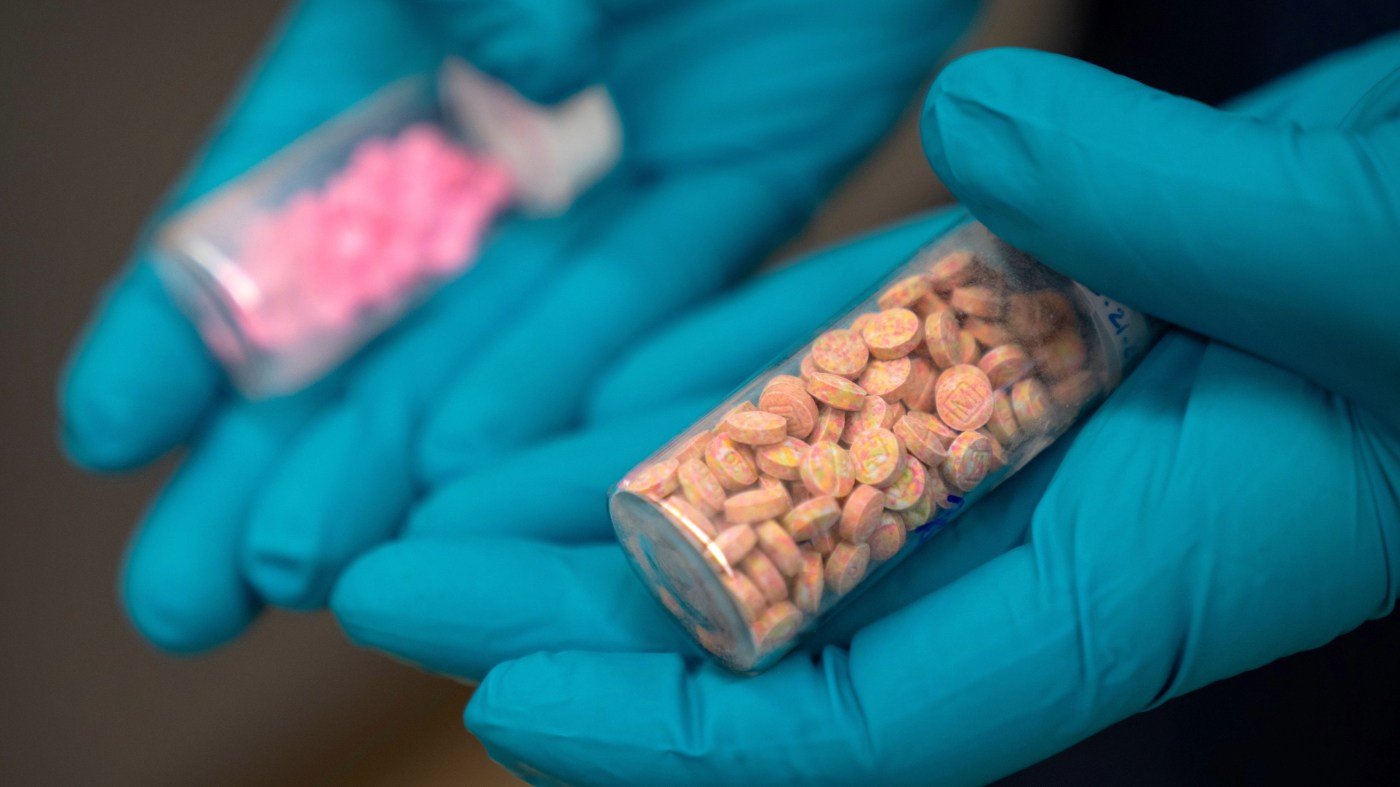
Paraquat is one of the most toxic herbicides on the market. It can be fatal if ingested and is linked to chronic health problems from skin contact. Farmworkers are especially vulnerable, prompting the EPA to mandate special training—a roughly hour-long course with a quiz every three years—for certified applicators.
The link between paraquat and Parkinson's has been fiercely debated. The EPA currently reviews the chemical's safety and has said there is no clear causal connection. Syngenta, the Swiss manufacturer that recently announced it would stop global production, defended paraquat, stating that no peer-reviewed study has proven it causes Parkinson's. However, Dr. Philip Landrigan, an epidemiologist at Boston College, counters that multiple studies show environmental exposures, including to paraquat, increase Parkinson's risk.
Farmers Face Economic Pressure
The ban is not without controversy. Greg Burtt, a Vermont apple orchard owner and Republican lawmaker, calls paraquat a critical tool for his operation. He warns that the ban puts local farmers at a competitive disadvantage against growers in other states who can still use the cheaper herbicide. Alternatives exist—such as other herbicides, mechanical tilling, or hand weeding—but they come with higher costs and risks. Burtt, who has used paraquat for two decades, says he is not convinced of the health risks, noting he has wrestled with the safety data himself.
The ban takes effect November 1, but fruit growers have until 2030 to transition. Some farmers worry about their profit margins, especially as similar bans in other states—where paraquat use is heavier—have repeatedly stalled.
National and Global Context
Paraquat is used extensively in the U.S., particularly in the South, Midwest, and California, with over 10 million pounds applied in 2018, according to the USGS. Yet it is banned in the European Union, the UK, China, Vietnam, Malaysia, and Thailand. Vermont's move comes amid broader scrutiny of pesticide regulation, including a recent Supreme Court ruling that shielded Bayer from state warning claims over Roundup.
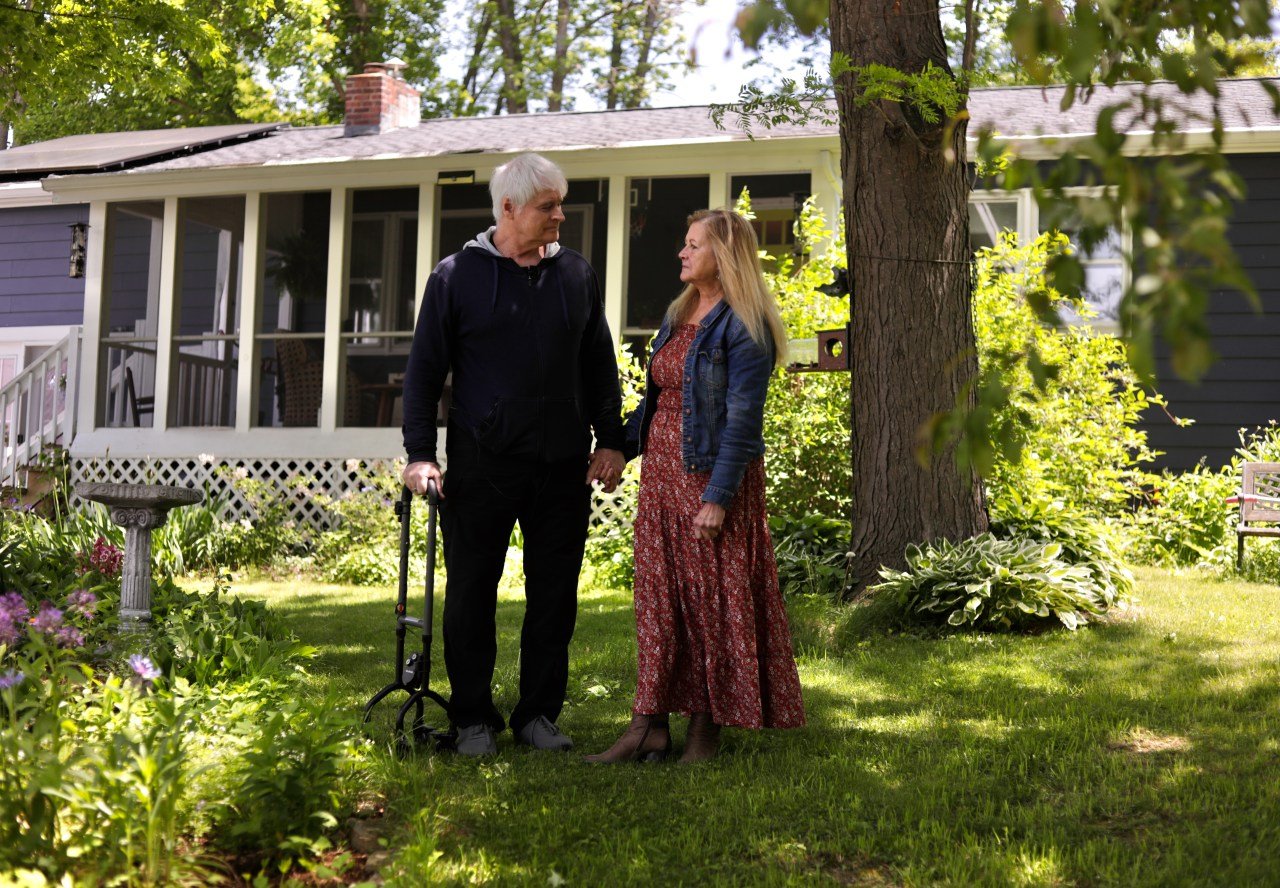
For the Parkinson's community, the ban is a hard-won victory. Ron McConnell, a Vermonter diagnosed with Parkinson's after workplace exposure to a different toxin, said there is no safe way to use paraquat. The law, he argues, protects farmers and farmworkers alike.
As other states watch Vermont, the debate over paraquat's future—and its toll on public health—is far from settled.