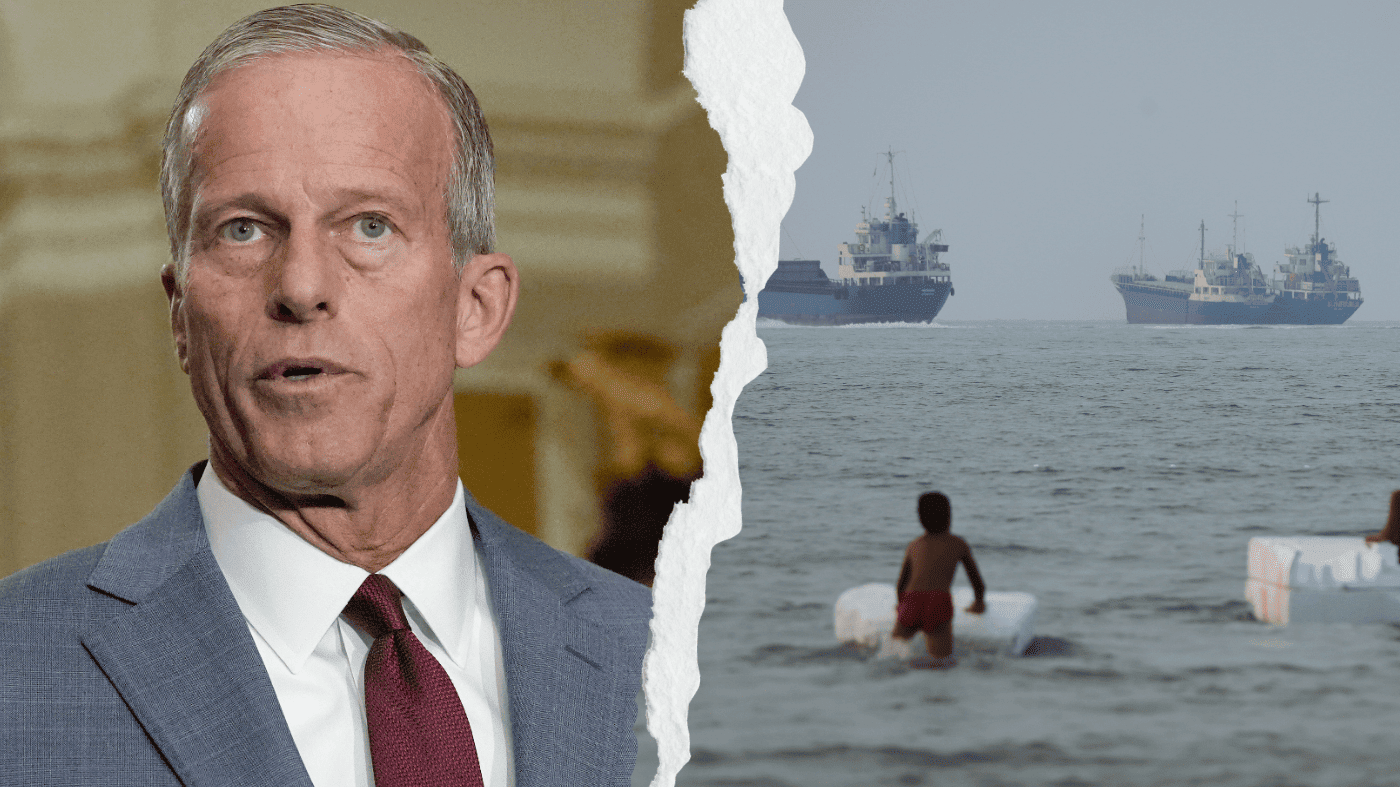
Iranian officials said Saturday that Tehran and Oman are nearing a final framework for reopening the Strait of Hormuz to commercial shipping, but they made clear that any agreement would require the United States and Israel to offer significant concessions. The comments came as Vice President Vance tempered expectations about the pace of talks, describing the U.S.-Iran engagement as still in "the middle of the game."
The diplomatic signals emerged as the Senate ended a marathon legislative stretch, voting overnight to confirm Todd Blanche as attorney general and passing a stopgap spending bill to keep the government funded. Senators then departed for the traditional August recess, leaving behind a backlog of unresolved business and a series of political battles that will now simmer until September.
Blanche's confirmation was a key win for the administration, but it came after a turbulent few days. His nomination had appeared shaky earlier in the week, and the final vote underscored how the Senate's pre-recess agenda was nearly derailed. In the end, lawmakers also confirmed dozens of other nominees in a single procedural vote, a move that allowed them to clear the calendar before heading home.
The rush to adjourn was not without friction. President Trump pushed Senate Republicans to stay in session to take up a college athlete pay bill, but leadership opted to leave that fight for the fall. The decision has already become a sticking point among GOP lawmakers, with some arguing that the party should have used the summer to press its legislative agenda.
Meanwhile, the economic picture darkened just as lawmakers left town. Friday's jobs report showed employers cut 23,000 positions in July, far below expectations and a sign that the labor market is cooling. With inflation still running hot and affordability squeezing households, the weak data is likely to fuel voter anxiety heading into the midterm elections. Democrats are particularly concerned that the economy could dominate the fall campaign, as they did in 2010 and 2014.
The White House sought to put a positive spin on the numbers, but even some administration allies acknowledged that the report complicates their message. "We still have work to do," one senior official said, speaking on condition of anonymity. "But the fundamentals remain strong."
On the international front, the potential reopening of the Strait of Hormuz would be a significant development for global energy markets. The strait is a critical chokepoint for oil shipments, and any disruption has immediate ripple effects on prices. Analysts say that the United States needs to invest in refining capacity to reduce its vulnerability to future closures, even as talks progress.
In a separate development, Hunter Biden, son of former President Joe Biden, offered a rare public glimpse into his father's battle with prostate cancer. In an interview, he discussed how the diagnosis has affected the family and reflected on how a presidential pardon might shape the elder Biden's legacy. The comments add another layer to the ongoing political debate over executive clemency and the Biden family's legal troubles.
As the Senate scatters for the next five weeks, the unfinished agenda looms large. Lawmakers are expected to return in September to face deadlines on government funding, the debt ceiling, and a host of other measures. The recess also gives both parties time to recalibrate their strategies for the midterms, with the economy and the Iran talks likely to remain at the forefront of the national conversation.