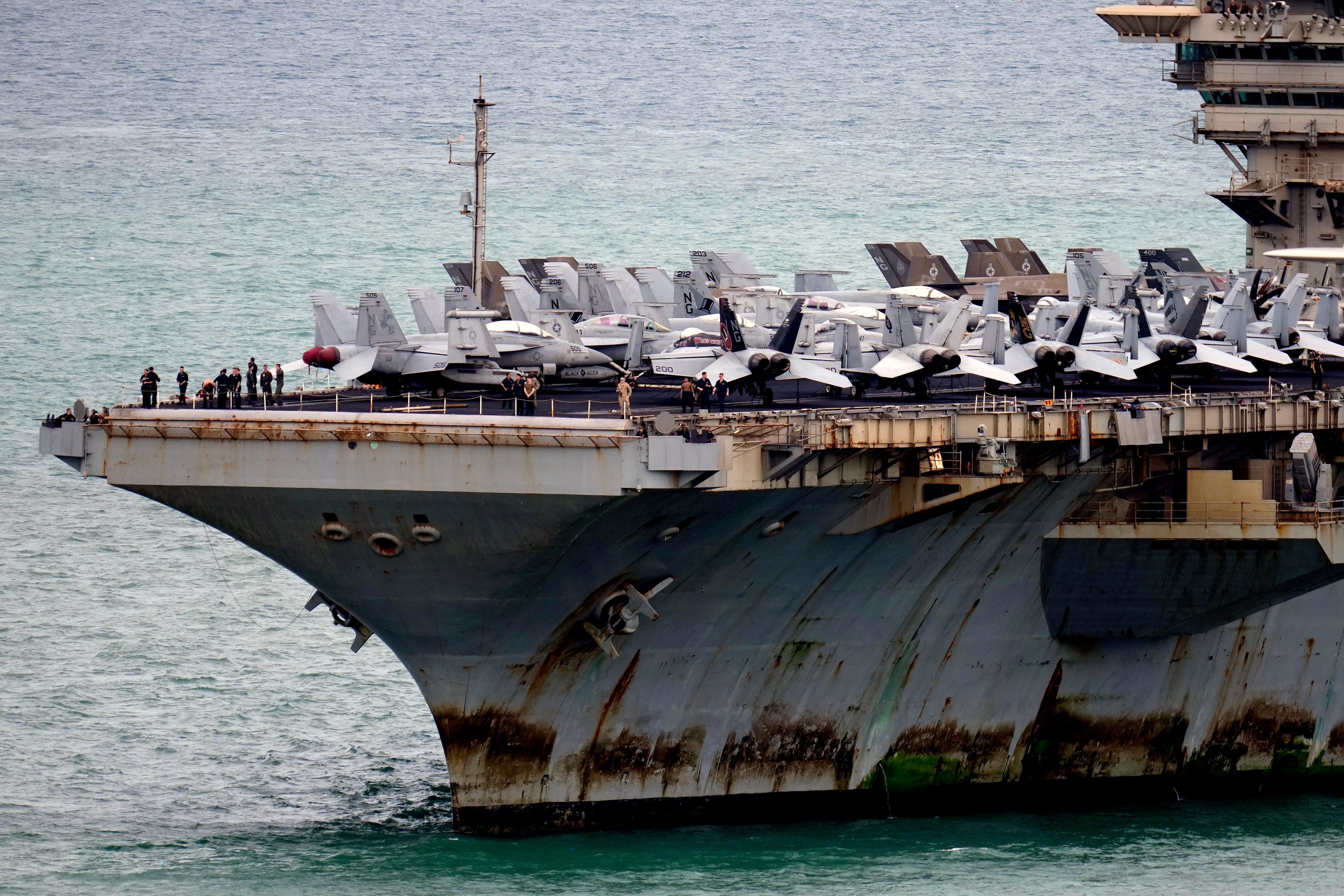
The United States carried out a fresh round of military strikes against Iran on Wednesday, escalating hostilities for a second consecutive night. The operation, announced by U.S. Central Command just after 4 p.m. EDT, came as no surprise: President Trump had earlier told reporters he would “probably” order such action following what the U.S. says were Iranian attacks on oil tankers in the strategic Strait of Hormuz.
“We’re going to hit them hard tonight,” Trump said, previewing the strikes that Centcom described as designed to “further degrade [Iran’s] ability to threaten freedom of navigation in the Strait of Hormuz.” The command added that the U.S. was “holding Iran accountable for recent unjustified aggression against commercial shipping and civilian crews.”
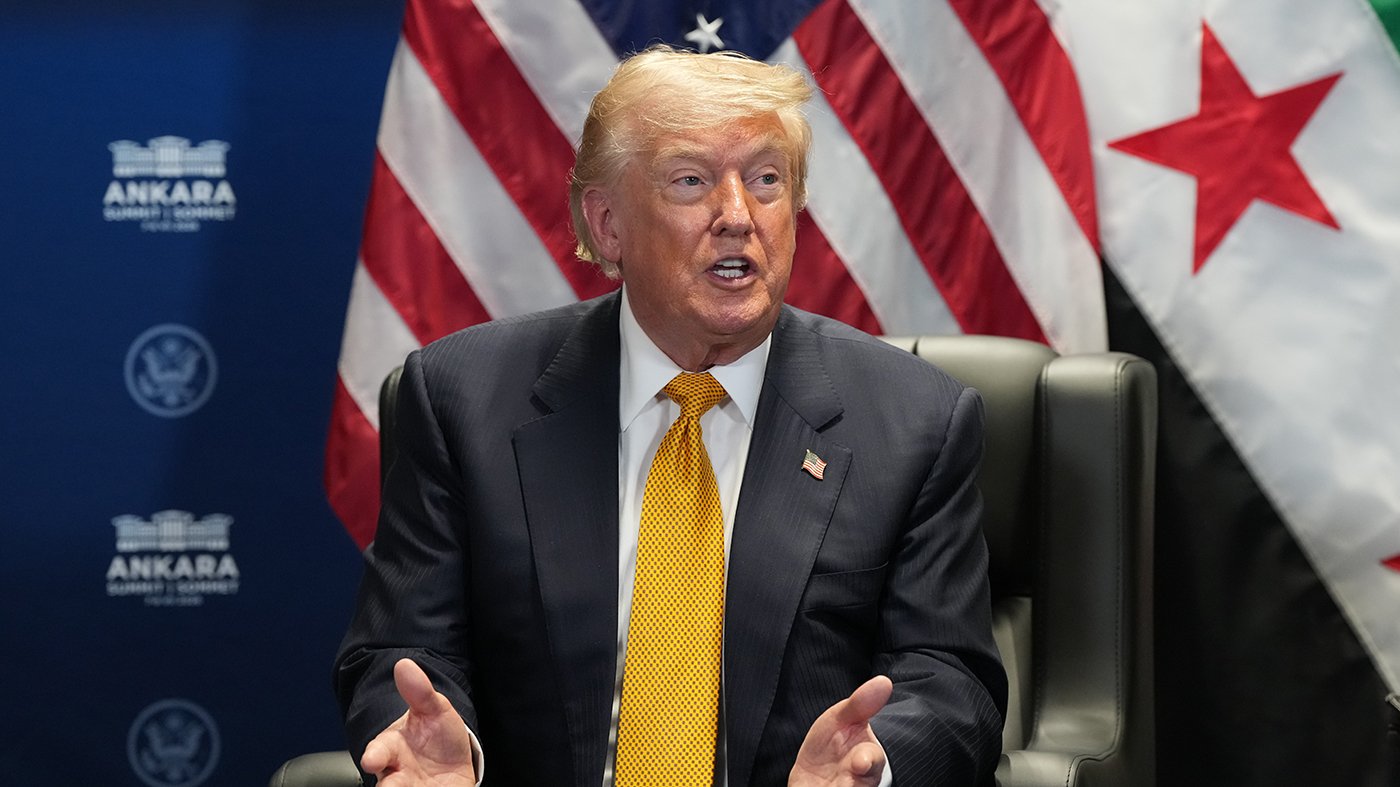
The key question now is whether this marks the start of a full-blown war or remains limited to punitive skirmishes. Trump has sent mixed signals, as he often does. At a NATO summit in Ankara, Turkey, he argued that Iran’s actions in the Strait had effectively killed the ceasefire formalized in a Memorandum of Understanding last month. “For me, I think it’s over,” the president said.
Trump also launched a blistering personal attack on Iran’s leadership, calling them “scum” and “cuckoo,” and suggesting they broke an informal agreement not to target Iranian leaders during the funeral of former Supreme Leader Ali Khamenei, who was killed in a U.S.-Israeli airstrike on Feb. 28. Khamenei’s son Mojtaba, reportedly injured in that strike, has succeeded him but has not been seen in public.
At a press conference before leaving Ankara, Trump appeared to dismiss the possibility of a comprehensive peace deal, saying, “I’m not sure I want to make a deal with them,” and musing he might “just finish the job.” But the cost of a full military victory would be enormous. Weeks of U.S. and Israeli bombing failed to force Iran to surrender, and Tehran’s de facto control of the Strait of Hormuz drove oil prices sharply higher, hitting American drivers at the pump.
Prices fell when the MOU was signed, but Wednesday’s strikes and Trump’s rhetoric sent West Texas Intermediate crude up more than 6 percent by 5 p.m. EDT. Trump’s aggressive posture at the NATO summit also included granting Ukraine a Patriot missile license, signaling a broader strategic shift.
At other points on Wednesday, Trump seemed to pull back from the brink of all-out war. He said, “I don’t think it’s going to start again… Anything that happens is going to be over very quickly and will only make it safer – including for oil.” He also indicated openness to further talks with Iran via emissaries Steve Witkoff and Jared Kushner.
Political pressures at home weigh against a return to war. The conflict has never been popular; polls show most Americans disapprove of Trump’s handling of it. Republican lawmakers are reluctant to put the war front and center with midterm elections less than four months away. Trump also faced criticism from both ends of the political spectrum: MAGA commentators like Tucker Carlson and Megyn Kelly accused him of being manipulated into the war by Israeli Prime Minister Benjamin Netanyahu, while hawks on the right complained the MOU was too weak.
The MOU itself left major issues unresolved, including the fate of Iran’s nuclear material, long-term shipping rules in the Strait, and Iran’s support for proxy groups. It did include provisions for peace in Lebanon, angering Netanyahu and his allies. Oil surged as Trump ended the Iran ceasefire, putting the Strait of Hormuz back in peril.
Iran shows no sign of backing down. Parliament Speaker Mohammad Bagher Ghalibaf accused the U.S. of “major” MOU violations, including reinstated sanctions, attacks on southern Iran, and “continued Zionist aggression.” He wrote on social media: “The era of bullying and extortion is over. It leads nowhere. We don’t fold.”
For Trump, the path forward remains unclear. Senate Majority Leader Chuck Schumer called the collapse of the Iran peace effort a “total, utter disaster,” reflecting the deep partisan divide over the administration’s strategy.