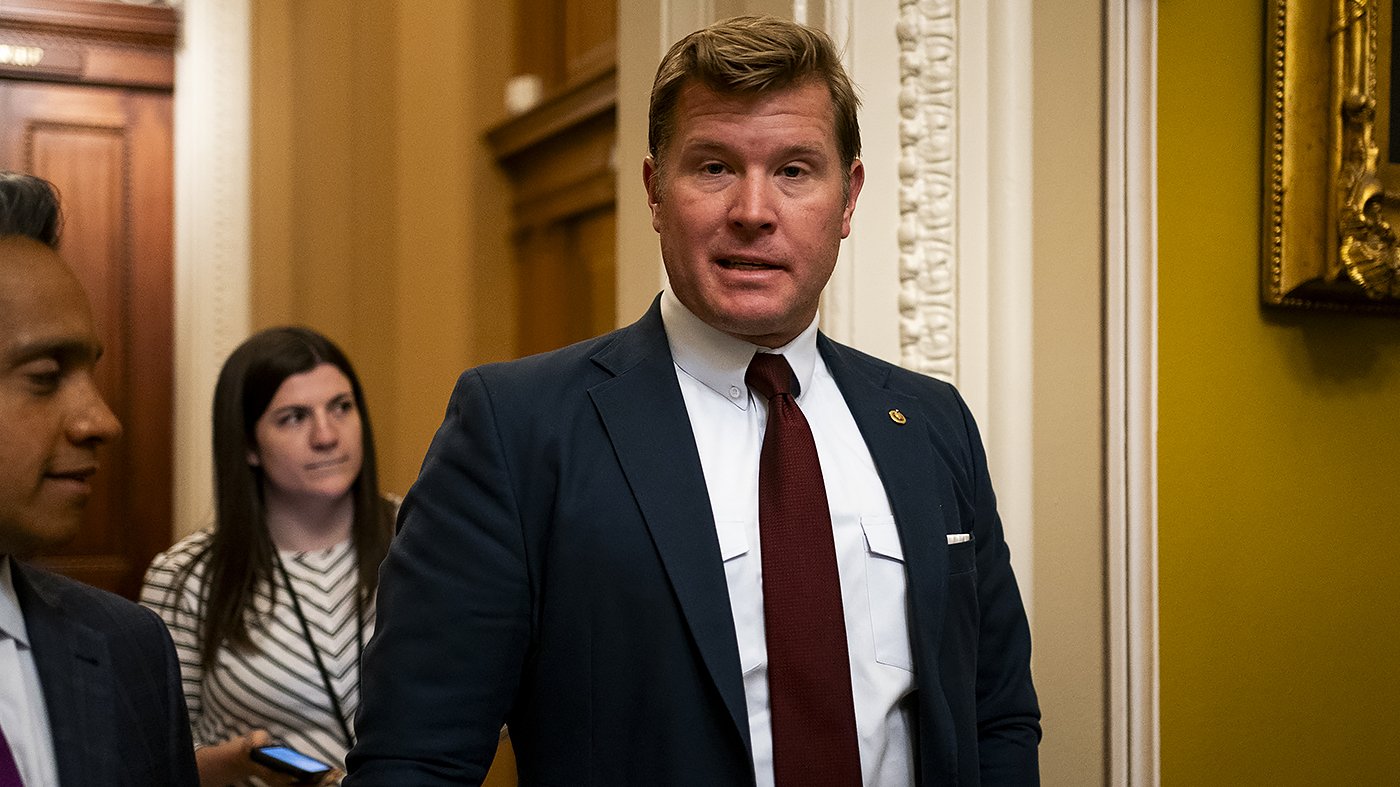
Senators Amy Klobuchar (D-Minn.) and Tim Sheehy (R-Mont.) are pushing a bipartisan bill that would let students tap federal financial aid to cover the cost of exams that turn work experience into college credit. The Credit for Prior Learning Act, introduced in late June, allows students to use up to $2,000 in federal aid for prior learning assessments—tests that grant academic credit for knowledge gained outside traditional classrooms, such as on the job.
“The point of federal aid is to help hardworking and deserving American students overcome financial barriers to further their education—it’s common sense that they should be able to use that aid towards fees associated with credit for prior learning,” Sheehy said in a statement.

Klobuchar, who has a track record of sponsoring bipartisan bills focused on non-traditional skills training, framed the legislation as a way to broaden access to degrees for more workers. “The bipartisan Credit for Prior Learning Act will ensure students receive credit for the experience and training they get outside of the classroom, so they can complete their degree faster and save on tuition,” she said.
The bill now sits before the Health, Education, Labor and Pensions Committee, though neither senator serves on that panel. Its introduction comes amid a broader shift in Congress and public opinion away from the traditional four-year degree as the sole path to a good job. Only about a quarter of Americans surveyed by Pew Research Center in 2024 said a bachelor’s degree is extremely or very important for landing a well-paying position, a drop driven by soaring tuition and student debt burdens.
Prior learning assessments are especially valuable for adults who enter college after years in the workforce; they can convert job skills into credits, speeding up degree completion and lowering costs. Research shows that adult students who earn such credits are far more likely to finish their degrees than those who don’t.
The push for alternative routes to employment has gained traction on both sides of the aisle, as evidenced by other recent legislative efforts. For example, a bipartisan deal on college sports reform remains in play, and the NCAA chief has warned against abandoning it. Meanwhile, a new federal tax-credit program aimed at empowering families through parental choice in education underscores the growing appetite for options beyond traditional schooling.
If enacted, the Credit for Prior Learning Act could help thousands of working adults shave time and money off their degree paths, potentially easing the financial strain that has made higher education a political flashpoint. The bill’s fate in committee remains uncertain, but its bipartisan backing signals that even in a polarized Congress, there is room for agreement on making college more accessible and affordable.