Just over three years ago, analysts concluded that Russia's defeat in Ukraine was a matter of when, not if. At that time, Ukrainian long-range drones were beginning to threaten targets inside Russia, and Kyiv's forces launched a cross-border incursion into the Belgorod region. Today, the situation has only worsened for Moscow.
Russian forces remain stalled along the front lines in the Donbas and southern Ukraine. Meanwhile, Ukrainian deep-strike operations against Russian oil and energy infrastructure are hammering the economy. The Russian military is losing roughly 30,000 troops per month.
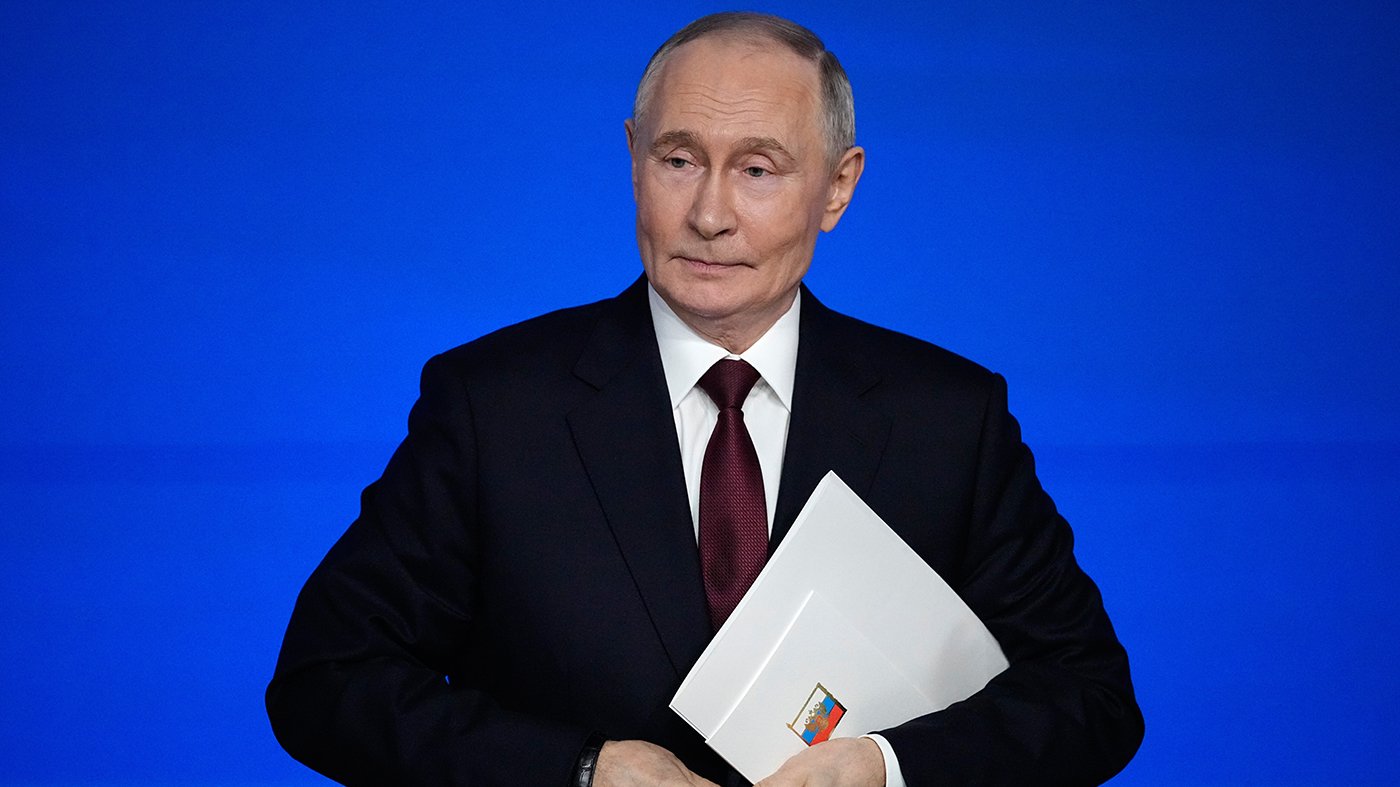
In response, President Vladimir Putin has again raised the prospect of using nuclear weapons. In May, the Russian Defense Ministry announced it had delivered nuclear munitions to storage sites in Belarus as part of military exercises. The message was aimed both at Kyiv and at NATO, signaling that Moscow is willing to escalate.
This is part of a broader hybrid campaign. Daniel Salisbury of the International Institute for Strategic Studies noted that “Russia is interested in manipulating nuclear risks to turn up the pressure on Western capitals.” The institute documented 144 incidents of drone activity near nuclear weapons and energy sites across Europe since late 2024, attributing them to Russia.
Moscow's shadow merchant fleet has been used to surveil NATO bases in the United Kingdom, including RAF Feltwell, RAF Fairford, and RAF Mildenhall. Mildenhall hosts U.S. aircraft capable of carrying nuclear gravity bombs. Similar drone sightings have occurred at Kleine-Brogel Air Base in Belgium and Volkel Air Base in the Netherlands. Five Russian drones were also detected near the launch site of France's sea-based nuclear missiles.
The campaign extends to civilian nuclear infrastructure. In November 2025, three drones were spotted over the Doel Nuclear Power Plant in Belgium. The goal, analysts say, is to create fear of a radiological incident, forcing Europe to back down on Ukraine.
This is not new. In August 2022, Russia turned the Zaporizhzhia Nuclear Power Plant into what some called a “Nuclear Force Z,” seizing the facility and then falsely accusing Ukraine of shelling it. That pattern is repeating: Putin uses the threat of nuclear disaster as a lever.
But as we argued in 2023, nuclear weapons are not a viable option for Putin. He knows NATO would respond. French President Emmanuel Macron reminded him in March 2024: “We are a nuclear power.” A direct nuclear strike would invite catastrophic retaliation.
Instead, Putin's nuclear posturing is a bluff—one that plays well domestically with ultra-nationalists calling for escalation. He may be willing to engineer a covert nuclear incident with plausible deniability, but even that is unlikely. The nuclear card is all he has left, short of calling for peace.
Expect more nuclear saber-rattling in the coming months. The West should call the bluff. As U.S. policy shifts—including recent approvals for Ukraine to co-produce Patriot interceptors—the stakes remain high. Putin's nuclear teddy bear may comfort him, but it won't win the war.