The fragile 60-day ceasefire between the United States and Iran collapsed overnight Thursday as both militaries continued exchanging strikes, with President Donald Trump declaring the interim agreement he signed in mid-June effectively dead.
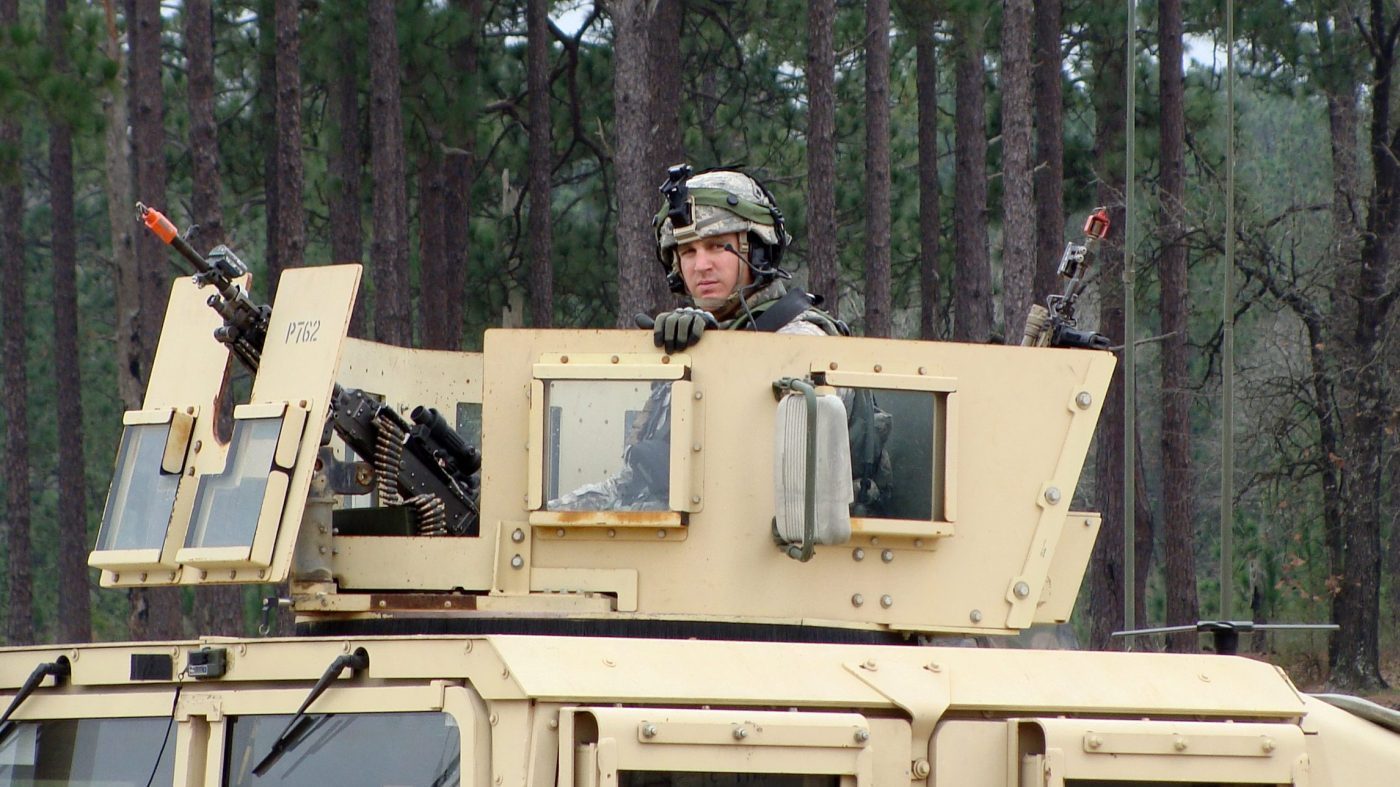
U.S. Central Command announced late Wednesday that American forces struck approximately 90 Iranian military sites, including air defense systems, missile and drone storage facilities, and naval assets. The operation followed a wave of roughly 80 US strikes on Tuesday, which were launched in response to Iranian attacks on three commercial vessels in the Strait of Hormuz.

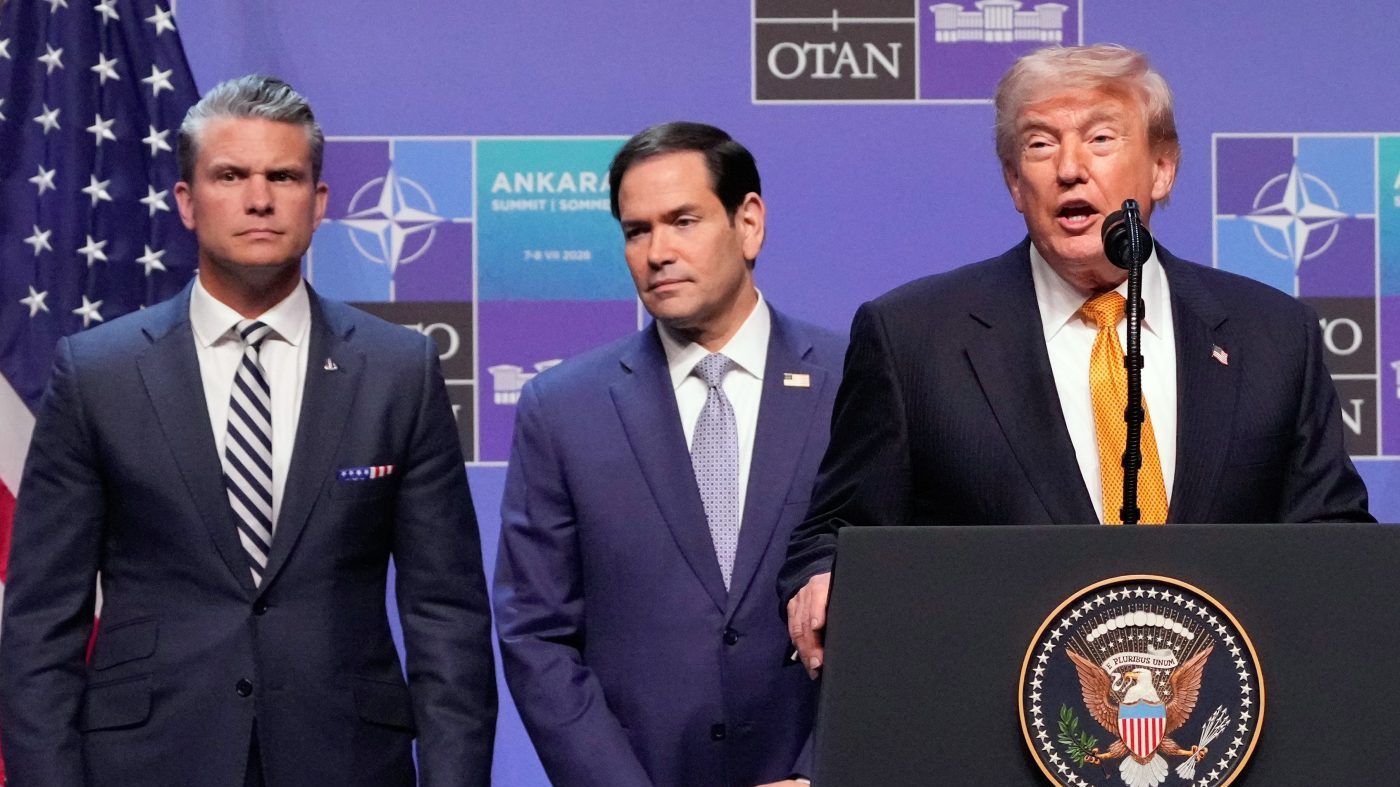
Speaking to reporters at the NATO summit in Ankara, Turkey, Trump said bluntly: “To me, I think it’s over. I don’t want to deal with them anymore. They’re scum.” The president’s remarks triggered a fresh surge in global oil prices, as markets braced for a prolonged confrontation in the vital waterway.
The military escalation has now drawn in neighboring Gulf states. Kuwait’s Ministry of Defense reported that Iranian forces launched 10 hostile drones, three ballistic missiles, and one cruise missile into Kuwaiti airspace early Thursday. Major General Saud Abdulaziz Al-Otaibi confirmed that debris caused material damage across the country and one injury, with the victim in stable condition.
Bahrain’s General Command of the Defense Forces also said its air defense systems “confronted, intercepted, and destroyed several treacherous Iranian aerial attacks” on Thursday morning. The strikes mark a significant widening of the conflict beyond direct US-Iran exchanges.
On board Air Force One early Thursday, Trump signaled that American strikes would continue unabated. “Every time they hit us, we’ll hit them 20,” he told reporters. When asked whether the country is returning to full-scale war with Tehran, the president was noncommittal but confident: “I don’t know. We’d win it very quickly.”
Iranian Parliament Speaker Mohammad Bagher Qalibaf, a key negotiator with Washington, fired back on social media platform X late Wednesday. “Washington still hasn’t learned that bullying and breaking promises with Iran come at a cost,” he wrote. “Let me put it plainly: if you strike, you’ll get hit. Don’t flail around pointlessly, or you’ll sink even deeper: the Strait of Hormuz will only open with ‘Iranian arrangements,’ not American threats.”
The collapse of the ceasefire threatens to upend the Senate’s agenda on defense bills, as lawmakers scramble to respond to the escalating crisis. Meanwhile, the Strait of Hormuz remains a flashpoint, with Iran’s warning that it controls passage through the strategic waterway adding to fears of supply disruptions.