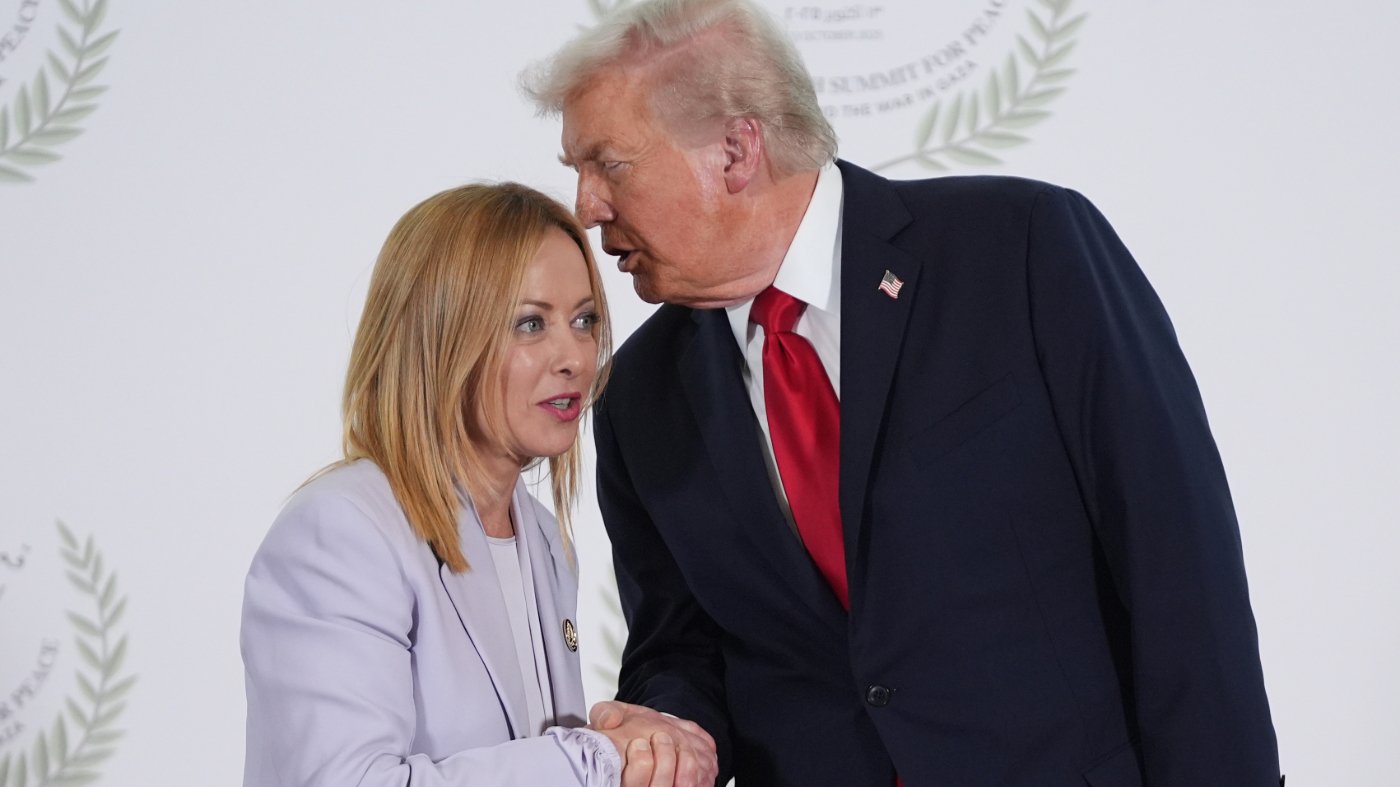
President Donald Trump's decision to publicly mock Italian Prime Minister Giorgia Meloni is not just a diplomatic gaffe—it's a strategic error that could undermine U.S. interests at a time when transatlantic relations are fraying, argues Jack Markell, the former U.S. ambassador to Italy under President Joe Biden.
Writing in a sharp critique, Markell—who served as ambassador from 2021 to 2025—warns that Trump is squandering a rare asset: a European leader who has consistently invested political capital in maintaining a productive relationship with him. Meloni, he notes, is among the most capable and politically shrewd leaders on the world stage today.

The controversy erupted after Trump claimed that Meloni had “begged” him for a photograph during the recent G7 summit. Meloni fired back, calling the story fabricated and expressing astonishment that the president would treat a close ally this way. Markell writes that while any self-respecting leader would push back, the real surprise is that Trump chose to target one of the few European leaders who has deliberately cultivated ties with him.
Meloni, often branded a right-wing populist, has governed as a pragmatist. She maintained a working relationship with Biden despite stark policy differences, while also building a strong rapport with Trump. This dual track has made her a valuable bridge between Washington and Europe, especially as tensions escalate over trade, Ukraine, Middle East stability, defense spending, and China.
Markell emphasizes that Meloni has repeatedly supported American policy even when it was unpopular at home—including on Ukraine and Israel. She has kept Italy committed to NATO and worked constructively with Brussels. For Trump, such a leader should be an ally worth cultivating, not alienating.
“Successful diplomacy requires more than just leverage; it requires relationships,” Markell writes. “Leaders who consistently humiliate their friends eventually discover they have none left when they need them most.”
The irony, he notes, is that Meloni frequently went out of her way to offer Trump opportunities that other European leaders denied him. While much of the continent chose confrontation or containment, she chose engagement, treating him as a democratic counterpart with whom Europe must cooperate. This approach wasn’t always easy domestically, but she persisted because she understood that strong ties with Washington serve Italy’s national interest.
Markell concludes that great powers succeed not just through military might or economic dominance, but by building robust networks of relationships. Meloni has been one of the most effective builders of those relationships across the Atlantic. Driving her away, he warns, may generate a day’s headlines but is a costly strategic blunder America cannot afford—especially as the U.S. faces escalating crises from Iran to trade disputes.