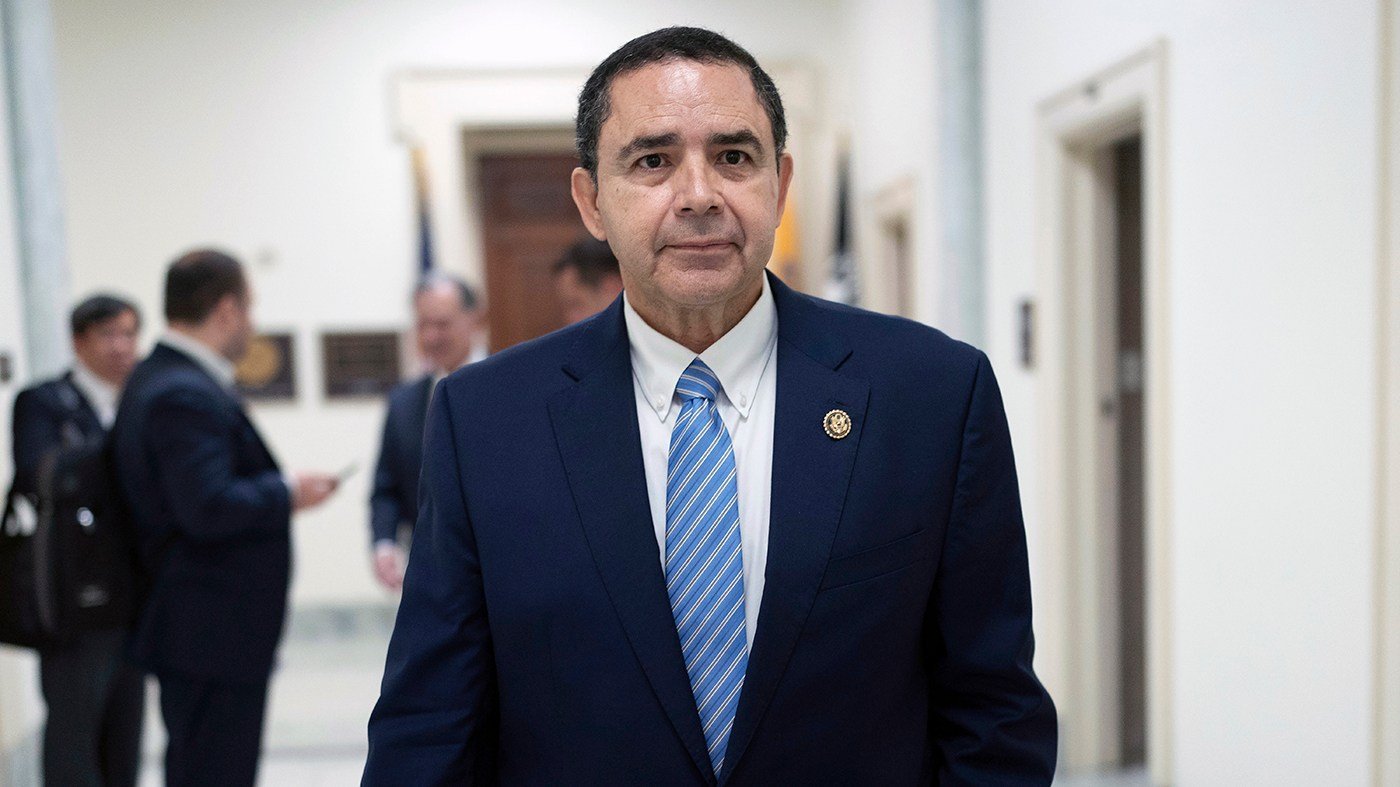
Former U.S. Olympic canoeist David Hearn entered a not guilty plea Thursday in D.C. Superior Court to a felony charge that he damaged the Lincoln Memorial Reflecting Pool, escalating a legal battle that his attorneys say is politically motivated.
Appearing before Judge Carmen McLean for arraignment, Hearn was released on a personal recognizance bond. The judge set a status hearing for August 5, allowing the case to proceed as prosecutors allege Hearn “forcefully and violently” tore up the pool's bottom liner, causing more than $1,000 in damage.
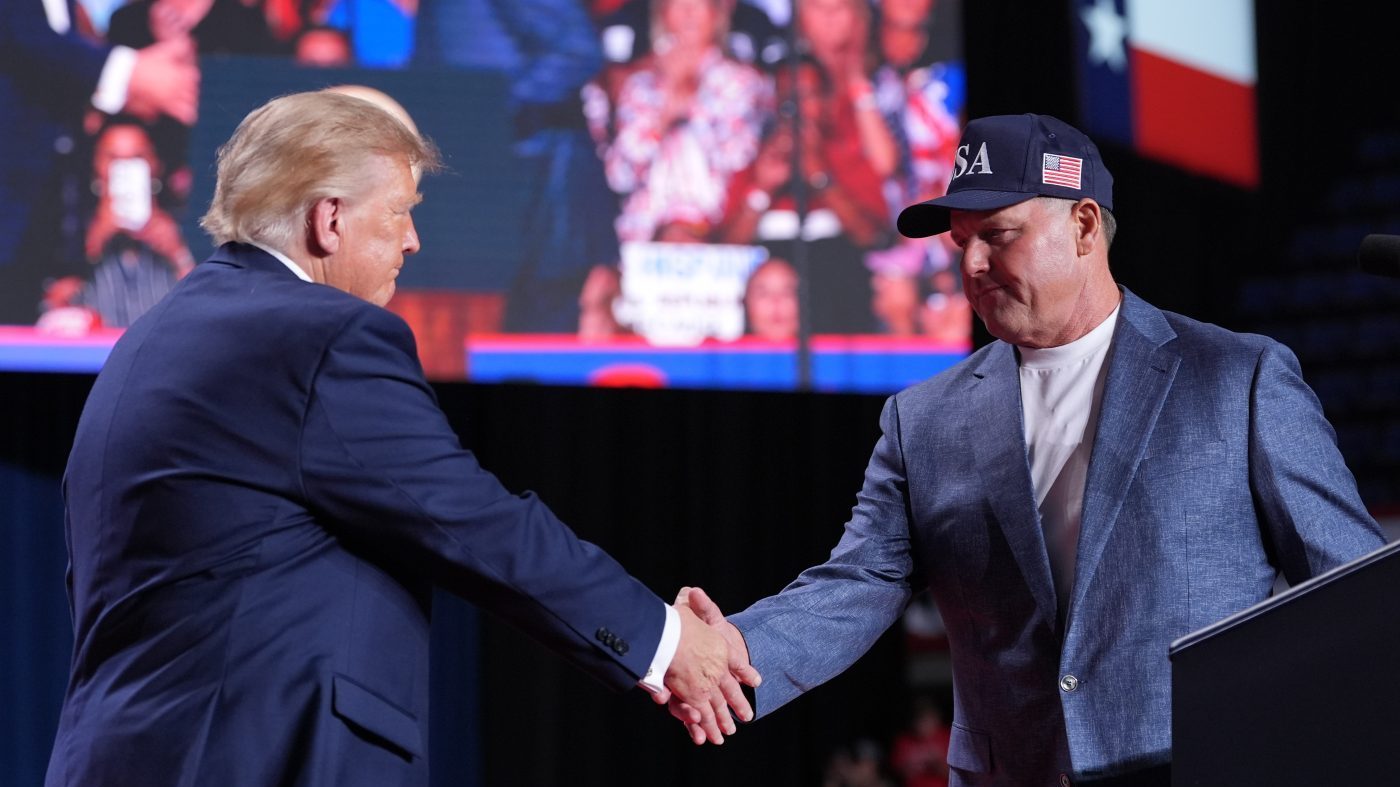
The three-time Olympian was indicted by a grand jury on July 2. He has consistently denied the allegations, telling The Washington Post after his arrest that he “didn’t vandalize anything.”
Hearn’s legal team—led by Norm Eisen and Mary Dohrmann—has turned the case into a political flashpoint. They accuse federal prosecutors of trying to “provide political cover” for the Trump administration after a troubled $14 million renovation of the landmark pool, which has left it plagued by green algae and peeling paint since June.
The case is part of a broader controversy. At least half a dozen individuals have been accused of vandalizing the pool, and some critics, including a Virginia Democrat, have pointed out that more arrests have been made for pool damage than for the Epstein case. Meanwhile, former prosecutor Jeanine Pirro is set to brief the press on the vandalism probe.
President Trump has ordered the pool drained following the algae outbreak and vandalism claims, and the administration has touted a $14.6 million fix that officials say has made it algae-free. But the ongoing legal actions have kept the site in the headlines.
Hearn’s case also echoes other high-profile political prosecutions. His attorneys have drawn parallels to the guilty plea of former Trump adviser John Bolton, arguing that the government is using the justice system to settle scores. Bolton pleaded guilty in a separate matter, and Trump has demanded a harsh sentence.
As the legal proceedings unfold, the pool remains a symbol of the administration’s management of national landmarks. The next court date will test whether Hearn can convince a jury that he is a scapegoat for a botched government project—or whether prosecutors can prove he deliberately damaged a cherished public symbol.